

Table of Contents
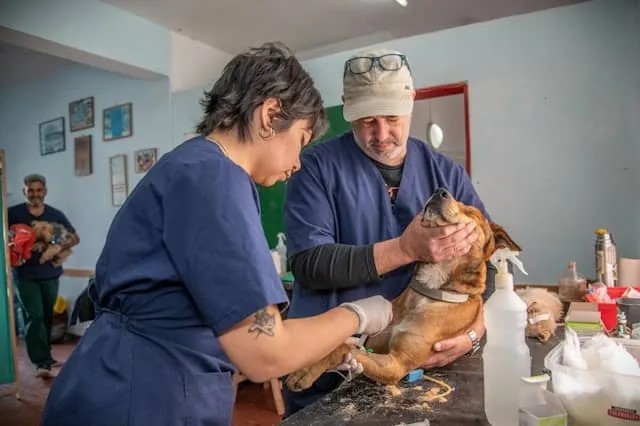
Keeping your pet healthy starts with prevention, and vaccinations play a vital role in that journey. A reliable vaccinations guide helps pet owners understand which vaccines are necessary, when they should be given, and how they protect pets from serious and often life-threatening diseases. From puppies and kittens to adult and senior pets, timely vaccinations strengthen the immune system and reduce the spread of contagious illnesses.
Whether you are a first-time pet parent or an experienced owner, following a proper vaccinations guide ensures your pet enjoys a longer, healthier, and safer life. In this article, we will break down everything you need to know about pet vaccinations, making it simple, clear, and easy to follow.
What Is a Vaccinations Guide and Why It Matters
A vaccinations guide is a clear roadmap that shows pet owners which vaccines their pets need, the correct age to receive them, and how often booster shots are required. Think of it as a health calendar for your pet, quietly working in the background to prevent dangerous diseases before they ever get a chance to appear.
Vaccines help protect pets from serious illnesses such as rabies, distemper, parvovirus, and feline viral infections. Following a trusted vaccinations guide also protects other animals and humans by reducing the spread of contagious diseases. This is especially important in shared spaces like parks, grooming centers, boarding facilities, and veterinary clinics.
Most importantly, a vaccinations guide removes guesswork. Instead of worrying about missed shots or unnecessary treatments, pet owners can make confident, informed decisions alongside their veterinarian. When followed correctly, it leads to fewer vet emergencies, lower long-term healthcare costs, and a healthier, happier life for your pet. 🐶🐱💙
Core Vaccines for Pets
These are commonly included in every dog vaccinations guide:
- Rabies Vaccine
Protects against rabies, a fatal disease transmissible to humans. Legally required in most US states. - Distemper Vaccine
Prevents canine distemper, a serious viral disease affecting the respiratory, digestive, and nervous systems. - Parvovirus Vaccine
Guards against canine parvo, especially dangerous for puppies and unvaccinated dogs. - Adenovirus (Hepatitis) Vaccine
Protects the liver and prevents infectious canine hepatitis.
👉 These are often combined into a DHPP vaccine for convenience and effectiveness.
Core Vaccines for Cats
Essential vaccines every cat should receive:
- Rabies Vaccine
Mandatory in many states and critical for both indoor and outdoor cats. - FVRCP Vaccine
A combination vaccine protecting against:- Feline Viral Rhinotracheitis
- Calicivirus
- Panleukopenia (feline distemper)
This combo is the backbone of any reliable cat vaccinations guide.
When Should Core Vaccines Be Given?
- Puppies & Kittens: Start as early as 6–8 weeks, followed by boosters
- Adult Pets: Booster shots every 1–3 years, depending on vaccine type and vet advice
Why Core Vaccines Matter
- Prevent deadly diseases before exposure
- Reduce costly emergency treatments
- Protect other pets and people
- Often required for boarding, travel, and grooming services
Healthy pets live happier, longer lives, and core vaccines make that possible 🐾
Non-Core (Optional) Vaccines
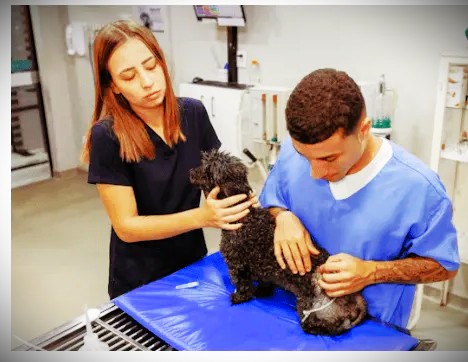
Non-core vaccines are the custom-fit layer of your vaccinations guide. They are not required for every pet, but they become very important based on lifestyle, environment, travel, and exposure risk. Think of these as tailored armor rather than a one-size shield.
Veterinarians usually recommend non-core vaccines after evaluating where your pet goes, who they meet, and how adventurous their daily routine is 🐕🐈
Non-Core Vaccines for Dogs
These vaccines are suggested depending on your dog’s lifestyle:
- Bordetella (Kennel Cough)
Recommended for dogs that visit boarding facilities, dog parks, groomers, or training classes. - Leptospirosis
Protects against a bacterial disease spread through contaminated water and wildlife urine. Also transmissible to humans. - Lyme Disease
Important for dogs living in or traveling to tick-heavy regions. - Canine Influenza (Dog Flu)
Advised for social dogs frequently exposed to other dogs. - Coronavirus (Canine)
Occasionally recommended in high-risk environments, though less common today.
Non-Core Vaccines for Cats
Optional vaccines based on exposure and living conditions:
- Feline Leukemia Virus (FeLV)
Strongly recommended for kittens, outdoor cats, and cats that live with other cats. - Feline Immunodeficiency Virus (FIV)
May be suggested for cats with outdoor access or aggressive behavior. - Chlamydia felis
Considered in multi-cat households or breeding environments. - Bordetella (Cats)
Recommended for cats in shelters or catteries.
How to Decide on Non-Core Vaccines
Your vet may consider:
- Indoor vs outdoor lifestyle
- Travel and boarding needs
- Exposure to other animals
- Local disease risks
- Age and overall health
There is no universal checklist here. A smart vaccinations guide adapts to the pet, not the other way around.
EXTRA- YOU CAN READ ABOUT Preventing common diseases VISIT MY BLOG
Vaccination Schedule by Age
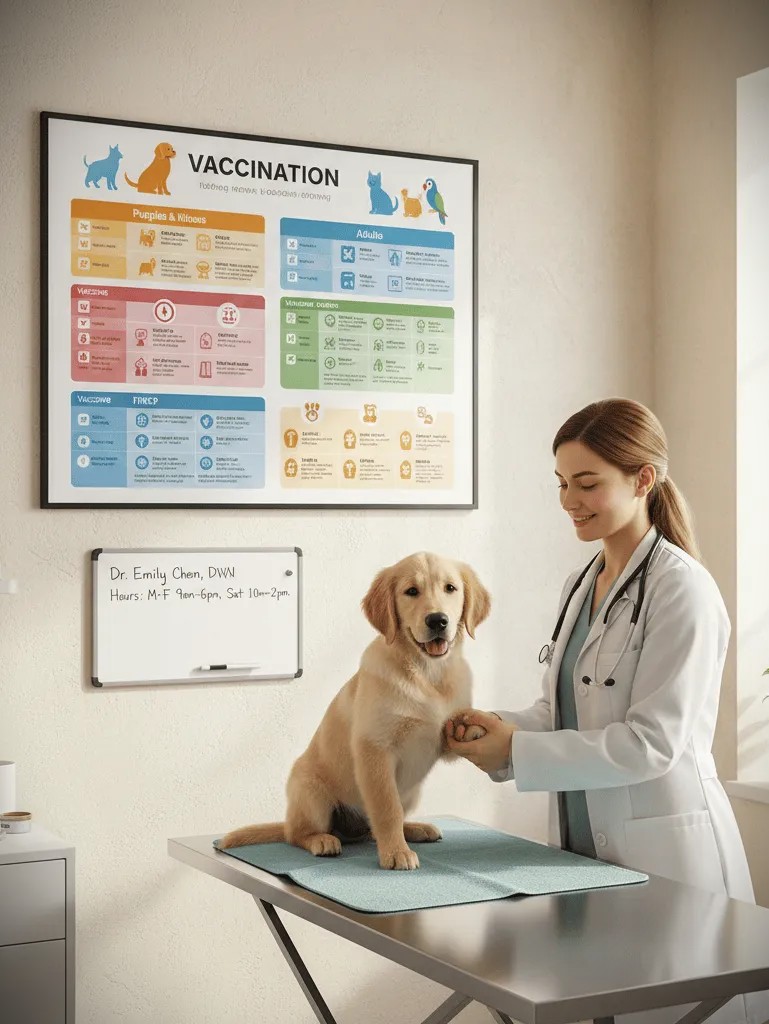
A well-planned vaccinations guide follows your pet’s age like a calendar with purpose. Too early and protection fades. Too late and risk sneaks in. Below is a clear, vet-approved roadmap for puppies, kittens, and adult pets
🐾
Puppy Vaccination Schedule (Birth – 16 Weeks)
Puppies rely on early vaccines to build immunity as maternal antibodies fade.
6–8 Weeks
- DHPP (Distemper, Hepatitis, Parvovirus, Parainfluenza)
10–12 Weeks
- DHPP (2nd dose)
- Leptospirosis (if recommended)
- Bordetella (optional, lifestyle-based)
14–16 Weeks
- DHPP (final booster)
- Rabies (legally required in many regions)
Optional Based on Risk
- Lyme disease
- Canine influenza
Kitten Vaccination Schedule (6 – 16 Weeks)
Kittens need protection early, especially in multi-cat environments.
6–8 Weeks
- FVRCP (Feline Viral Rhinotracheitis, Calicivirus, Panleukopenia)
10–12 Weeks
- FVRCP (2nd dose)
- FeLV (Feline Leukemia Virus, if recommended)
14–16 Weeks
- FVRCP (final booster)
- Rabies
- FeLV (2nd dose if started earlier)
Adult Dog Vaccination Schedule
After the puppy series, immunity maintenance becomes the goal.
Annually or Every 3 Years
- DHPP (based on vet guidance)
- Rabies (as required by law)
Lifestyle-Based Boosters
- Bordetella
- Leptospirosis
- Lyme disease
- Canine influenza
Adult Cat Vaccination Schedule
Adult cats require fewer vaccines, but consistency still matters.
Every 1–3 Years
- FVRCP
- Rabies
Optional / Risk-Based
- FeLV (outdoor cats or multi-cat homes)
- Bordetella
Senior Pets (7+ Years)
Senior pets may need:
- Fewer vaccines
- Longer intervals
- Health screening before boosters
Your vet may tailor the vaccinations guide to reduce stress while maintaining protection.
Are Vaccines Safe for Pets?
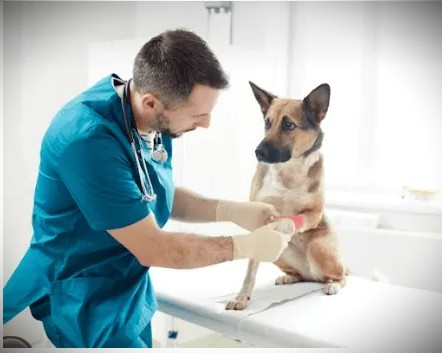
Short answer: yes, vaccines are safe for pets, and they are one of the strongest shields we have against serious, life-threatening diseases 🛡️🐾
Long answer: safety comes from testing, timing, and tailoring.
Why Pet Vaccines Are Considered Safe
Pet vaccines go through strict testing and regulation before approval. Veterinarians follow evidence-based vaccination protocols designed to:
- Prevent deadly and highly contagious diseases
- Reduce disease outbreaks in pet communities
- Protect vulnerable pets like puppies, kittens, and seniors
Most pets receive vaccines without any complications and gain long-term immunity.
Common Mild Side Effects (Normal & Temporary)
Some pets may show mild reactions within 24–48 hours. These are signs the immune system is doing its job.
- Slight fever
- Low energy or sleepiness
- Mild swelling at the injection site
- Reduced appetite for a day
These symptoms usually disappear on their own.
Rare but Serious Reactions (Know the Signs)
Severe reactions are very uncommon, but it’s important to recognize them early.
🚨 Contact a vet immediately if you notice:
- Facial swelling
- Vomiting or diarrhea
- Difficulty breathing
- Collapse or extreme weakness
Veterinary clinics are prepared to handle these reactions quickly.
How Vets Keep Vaccinations Safe
Veterinarians don’t follow a one-size-fits-all approach. They consider:
- Age and breed
- Overall health
- Lifestyle (indoor vs outdoor)
- Local disease risks
This personalized vaccinations guide reduces unnecessary shots while maintaining protection.
Vaccines vs Disease Risk
Choosing not to vaccinate exposes pets to diseases that can cause:
- Organ failure
- Long-term health damage
- High treatment costs
- Death
Compared to these risks, vaccine side effects are minimal and manageable.
Special Considerations
- Puppies & kittens: Need vaccines early due to weak immunity
- Senior pets: May require adjusted schedules
- Immunocompromised pets: Vaccination plans should be customized
Always discuss concerns openly with your veterinarian.
Common Vaccination Mistakes to Avoid
Vaccines work best when done right. Small mistakes can weaken protection or even put your pet at risk. Here are the most common pitfalls pet owners should steer clear of in any vaccinations guide 🐾
1. Skipping Vaccines Because Your Pet “Stays Indoors”
Indoor pets are not risk-free.
- Diseases can enter through humans, shoes, or visiting animals
- Rabies vaccination is legally required in many areas
- Emergencies or boarding may suddenly expose pets
Indoor life ≠ zero exposure.
2. Missing Booster Shots
Vaccines are not magic spells that last forever.
- Many require boosters to maintain immunity
- Skipping boosters leaves protection incomplete
- Puppies and kittens are especially vulnerable
Set reminders and stick to the schedule.
3. Over-Vaccinating Without Vet Guidance
More is not always better.
- Some vaccines are not needed yearly
- Lifestyle and location matter
- A tailored plan reduces unnecessary shots
Always follow a veterinarian-designed vaccination plan.
4. Vaccinating a Sick Pet
Vaccines should be given only when pets are healthy.
- Illness can weaken immune response
- Side effects may appear stronger
- Recovery should come first
If your pet seems unwell, reschedule.
5. Using Non-Professional or DIY Vaccines
Store-bought or unverified vaccines can be dangerous.
- Incorrect storage reduces effectiveness
- Wrong dosage increases risks
- No emergency care if reactions occur
Vaccination should always be done by a licensed vet.
6. Ignoring Breed or Size Sensitivities
Some breeds may react differently.
- Small breeds may need adjusted doses
- Certain breeds are more sensitive to vaccines
- Past reactions should always be reported
History matters in safe vaccination.
7. Not Monitoring After Vaccination
The first 24 hours are important.
- Mild symptoms are normal
- Severe reactions need immediate care
- Early action can save lives
Keep an eye on your pet post-vaccine.
you can read more about Common Vaccination Mistakes to Avoid by visit this site
When to Talk to Your Veterinarian About Vaccines
Your veterinarian is the compass in your pet’s vaccination journey. Knowing when to start that conversation can prevent illness, avoid unnecessary shots, and keep your pet protected at every life stage 🩺🐾
1. When You Get a New Pet
The first vet visit sets the foundation.
- Puppies and kittens need a vaccination plan right away
- Rescue pets may have unknown vaccine histories
- Early guidance prevents dangerous gaps in protection
This is the best time to build a personalized vaccinations guide.
2. Before Starting or Changing a Vaccination Schedule
Not all pets need the same routine.
- Lifestyle changes like travel, boarding, or daycare
- Moving to a new state or region
- Switching from indoor to outdoor life
Your vet can adjust vaccines based on real risks.
3. If Your Pet Missed or Delayed Vaccines
Life happens. Protection can pause.
- Missed boosters may reduce immunity
- Some vaccines need restarting
- Timing matters more than guessing
A vet can safely get your pet back on track.
4. When Your Pet Has Health Issues
Medical conditions change vaccine needs.
- Chronic illness
- Immune system disorders
- Pregnancy or senior age
Your veterinarian will balance safety and protection.
5. After Any Vaccine Reaction
Even mild reactions matter.
- Swelling, vomiting, or lethargy
- Allergic responses
- Behavioral changes
Reporting reactions helps prevent future risks.
6. During Annual or Wellness Checkups
These visits are more than routine.
- Review which vaccines are still needed
- Discuss titer testing options
- Update records for legal or travel needs
Prevention works best when reviewed regularly.
7. If You Feel Unsure or Confused
No question is too small.
- Internet advice can be misleading
- Every pet is different
- Confidence comes from expert guidance
Your vet is your partner, not just a service.
Conclusion & Call-to-Action
Vaccinations are a cornerstone of your pet’s health. A proper vaccinations guide ensures your dog or cat is protected against life-threatening diseases, reduces vet emergencies, and supports a long, happy life. From core vaccines to lifestyle-based optional shots, understanding what, when, and why helps you make informed decisions and keeps your furry companion safe. 🐶🐱💉
Take Action Today:
- Schedule a consultation with your veterinarian to review or create a tailored vaccination plan.
- Keep a record of all vaccines and booster dates to stay on track.
- Stay informed about your pet’s needs as they grow, travel, or encounter new environments.
Remember, proactive vaccination is love in action—protect your pet, protect your family, and enjoy worry-free companionship!