
Table of Contents

Pets are beloved members of our families, and keeping them safe is a top priority. While many owners enjoy sharing small bites of human food with their dogs or cats, some everyday foods can be extremely toxic and even life-threatening. Understanding which toxic foods to avoid is essential for preventing serious health issues and emergencies.
From chocolate and grapes to onions, xylitol, and fatty leftovers, the wrong foods can cause digestive problems, neurological issues, or organ failure. Unfortunately, some pet owners are unaware of these hidden dangers, which can lead to accidental poisoning.
In this guide, we’ll explore the most common toxic foods to avoid, symptoms of ingestion, and practical tips to prevent accidental exposure. By the end, you’ll have the knowledge to feed your pets safely and protect their health every day.
Most Common Toxic Foods to Avoid for Dogs and Cats
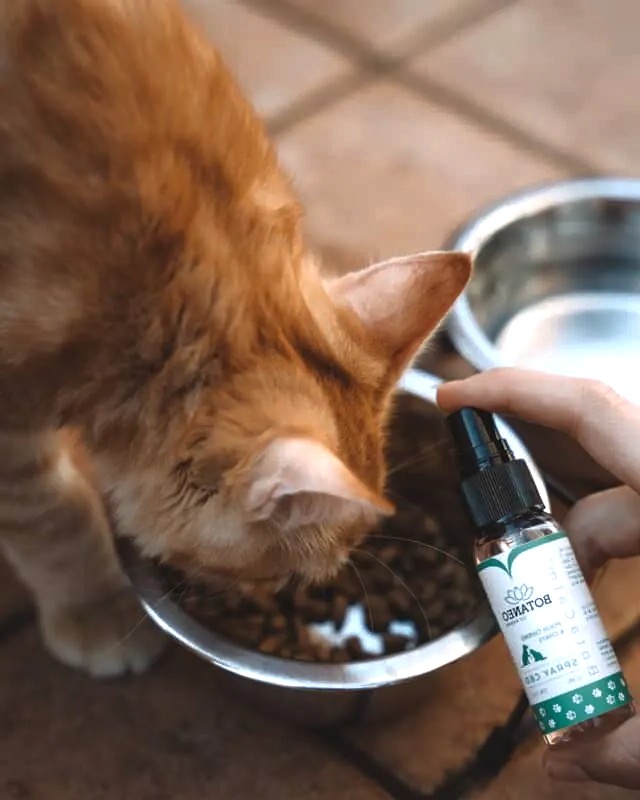
Knowing which foods are dangerous can save your pet’s life. Some human foods that seem harmless can cause serious harm to dogs and cats, even in small amounts. Here’s a detailed breakdown of the most common toxic foods to avoid:
Chocolate and Caffeine
Chocolate contains theobromine, a compound highly toxic to dogs and cats. Even small amounts can lead to vomiting, diarrhea, rapid heart rate, tremors, or seizures. Coffee, tea, and other caffeinated drinks pose similar risks.
Tip: Never give your pets chocolate treats, baked goods, or coffee-related products.
Grapes, Raisins, and Other Grapevine Products
Grapes and raisins can cause acute kidney failure, especially in dogs. Even a few pieces can trigger vomiting, lethargy, and severe dehydration.
Tip: Keep grapes, raisins, and grape-based products completely out of reach.
Onions, Garlic, Leeks, and Chives
These vegetables can damage red blood cells, leading to anemia in both dogs and cats. Effects may be delayed, so early signs like weakness or pale gums should never be ignored.
Tip: Avoid feeding pets soups, sauces, or meals containing these ingredients.
Xylitol and Artificial Sweeteners
Xylitol, found in sugar-free gum, candies, baked goods, and some peanut butter, is extremely toxic to dogs. It can cause sudden hypoglycemia (dangerously low blood sugar) and even liver failure.
Tip: Check labels carefully and never share sugar-free products.
Alcohol, Raw Dough, and Other Hazardous Foods
Alcohol, raw bread dough, or foods containing yeast can ferment in a pet’s stomach, producing ethanol and gas. This can lead to alcohol poisoning, bloating, or severe digestive distress.
Tip: Never allow pets access to alcoholic drinks or raw dough, even in small amounts.
Household Foods That Can Be Toxic
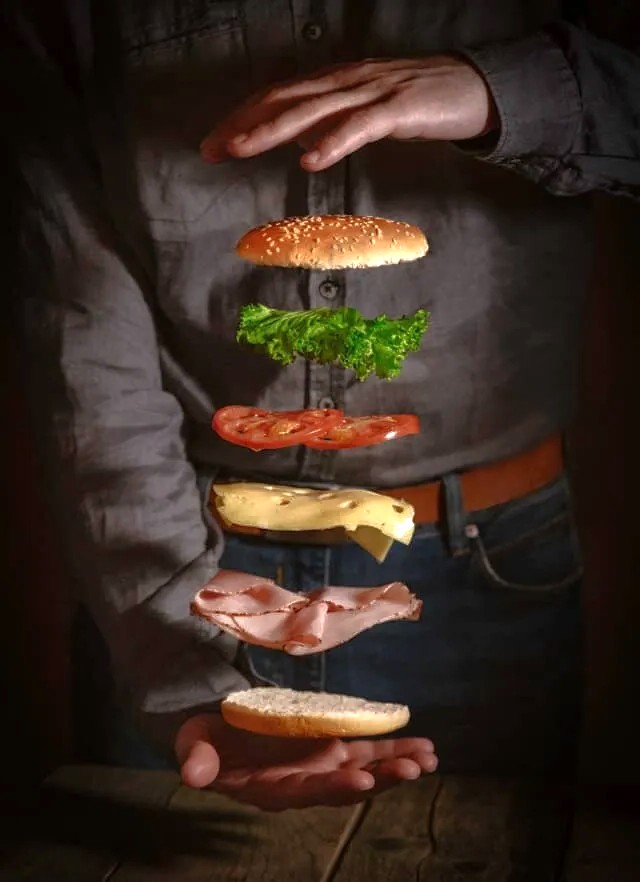
Even foods that seem safe or healthy for humans can be harmful to pets. Many accidents happen because owners assume that anything edible is safe for dogs and cats. Here’s a guide to household foods that can be toxic and should be avoided in your home.
Dairy Products
Many dogs and cats are lactose intolerant, meaning they cannot properly digest milk, cheese, or cream. Feeding dairy can cause diarrhea, stomach cramps, and vomiting.
Tip: Only offer lactose-free options or specially formulated pet dairy treats.
Fatty or Processed Foods
Leftovers like fried meats, bacon, or fast food may be high in fat, salt, and preservatives. Consuming these can lead to pancreatitis, obesity, and digestive upset.
Tip: Keep human snacks, fried foods, and processed meats away from pets’ reach.
Salt, Spices, and Seasoned Foods
High sodium levels can cause dehydration, kidney issues, or sodium ion poisoning. Seasonings like garlic powder, onion powder, and spicy sauces can also irritate the digestive system.
Tip: Avoid feeding pets table scraps that are heavily seasoned or salted.
Certain Nuts (Macadamia, Walnuts)
Macadamia nuts are toxic to dogs, causing weakness, tremors, and hyperthermia. Walnuts can be contaminated with mold producing toxins harmful to pets.
Tip: Never feed your pet nuts or baked goods containing nuts unless confirmed safe for their species.
Raw Meat, Eggs, and Fish
Raw diets can pose risks of bacterial contamination (Salmonella, E. coli) and nutrient imbalances. Raw fish may also contain parasites that are harmful to pets.
Tip: Cook proteins thoroughly and follow vet-approved recipes if feeding raw is necessary.
Fruits and Vegetables That Can Be Harmful
- Avocado: Contains persin, which can cause vomiting and diarrhea.
- Tomato leaves and stems: Toxic to pets in large quantities.
- Rhubarb: Can cause kidney damage.
Tip: Only feed pet-safe fruits and vegetables in moderation.
By avoiding these common household toxic foods, you reduce the risk of accidental poisoning and keep your pets healthy and happy.
EXTRA- YOU CAN READ ABOUT Home made pet food recipes BY VISIT MY BLOG
Symptoms of Toxic Food Consumption

Even small amounts of toxic foods can affect pets quickly. Recognizing the early signs of poisoning can help you act fast and prevent serious harm. Symptoms vary depending on the food ingested, the pet’s size, and species (dog or cat).
Digestive Symptoms
- Vomiting or retching
- Diarrhea or soft stools
- Loss of appetite
- Excessive drooling
These are often the first signs that something is wrong and can appear within a few hours of ingestion.
Neurological Signs
- Tremors or shaking
- Seizures or convulsions
- Disorientation or confusion
- Lethargy or weakness
Neurological symptoms usually indicate more severe toxicity and require immediate attention.
Cardiovascular Symptoms
- Rapid or irregular heartbeat
- Low or high blood pressure
- Collapse or fainting
Foods like chocolate, caffeine, and xylitol can impact the heart and circulation.
Emergency Situations
Seek veterinary care immediately if your pet shows any of the following after consuming a potentially toxic food:
- Persistent vomiting or diarrhea
- Difficulty breathing
- Seizures or uncontrolled tremors
- Loss of consciousness
Tip: Bring information about the food ingested, approximate quantity, and time of ingestion to the vet. This helps the veterinarian provide the best treatment quickly.
Recognizing these symptoms early can save your pet’s life and reduce the risk of long-term health complications.
you can read more about Symptoms of Toxic Food Consumption by visit this site
Tips to Prevent Accidental Feeding of Toxic Foods
Prevention is the best way to keep your pets safe from harmful foods. By implementing simple strategies, you can significantly reduce the risk of accidental poisoning. Here are practical tips every pet owner should follow:
Safe Storage Practices
- Store all chocolate, grapes, raisins, nuts, and other toxic foods in high cabinets or locked pantries.
- Keep trash bins covered or inaccessible to pets to prevent scavenging.
- Avoid leaving human snacks on counters or tables, even for a short time.
Educating Family Members and Guests
- Make sure everyone in the household knows which foods are toxic to dogs and cats.
- Warn guests not to feed pets table scraps or human treats without permission.
- Place visual reminders (like a small note on the fridge) listing toxic foods to avoid.
Use Pet-Safe Treats and Alternatives
- Replace harmful human foods with vet-approved pet treats.
- Offer safe fruits and vegetables like carrots, blueberries, or apple slices (without seeds).
- Homemade or commercially available pet snacks can satisfy cravings without the risks.
Supervision During Meals
- Keep pets away from human eating areas.
- Do not leave unattended dishes, especially those containing toxic ingredients.
- Train pets to wait patiently for their meals rather than scavenging.
Emergency Preparedness
- Keep the ASPCA Animal Poison Control number handy: 1-888-426-4435 (USA).
- Know the location of your nearest emergency vet clinic.
- Learn to identify early signs of poisoning to act quickly if an accident occurs.
By following these tips, you create a safe environment that prevents accidental ingestion of toxic foods and ensures your pets remain healthy and happy.
Conclusion & Call-to-Action
Keeping your pets safe from harmful foods is a crucial part of responsible pet ownership. Understanding which toxic foods to avoid, recognizing early symptoms of ingestion, and taking preventive measures can prevent emergencies and protect your furry friends from serious illness.
By storing hazardous foods securely, educating family members, offering safe alternatives, and monitoring your pets’ meals, you can create a safe and healthy home environment. Knowledge is your best tool—prevention is always better than treatment.
Call-to-Action
- Share this guide with fellow pet owners to spread awareness about toxic foods.
- Check your pantry and fridge today for items that could be dangerous to your pets.
- Consult your veterinarian if you suspect your pet has eaten something toxic or before introducing new human foods.
- Keep your pets happy and healthy by always making informed choices about what they eat. 🐾