


Table of Contents
Dogs communicate through their behavior, but when those actions become excessive or disruptive, many owners feel confused or frustrated. Barking too much, chewing furniture, jumping on people, or showing aggression are some of the common dog behavior problems that can affect daily life. The good news is that most of these behaviors are not signs of a “bad dog,” but rather signals of unmet needs, lack of training, or stress. Understanding why these problems happen is the first step toward fixing them. In this guide, we’ll break down the most common dog behavior problems and how to fix them using practical, vet-backed, and owner-friendly solutions that actually work
Common Dog Behavior Problems and Why They Happen

Dog behavior problems rarely appear without a reason. In most cases, these behaviors are your dog’s way of communicating stress, boredom, fear, or confusion. Understanding the root cause is essential before trying to correct the behavior.
One of the most common reasons behind behavior problems is lack of physical and mental stimulation. Dogs that do not get enough exercise or playtime often release their pent-up energy through barking, chewing, or digging. Similarly, boredom can lead to destructive habits, especially in intelligent or high-energy breeds.
Another major cause is inconsistent training or unclear rules. When dogs receive mixed signals, such as being allowed to jump sometimes but punished at other times, they become confused and repeat unwanted behaviors. Fear and anxiety also play a big role. Loud noises, unfamiliar people, or past negative experiences can trigger behaviors like aggression, excessive barking, or hiding.
In some cases, underlying health issues contribute to sudden behavior changes. Pain, hormonal imbalances, or medical conditions can cause irritability or unusual reactions. This is why sudden or severe behavior problems should never be ignored.
By identifying why these behavior problems happen, dog owners can choose the right solutions instead of relying on punishment. Addressing the cause leads to better results, a calmer dog, and a stronger bond between you and your pet.
Excessive Barking
Excessive barking is one of the most common dog behavior problems and can quickly become frustrating for owners and neighbors. Dogs bark for many reasons, including attention-seeking, boredom, fear, territorial behavior, or excitement. Barking itself is natural, but it becomes a problem when it is constant or uncontrollable.
Dogs that are left alone for long periods or do not get enough exercise often bark to release built-up energy. Some dogs bark when they hear noises, see strangers, or feel threatened, while others bark simply because barking has worked in the past to get attention.
How to Fix Excessive Barking:
- Make sure your dog gets enough daily exercise and mental stimulation
- Avoid rewarding barking with attention, even negative attention
- Teach quiet commands using positive reinforcement
- Reduce triggers by closing curtains or providing background noise
- Reward calm behavior consistently
If excessive barking continues despite training and lifestyle changes, it may be linked to anxiety or fear. In such cases, consulting a vet or professional trainer can help identify the underlying cause and create a tailored solution.you can read more about Excessive Barking
Chewing and Destructive Behavior

Chewing is a natural behavior for dogs, but when it turns into destroying furniture, shoes, or household items, it becomes a serious problem. This behavior is most common in puppies, high-energy dogs, and dogs left alone for long periods.
Dogs often chew due to teething, boredom, anxiety, or lack of exercise. Puppies chew to relieve gum discomfort, while adult dogs may chew to release stress or burn excess energy. In some cases, destructive chewing is linked to separation anxiety, especially when it happens only when the owner is away.
How to Fix Chewing and Destructive Behavior:
- Provide safe and durable chew toys
- Increase daily exercise and playtime
- Keep tempting items out of reach
- Use crate training appropriately when needed
- Praise and reward your dog for chewing the right items
Avoid punishment after the damage is done, as dogs won’t understand the connection. Instead, focus on prevention, redirection, and consistency. When chewing is managed correctly, your dog learns healthy habits and your home stays intact.
Aggression Toward People or Other Dogs

Aggression is one of the most serious dog behavior problems and should never be ignored. It can appear as growling, snapping, lunging, or biting, and is often a response to fear, stress, territorial instincts, or poor socialization. In some cases, aggression develops due to past trauma or underlying medical issues.
Dogs may show aggression toward people or other dogs when they feel threatened, overwhelmed, or unable to escape a situation. Lack of early socialization, inconsistent training, and guarding behavior around food or toys can also contribute to aggressive responses.
How to Handle Aggression Safely:
- Avoid punishment, which can increase fear and worsen aggression
- Identify and manage triggers that cause aggressive reactions
- Use positive reinforcement to reward calm behavior
- Ensure proper socialization in controlled environments
- Keep your dog and others safe by using leashes or barriers when needed
Because aggression can pose a safety risk, it’s important to seek professional help if the behavior persists or escalates. A veterinarian can rule out medical causes, and a certified trainer or behaviorist can create a structured plan to address the issue safely and effectively.
How to Fix Common Dog Behavior Problems at Home
Many common dog behavior problems can be improved at home with the right approach, patience, and consistency. You don’t always need a professional trainer to see positive changes, but you do need to understand what your dog needs and how they learn.
Start by focusing on positive reinforcement. Reward your dog with treats, praise, or play whenever they show good behavior. This helps them understand what actions are desired and encourages them to repeat those behaviors. Avoid yelling or punishment, as these can increase fear and confusion.
Providing enough daily exercise and mental stimulation is equally important. Long walks, interactive toys, puzzle feeders, and training games help reduce boredom, which is a major cause of behavior problems like barking and chewing.
Consistency is key. Make sure all family members follow the same rules and commands. Mixed signals can confuse your dog and slow down progress. Establish a daily routine for feeding, walks, playtime, and training to give your dog a sense of structure and security.
Finally, be patient. Behavior change takes time, especially if the habit has been present for a while. Small improvements add up, and with steady effort, most dogs can learn healthier, calmer behaviors at home. 🐕
Positive Reinforcement Training
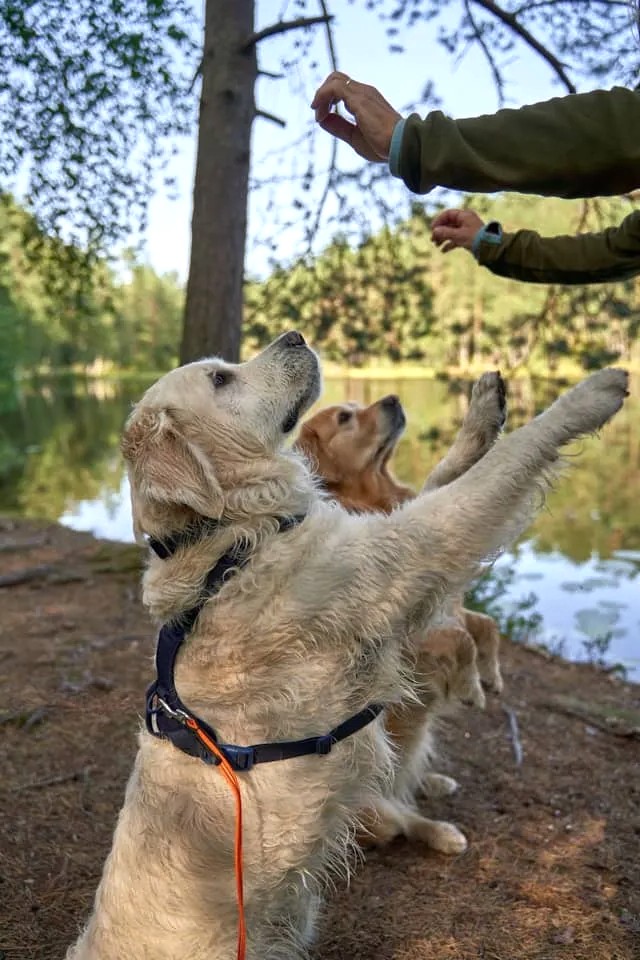
Positive reinforcement training is one of the most effective and vet-recommended methods for fixing dog behavior problems. Instead of punishing bad behavior, this approach focuses on rewarding good behavior, making your dog more likely to repeat it.
When your dog performs a desired action, such as sitting calmly, staying quiet, or chewing the right toy, you immediately reward them with treats, praise, or playtime. This helps your dog clearly understand which behaviors earn positive outcomes. Over time, these rewarded behaviors become habits.
Positive reinforcement builds trust and confidence. Dogs trained this way are less fearful and more eager to learn compared to dogs trained using punishment. It also strengthens the bond between you and your dog, making training sessions more enjoyable for both of you.
To get the best results:
- Reward good behavior immediately
- Use small, high-value treats during training
- Keep training sessions short and consistent
- Gradually reduce treats as behaviors improve
By focusing on encouragement instead of correction, positive reinforcement creates lasting behavior changes and a happier, well-behaved dog.
Daily Exercise and Mental Stimulation
Lack of exercise and mental stimulation is a major cause of many dog behavior problems, including excessive barking, chewing, and hyperactivity. Dogs need regular physical activity and mental challenges to stay balanced and calm. When these needs are unmet, unwanted behaviors often appear.
Daily exercise helps release excess energy and reduces stress. Activities like walks, playtime, fetch, or running keep your dog physically healthy and mentally relaxed. The amount of exercise needed depends on your dog’s age, breed, and energy level, but most dogs benefit from at least one or two active sessions each day.
Mental stimulation is just as important as physical exercise. Puzzle toys, training games, scent work, and learning new commands keep your dog’s mind engaged. Even short training sessions can prevent boredom and improve focus.
Simple ways to increase stimulation at home include:
- Rotating toys to keep them interesting
- Teaching new tricks or commands
- Using food-dispensing toys
- Exploring new walking routes
By meeting both physical and mental needs, you can significantly reduce behavior problems and help your dog stay happy, calm, and well-behaved.
Consistent Rules and Routine
Consistency is one of the most important factors in preventing and fixing dog behavior problems. Dogs thrive on structure and clear expectations, and inconsistent rules can confuse them, leading to unwanted behaviors like jumping, barking, or stealing food.
Establish house rules and make sure all family members follow them. For example, if dogs are not allowed on furniture, everyone in the household must enforce this rule consistently. Mixed messages slow down training and frustrate both the dog and the owner.
A daily routine also helps your dog feel secure. Regular feeding times, walks, play sessions, and training periods give your dog a sense of predictability and reduce anxiety. Dogs who know what to expect are calmer and more responsive to training.
Tips for maintaining consistency:
- Use the same commands for the same behaviors
- Reward desired behaviors consistently
- Correct unwanted behaviors calmly and immediately
- Keep a structured daily schedule for meals, walks, and play
Sudden Behavior Changes
Sudden changes in a dog’s behavior can be a sign that something is wrong, either physically or emotionally. Unlike gradual behavior issues, abrupt shifts—such as increased aggression, fearfulness, or withdrawal—should never be ignored.
Common causes include:
- Medical problems: Pain, illness, or hormonal imbalances can make a previously calm dog irritable or anxious.
- Stress or trauma: New environments, loud noises, or changes in the household can trigger fear-based behaviors.
- Age-related changes: Senior dogs may develop cognitive dysfunction or sensory decline, affecting behavior.
What to do:
- Observe your dog closely and note what triggers the behavior
- Consult a veterinarian to rule out medical issues
- Avoid punishment, as it can worsen fear or aggression
- Work with a professional trainer or behaviorist if needed
When to Seek Professional Help
While many dog behavior problems can be managed at home, some situations require the guidance of a veterinarian, certified trainer, or animal behaviorist. Seeking professional help ensures your dog’s safety, your family’s safety, and effective long-term solutions. 🐾
Signs you should seek professional help:
- Persistent aggression toward people or other dogs
- Severe anxiety or separation anxiety that damages property or causes self-harm
- Sudden, unexplained behavior changes
- Behavior problems that don’t improve despite consistent training and positive reinforcement
A veterinarian can check for underlying medical issues, while a certified trainer or behaviorist can create a structured training plan tailored to your dog’s needs. Early intervention often prevents minor issues from becoming major problems, ensuring a happier, healthier, and well-behaved dog.
Remember, seeking help is not a sign of failure—it’s a proactive step toward a stronger bond and a safer home
Conclusion & Call-to-Action
Most dog behavior problems are normal and manageable with patience, consistency, and understanding. By identifying the root causes—whether boredom, lack of training, anxiety, or health issues—you can take practical steps to correct unwanted behaviors and strengthen your bond with your dog. Techniques like positive reinforcement, daily exercise, mental stimulation, and consistent rules go a long way in shaping a happy, well-behaved pet.
Call-to-Action:
Explore more expert tips on Boldvist to keep your dog healthy, happy, and well-behaved. 🐾 Subscribe to our newsletter for weekly guides on dog care, training, nutrition, and behavior solutions. Start building a calmer, happier relationship with your furry friend today!