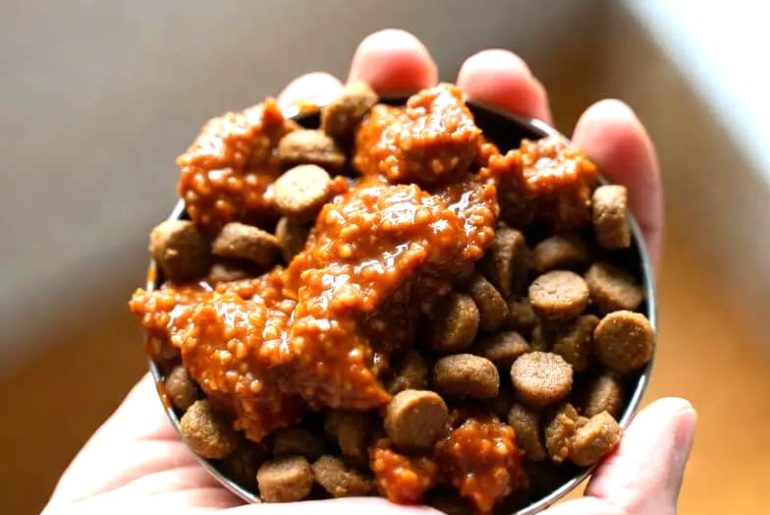


Your dog slows down on walks.
Your cat’s coat looks a little dull.
Your once-energetic companion now naps like it’s a competitive sport. 🐾
It’s easy to wonder: Is something missing from their diet?
Even with high-quality pet food, some dogs and cats can benefit from targeted nutritional support. That’s where the Best Supplements for Pet Health (Vet-Approved) come in. These carefully formulated additions are designed to support joint strength, digestion, skin health, immunity, and overall vitality, especially during key life stages like puppyhood, adulthood, and senior years.
But here’s the important part: not all supplements are created equal. The pet aisle can feel like a rainbow explosion of promises. Choosing vet-approved supplements ensures safety, proper dosing, and ingredients backed by science, not just shiny packaging.
In this guide, we’ll explore the Best Supplements for Pet Health (Vet-Approved), what they do, who truly needs them, and how to choose wisely. Because a healthy pet is not just about longer years. It’s about brighter, tail-wagging, purr-filled ones. 🐶🐱
Best Supplements for Pet Health (Vet-Approved) for Joint Support
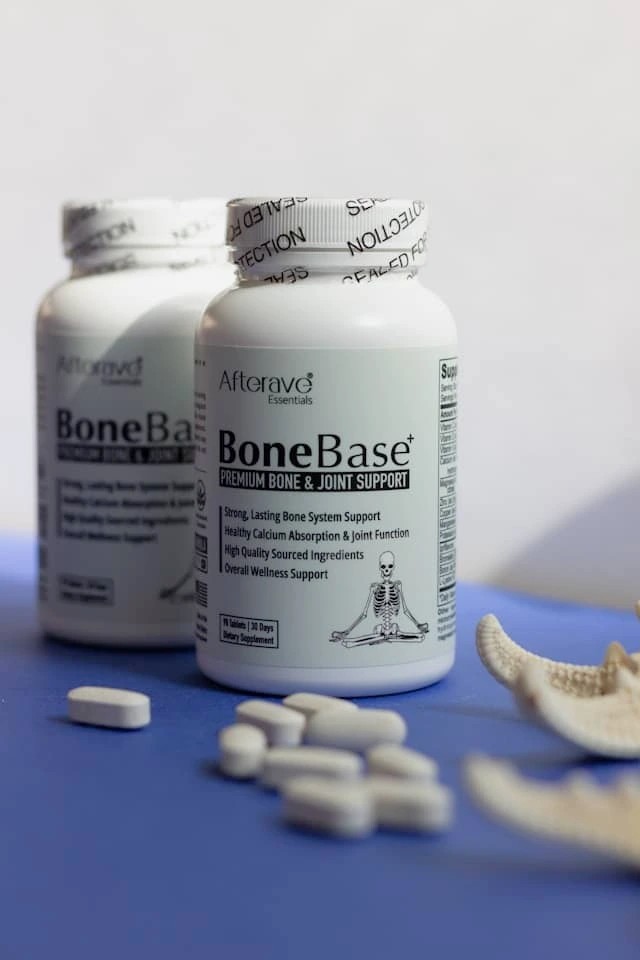
As our pets age or stay active day after day, their joints can start to feel the effects of life’s constant motion. This can show up as stiffness after naps, slower playtime, or reluctance on stairs. That’s where vet-approved joint supplements can help keep your furry friend moving comfortably. 🦴🐾
Glucosamine & Chondroitin
Why it’s recommended: These two are like the foundation and mortar for joint health. Veterinarians often suggest them together to support cartilage repair and reduce discomfort.
How it works:
- Glucosamine supplies the building blocks for cartilage.
- Chondroitin helps retain water and elasticity in joint tissues.
Best for: Senior dogs, large breeds, or pets showing early signs of stiffness.
Omega-3 Fatty Acids
Vet-approved benefit: Omega-3s are powerful anti-inflammatory nutrients commonly recommended by vets for joint support.
Sources included: Fish oil from salmon, anchovy, or sardines.
Why it matters:
Inflammation can make joints sore and stiff. Omega-3s help calm that internal “heat,” making movement easier.
Best for: Active dogs, pets with mild arthritis, or breeds prone to joint issues.
Turmeric (Curcumin)
Natural option vets often suggest: Turmeric contains curcumin, known for its anti-inflammatory and antioxidant properties.
How vets recommend using it: Often combined with black pepper or fats to enhance absorption.
Best for: Pets needing gentle joint support or those that tolerate natural supplements well.
What to Watch For
✔ Choose products with clear dosage based on weight
✔ Look for brands backed by veterinary panels or studies
✔ Avoid fillers and artificial additives
Keep in mind every pet’s needs are unique. If you notice limping, difficulty climbing stairs, or reluctance to play, talk with your veterinarian. Together, you can choose supplements that fit your pet’s lifestyle and age. 🐕💛
Best Supplements for Pet Health (Vet-Approved) for Skin & Coat
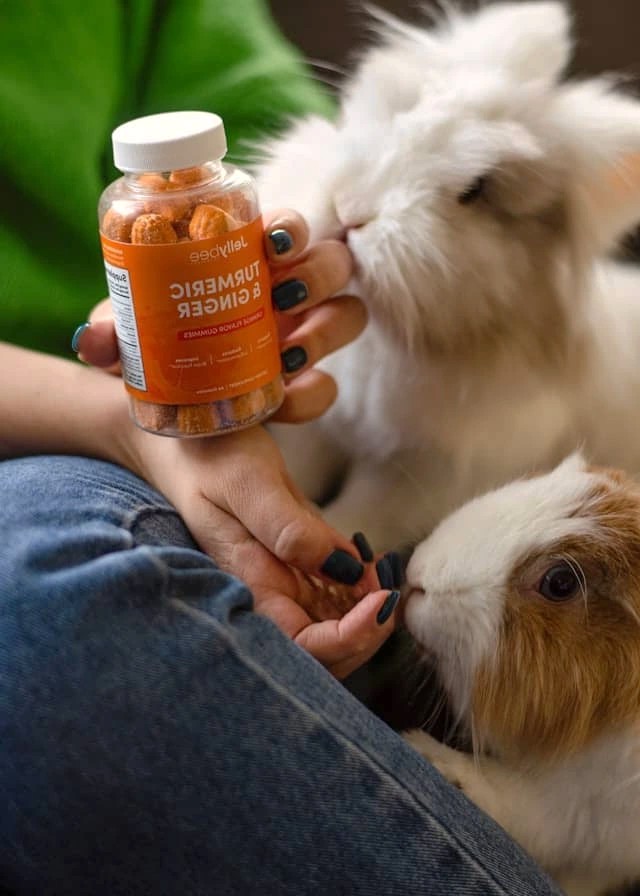
A shiny coat and healthy skin aren’t just about good looks—they’re signs of overall wellness. When your pet’s fur feels soft, gleams in the light, and they’re not scratching like a DJ at a flea market, it usually means their skin barrier is strong and well-nourished. 🌟🐾
Below are vet-approved supplements that help support vibrant skin and lustrous fur for dogs and cats.
🐟 Omega-3 Fatty Acids (Fish Oil)
Why vets recommend it: Omega-3s are rich in EPA and DHA, essential building blocks that help calm skin irritation and nourish follicles from the inside out.
What it does:
- Reduces itchiness and redness
- Helps maintain moisture in skin
- Enhances fur shine and texture
Good for: Pets with dryness, allergies, or dull coats.
Quick tip: Choose fish oil from cold-water fish like salmon or anchovies for higher EPA/DHA levels.
💊 Biotin & Zinc
Vet-approved duo: Biotin (a B-vitamin) and zinc are key nutrients that help keep skin strong and fur healthy.
Benefits include:
- Supports skin cell turnover
- Helps prevent flaky skin
- Promotes healthy fur growth
Good for: Pets with brittle fur, dry skin, or slow hair regrowth.
🌿 Vitamin E
Antioxidant power: Vitamin E supports skin repair and protects cells from everyday environmental stress.
Why vets like it:
- Helps soothe minor irritation
- Works in tandem with fatty acids for superior skin health
Good for: Sensitive skin, seasonal dryness, or pets in dry climates.
🌼 Collagen Supplements
Bonus support: Some vets suggest collagen or hydrolyzed collagen for fur strength and elasticity in the skin.
How it helps:
- Supports connective tissue health
- May reduce shedding over time
Good for: Pets with thinning coats or aging skin.
🧠 Choosing the Right Skin & Coat Supplement
- Check for vet endorsements or clinical data on the label
- Avoid artificial colors and fillers
- Select formulas tailored to your pet’s size/age
If your pet is constantly scratching or developing sores, always consult your veterinarian first. Skin issues can sometimes point to food allergies, parasites, or underlying health problems. 🩺🐶🐱
Best Supplements for Pet Health (Vet-Approved) for Digestive Health
A happy tummy means a happier pet! Digestive health influences everything from energy and mood to nutrient absorption and immune strength. When pets struggle with gas, irregular stools, or food sensitivities, vet-approved digestive supplements can be a gentle, effective support system from the inside out. 🐾🍽️
Here’s a look at the top vet-recommended options to help your dog or cat maintain a balanced gut.
🦠 Probiotics: Friendly Bacteria for Gut Balance
What they do: Probiotics are beneficial bacteria that help keep a pet’s gut flora in harmony. They support digestion, reduce gas, and boost immunity.
Why vets recommend them: A balanced gut microbiome can help with:
- Soft stools or diarrhea
- Occasional constipation
- Recovery after antibiotics
Common types:
- Enterococcus faecium
- Lactobacillus species
- Bifidobacterium species
Best for: Pets with sensitive stomachs, irregular stools, or those needing immune support.
🌱 Prebiotics: Food for Good Bacteria
How they work: Prebiotics are non-digestible fibers that feed the beneficial bacteria already in your pet’s gut, helping probiotics work better.
Vet-approved benefits:
- Supports stable digestion
- Enhances nutrient absorption
- Helps maintain regular bowel movements
Typical ingredients: Inulin, chicory root, beet pulp.
Best for: Pets on long-term probiotic support or with mild digestive ups and downs.
🧬 Digestive Enzymes: Boosting Nutrient Breakdown
Why vets like them: Digestive enzymes help pets break down proteins, fats, and carbs more efficiently—especially useful for pets with food sensitivities or enzyme deficiencies.
How they help:
- Reduces gas and bloating
- Improves appetite
- Helps pets extract more nutrition from food
Best for: Pets with poor appetite, undigested food in stools, or suspected enzyme shortfalls.
🐾 Tips for Pet Digestive Support
✔ Choose supplements with clear strain names (for probiotics)
✔ Follow dosage by weight or life stage
✔ Start gradually and watch for changes in stools
✔ Combine probiotics + prebiotics for optimal effect
When to talk to your vet:
Continuous vomiting, chronic diarrhea, blood in stool, or sudden weight loss. These can signal more than just digestive imbalance.
Digestive health isn’t one-size-fits-all, but with the right vet-approved supplements, your pet can enjoy better digestion, improved energy, and more joy at mealtime.
Best Supplements for Pet Health (Vet-Approved) for Overall Wellness
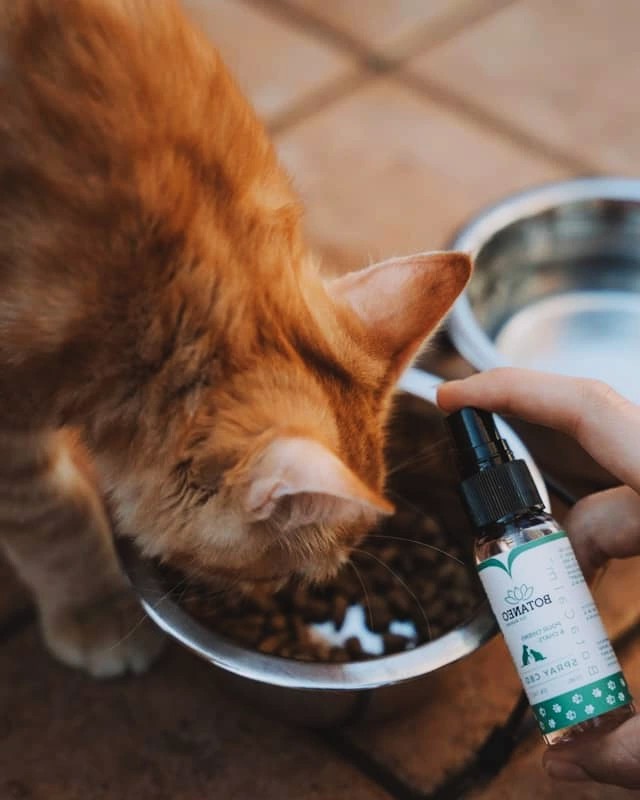
Think of this as “whole-pet support”—nutrients that help your companion feel great from nose to tail. These supplements aren’t about one body part; they’re about health that hums like a well-tuned engine. Vet-approved options below can strengthen immunity, fill nutritional gaps, and support pets at any life stage. 🐾✨
🐶 Multivitamins: Fill Nutritional Gaps
What they do: Provide a broad spectrum of essential vitamins and minerals that might be missing from diet alone, especially for picky eaters.
Why vets recommend them:
- Helps support immune function
- Supports healthy organ function
- Ensures balanced nutrition
Look for: Formulas tailored to size, age, and species (dog vs cat) to avoid too much of any nutrient.
Best for: Pets on limited-ingredient diets, seniors, or pets recovering from illness.
🌿 Antioxidants: Defense at the Cellular Level
How they help: Antioxidants protect cells from everyday wear and tear. They’re especially valuable for aging pets or those exposed to environmental stressors.
Vet-approved options include:
- Vitamin C
- Vitamin E
- Green tea extract (in appropriate doses)
Benefits:
- May support cognitive health
- Helps immune response
- Helps keep aging cells healthier longer
Best for: Senior pets and pets with busy outdoor lives.
🧘 CBD (Vet-Guided Only)
Note: CBD isn’t right for every pet, and vet guidance is crucial. But some veterinarians suggest high-quality, third-party tested CBD products for targeted support.
Potential benefits:
- Calms anxiety in stressful settings
- May support pain relief
- Can help with mild inflammation
Important: Always choose veterinarian-recommended brands and ensure products are free of THC.
Best for: Nervous pets, pets with situational anxiety, or those with mild pain.
🌼 Essential Fatty Acids for Wellness
We’ve already talked about omega-3s for joints and skin, but these fats also support general vitality:
- Heart health
- Brain wellness
- Cell membrane strength
Best for: Pets with overall lethargy or those not getting fatty acids from food sources.
🐾 Choosing the Right Overall Wellness Supplements
✔ Vet-approved certification or vet panel involvement
✔ Clear dosage instructions based on weight & species
✔ Minimal fillers, artificial colors, or unnecessary additives
✔ Tested by third parties for purity
If you ever worry that your pet seems “off” despite a solid diet, your veterinarian can help you decide if overall wellness supplements might help. Sometimes it’s about proactive support, not reactive fixes.
How to Choose the Best Supplements for Pet Health (Vet-Approved)
Choosing supplements for your furry friend isn’t like grabbing a snack on the way home. It’s more like picking supercharged fuel for an engine you want to run smoothly for years. With so many products lining the shelves (and screens), vet-approved guidance ensures safety, quality, and effectiveness. Here’s how to make smart choices that support your pet’s health—without the guesswork. 🧠✨
🩺 1. Look for Veterinary Endorsements
✔ Vet-Approved Labels: The most trustworthy supplements will clearly state they’re reviewed or recommended by veterinarians or veterinary nutritionists.
✔ Consult Your Vet First: Before starting any supplement, talk to your vet about your pet’s health history, diet, and lifestyle. Your vet can recommend specific brands and doses.
Bonus Tip: Some brands work with veterinary panels to formulate products with clinical backing, not just marketing claims.
🧪 2. Check Ingredients for Quality and Transparency
✔ Clear Ingredient List: Avoid products with vague terms like “proprietary blend” that hide ingredient amounts.
✔ Active vs. Inactive: Know which ingredients provide actual benefits (e.g., glucosamine, probiotics) and which are fillers or artificial additives.
✔ Natural Doesn’t Always Mean Better: Natural ingredients can be great—but they still require proper doses and vet approval.
🧠 3. Choose Supplements with Research or Clinical Backing
✔ Science-Backed Formulas: Look for products with published studies or clinical trials supporting their benefits.
✔ Third-Party Testing: Third-party labs verify purity and potency so you know your pet isn’t getting unnecessary fillers or harmful contaminants.
Example proof points to look for: NASC Quality Seal, USP verification, or independent lab tests.
⚖️ 4. Dose According to Size, Age, and Health Needs
✔ Weight-Based Dosing: Puppies and small breeds need different doses than large adult dogs. Always follow the label or vet instructions.
✔ Life Stage Matters: Growing pups, seniors, pregnant pets, and animals with health issues may need different supplements or strengths.
🐾 5. Avoid Harmful Additives or Fillers
🚫 Artificial colors
🚫 Unnecessary preservatives
🚫 Sugary coatings
These can irritate sensitive digestive systems or contribute to allergies. A simpler formula often means cleaner benefits.
🕵️♂️ 6. Read Reviews and Talk to Other Pet Owners
✔ Real Experiences Matter: Reviews can reveal how other pets responded to the supplement.
✔ Vet Forums & Experts: Vet communities often discuss best practices and brand reputations.
🗂 7. Monitor Your Pet’s Response
✔ Track Changes: Keep a small journal of your pet’s behavior, coat condition, mobility, digestive health, and overall vitality after starting a supplement.
✔ Adjust as Needed: If you see no improvements or any adverse effects, talk to your vet right away.
🧾 8. Cost Isn’t Always Quality—But Value Matters
A high price doesn’t guarantee effectiveness, and a low price doesn’t guarantee safety. Focus on vet approval, ingredient transparency, and evidence-based benefits first.
🐕 Final Thought
Choosing the right pet supplement is a bit like picking a personalized health plan: it should be vet-backed, ingredient-savvy, tailored to your pet’s needs, and something you can monitor over time. When chosen wisely, supplements become a powerful partner in your pet’s lifelong wellbeing.
you can read more about How to Choose the Best Supplements for Pet Health (Vet-Approved) by visit this site
Do All Pets Need Supplements?
Short answer? No.
Long answer? It depends on the pet, the plate, and the particular quirks of their biology.
If your dog or cat is eating a complete and balanced commercial diet that meets AAFCO standards, they’re already getting essential nutrients in the right proportions. For many healthy adult pets, that’s enough. Adding supplements “just in case” can sometimes do more harm than good. Too much calcium, vitamin D, or certain minerals can tip the nutritional scale in the wrong direction.
Think of supplements as targeted support, not daily decorations.
🐶 When Supplements May Be Helpful
Certain life stages or conditions can increase nutritional needs:
✔ Senior pets
Aging joints, slower digestion, or cognitive changes may benefit from joint support, omega-3s, or antioxidants.
✔ Large breed dogs
More weight means more stress on joints. Preventive joint supplements are often vet-recommended.
✔ Puppies or kittens (special cases)
Most young pets on balanced diets do not need extras, but some large-breed puppies may require carefully monitored nutrition plans.
✔ Pets with medical conditions
Digestive disorders, skin allergies, arthritis, or heart conditions sometimes call for specific supplements prescribed or approved by a veterinarian.
✔ Homemade or raw diets
These diets often require professional formulation. Without proper balancing, nutrient gaps are common.
🐱 When Supplements Are Usually NOT Needed
- Healthy adult pets eating high-quality, complete commercial food
- Pets without symptoms or risk factors
- Situations where supplements are added “because the label looked convincing”
More is not better. Pets are not tiny humans with snack-sized vitamin needs. Their metabolism works differently, and overdosing can happen quietly.
🩺 The Vet Rule
Before adding any supplement, ask:
- What specific problem are we addressing?
- Is there clinical evidence this supplement helps?
- What is the correct dose for my pet’s size and age?
Your veterinarian can help you avoid guesswork and unnecessary expenses.
🐾 The Bottom Line
Supplements are tools. Powerful ones.
But tools are meant for specific jobs.
If your pet is thriving, bright-eyed, active, and eating a balanced diet, you may not need to add anything at all. If something feels “off,” that’s when targeted, vet-approved supplements can make a meaningful difference.
Healthy pets don’t need everything.
They just need the right things.
EXTRA- YOU CAN READ ABOUT Parasite control (fleas,ticks,worms) BY VISIT MY SITE
Conclusion & Call-to-Action
Your pet depends on you for more than food and belly rubs. They rely on you for smart decisions that shape their long-term health.
The Best Supplements for Pet Health (Vet-Approved) are not magic powders or miracle chews. They are targeted tools designed to support joints, digestion, skin, immunity, and overall wellness when there is a real need. When chosen wisely and guided by your veterinarian, they can enhance comfort, energy, and quality of life.
But remember:
Healthy pets on balanced diets may not need extra supplementation at all. The goal is not to add more. The goal is to add what truly helps.
Here’s Your Next Step
✔ Schedule a quick conversation with your veterinarian
✔ Identify one specific health goal for your pet
✔ Choose a high-quality, vet-approved supplement if recommended
✔ Monitor progress and adjust as needed
Small, informed choices today can lead to brighter eyes, smoother walks, shinier coats, and happier tails tomorrow. 🐶🐱
If you found this guide helpful, share it with fellow pet parents and bookmark it for future reference. Your pet’s healthiest chapter starts with knowledge. 💛