

Table of Contents
How often should you clean a cat’s litter box? It sounds like a simple question, but the answer can make a big difference in your cat’s health and your home’s comfort. A litter box is not just a bathroom. It is a daily habit space, a scent marker, and a quiet corner your cat relies on.
Cats are naturally clean animals. In the wild, they bury their waste to stay hidden from predators. Inside your home, that instinct remains strong. When the litter box is dirty, many cats will avoid it altogether. That can lead to accidents, stress, and even health problems.
For cat owners across the USA, keeping a consistent cleaning routine helps prevent odors, bacteria buildup, and litter box avoidance. The good news is that maintaining a fresh box does not have to be complicated or time-consuming. With the right schedule and a few smart habits, you can create a cleaner, healthier environment for both you and your cat.
In this guide, you will learn exactly how often you should clean a cat’s litter box, what factors affect cleaning frequency, and how to keep it fresh with minimal effort
How Often Should You Clean a Cat’s Litter Box?
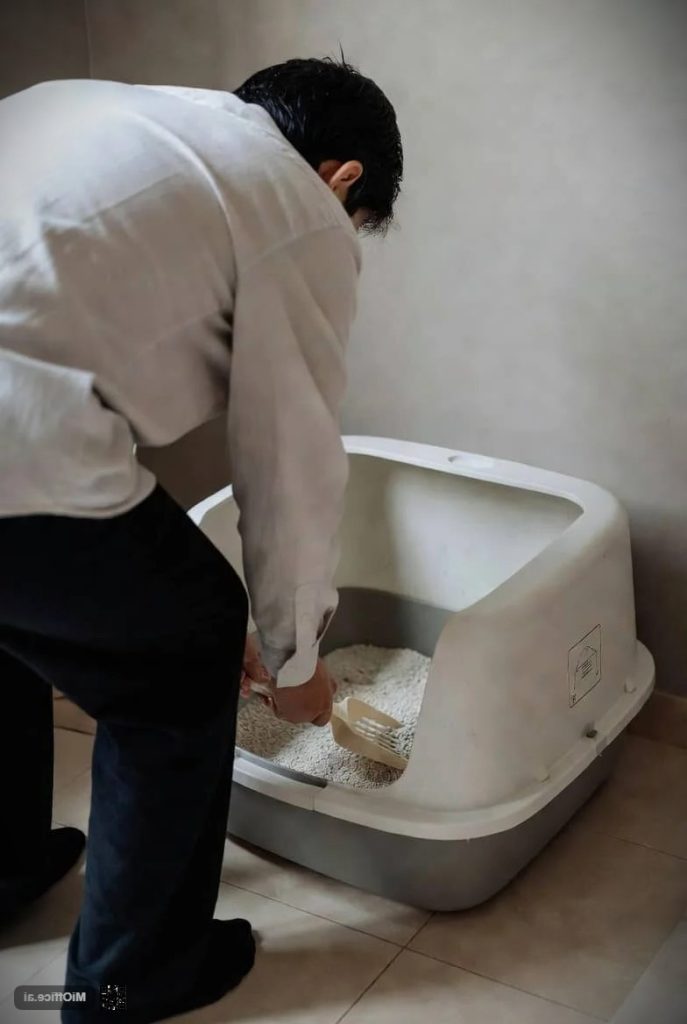
If you want the short, practical answer: scoop daily, refresh weekly, deep clean monthly. 🐾
But let’s break it down clearly so you know exactly what that means for your home.
✅ Daily: Scoop at Least Once (Twice Is Even Better)
- Remove solid waste and urine clumps
- Check litter depth and texture
- Remove any obvious odor sources
Most veterinarians recommend scooping at least once per day for one cat. If you have multiple cats, scoop once per cat per day whenever possible.
A clean surface encourages your cat to keep using the box. Think of it as resetting their bathroom each day.
✅ Weekly: Refresh and Top Off
Every 7 days (or sooner if needed):
- Add fresh litter to maintain 2–3 inches of depth
- Wipe down the edges and outer rim
- Check for stuck debris
For non-clumping litter, you may need to replace the entire box contents more often, sometimes every few days.
✅ Every 1–2 Weeks: Full Litter Replacement
Even with daily scooping, litter eventually becomes saturated with microscopic waste particles.
For most clumping litters:
- Empty the box completely
- Dispose of old litter
- Wash and dry before refilling
Multi-cat households may need a full replacement every week.
✅ Monthly: Deep Clean the Box
At least once a month:
- Wash with mild soap and warm water
- Avoid harsh chemical cleaners
- Dry completely before adding new litter
Plastic litter boxes can absorb odors over time, so replacing the box every 1–2 years helps maintain freshness.
🐱 Quick Rule of Thumb
- 1 cat = scoop daily
- 2+ cats = scoop more than once daily
- Strong smell = clean immediately
When in doubt, follow your nose and your cat’s behavior. If your cat hesitates, scratches around excessively, or starts going outside the box, it may be time to clean more often.
A tidy litter box is not just about odor control. It is about comfort, routine, and keeping your cat healthy and stress-free.
Why How Often You Should Clean a Cat’s Litter Box Matters
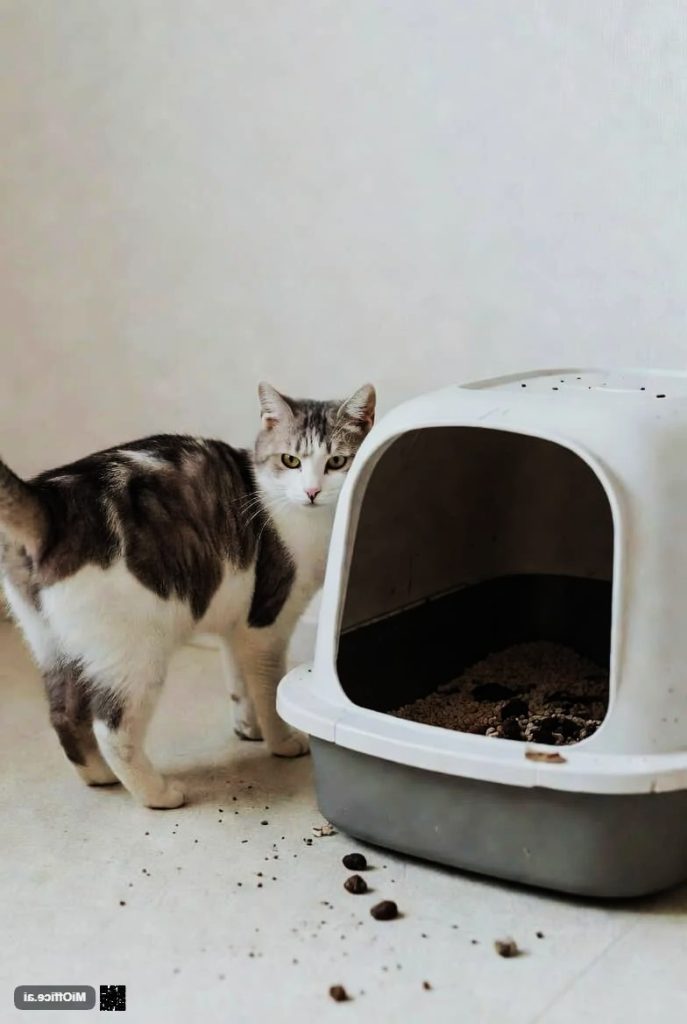
A litter box might look like a simple plastic tray, but to your cat, it is sacred territory. When it is clean, life flows smoothly. When it is dirty, problems quietly begin stacking up. Knowing how often you should clean a cat’s litter box is not just about avoiding bad smells. It directly affects your cat’s health, behavior, and your home environment.
🐾 Prevents Urinary Tract Infections and Health Issues
A dirty litter box becomes a breeding ground for bacteria. When waste sits too long, moisture and ammonia create the perfect environment for germs to multiply.
Cats that avoid dirty boxes may “hold it in,” which can increase the risk of urinary tract infections and other urinary problems. Regular cleaning reduces bacterial buildup and supports better hygiene for your cat.
🐾 Reduces Litter Box Avoidance
Cats are extremely clean animals. If the litter box smells strong or feels soiled, many cats will simply refuse to use it.
This can lead to:
- Accidents around the house
- Stress-related behavior
- Marking or spraying
Often, owners assume behavioral problems are the issue. In reality, the litter box just needs more frequent cleaning.
🐾 Keeps Your Home Odor-Free
Cat urine contains ammonia. When waste accumulates, that sharp smell lingers in carpets, walls, and even the air.
Cleaning daily:
- Controls odor before it spreads
- Improves indoor air quality
- Makes your home more comfortable for guests
A clean box acts like a quiet filter, preventing unpleasant smells from taking over your space.
🐾 Supports Your Cat’s Mental Well-Being
Cats thrive on routine and cleanliness. A consistently clean litter box gives them a sense of safety and stability.
When the box is neglected, it can cause:
- Anxiety
- Hesitation before using it
- Increased scratching or digging
In short, knowing how often you should clean a cat’s litter box protects both physical health and emotional comfort.
Factors That Affect How Often You Should Clean a Cat’s Litter Box
There is no single magic number that fits every cat. Some homes need once-a-day scooping. Others need twice before dinner. The difference often comes down to a few key factors that quietly shape how quickly a litter box turns from fresh to “please fix this.” 🐾
Understanding these factors helps you adjust your routine instead of guessing.
🐱 Number of Cats in the Household
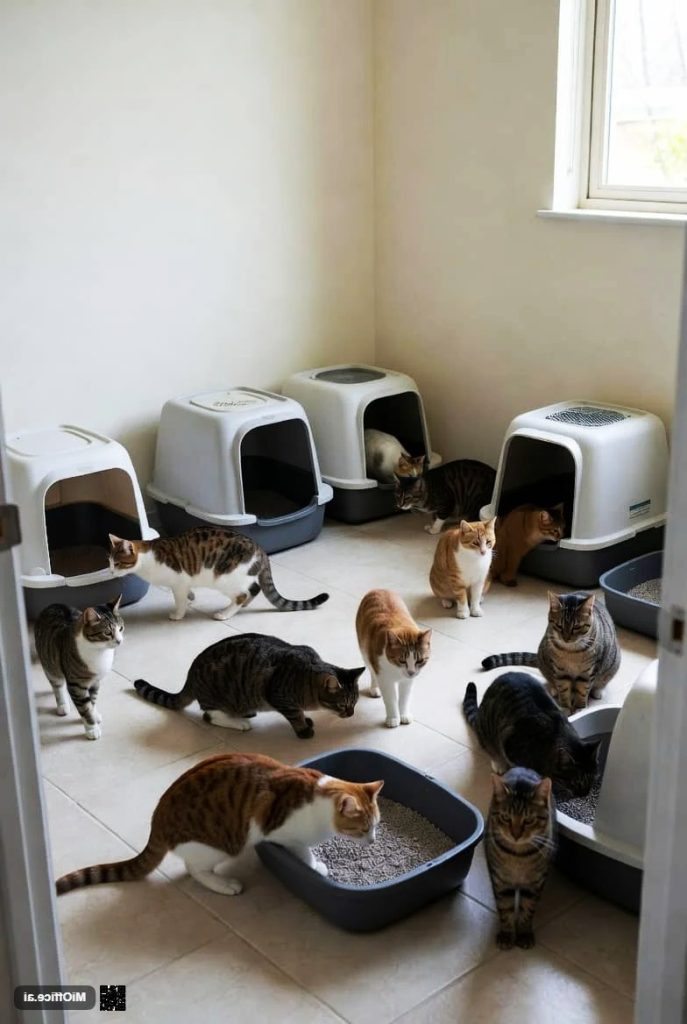
More cats means more traffic. And more traffic means faster buildup.
A helpful rule many experts recommend:
- One litter box per cat, plus one extra
So if you have two cats, aim for three boxes. Even with multiple boxes, you will likely need to scoop at least once daily per box, sometimes more in busy households.
🐾 Type of Litter Used
Not all litter behaves the same way.
- Clumping litter: Easier to maintain. Daily scooping works well, with full replacement every 1–2 weeks.
- Non-clumping litter: Absorbs urine but does not form clumps. Requires more frequent full changes.
- Crystal (silica) litter: Controls odor longer but still needs daily waste removal.
The type you use directly affects how often you should clean a cat’s litter box to keep it fresh and sanitary.
📦 Size of the Litter Box
A small box fills up quickly. When waste has less space to spread out, odor concentrates faster.
Larger boxes:
- Stay fresher longer
- Give cats more room to dig and cover
- Reduce the feeling of overcrowding
If your cat barely fits inside, upgrading the box size may reduce how often deep cleaning is required.
🥣 Your Cat’s Diet and Hydration
What goes in must come out.
Cats that eat high-protein diets or wet food may produce stronger odors. Cats that drink less water may have more concentrated urine, which can intensify smells.
If you notice stronger odors than usual, you may need to scoop more often, even if your schedule has not changed.
🩺 Your Cat’s Health
Digestive issues, urinary conditions, or medication changes can increase litter box usage.
If your cat suddenly needs the box more often:
- Increase cleaning frequency
- Monitor for unusual stool or urine changes
- Consult a veterinarian if needed
Health changes often show up in the litter box first. A clean box helps you spot problems early.
🌡️ Home Environment and Ventilation
Humidity and poor airflow can trap odor. In warmer climates or smaller apartments, litter boxes may need more frequent maintenance.
Placing the box in a well-ventilated, quiet area helps reduce odor buildup and keeps your cat comfortable.
🐾 The Bottom Line
How often you should clean a cat’s litter box depends on your specific situation. More cats, smaller boxes, certain litter types, and diet all increase cleaning frequency.
When in doubt, follow two signals:
- Your nose
- Your cat’s behavior
If either starts complaining, it is time to clean.
Daily, Weekly, and Monthly Litter Box Cleaning Schedule
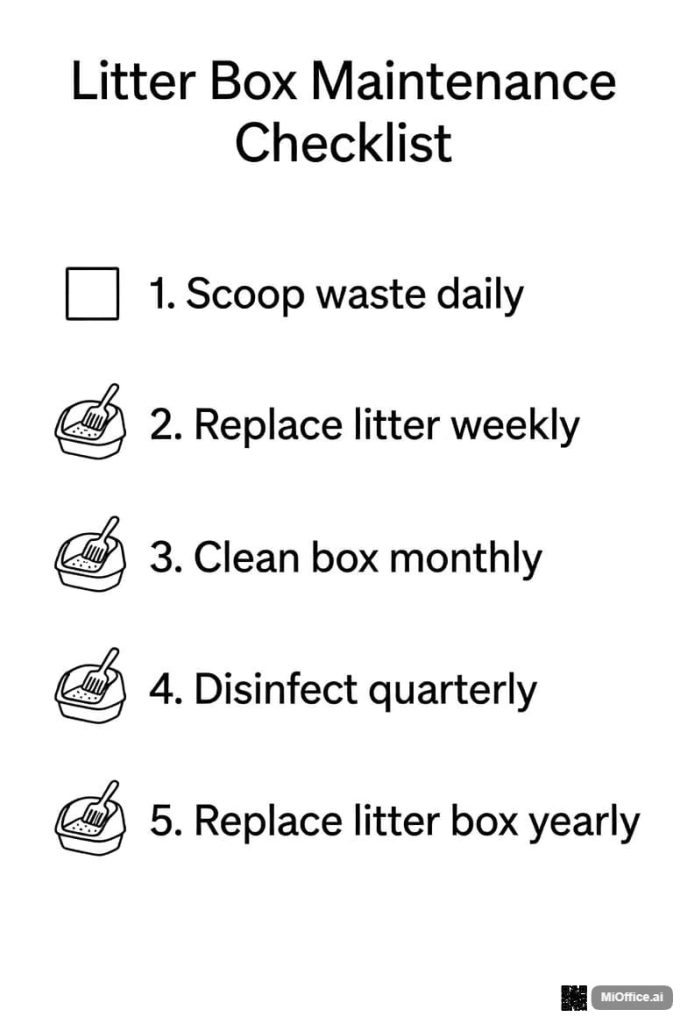
A litter box works best when it follows a rhythm. Think of it as a simple maintenance routine instead of a big chore. A few small habits each day keep odors low, bacteria under control, and your cat happy. 🐾
Here is a clear, practical schedule you can follow.
🗓 Daily Litter Box Cleaning Tasks
This is the most important step when deciding how often you should clean a cat’s litter box.
Do this at least once per day:
- Scoop solid waste
- Remove urine clumps
- Check litter depth (keep about 2–3 inches)
- Break apart any damp areas forming outside clumps
If you have multiple cats, scoop twice daily if possible. Morning and evening works well for busy households.
Daily scooping prevents odor buildup and keeps your cat from rejecting the box.
🗓 Weekly Litter Box Maintenance
Even with daily scooping, litter slowly loses freshness.
Once per week:
- Top off with fresh litter
- Wipe the rim and outer edges with a damp cloth
- Check for stuck debris on the bottom
- Inspect for cracks or trapped odors
For non-clumping litter, you may need to replace all litter every few days instead of topping it off.
This weekly refresh keeps bacteria from quietly multiplying under the surface.
🗓 Every 1–2 Weeks: Full Litter Replacement
Clumping litter still needs a reset.
Every 1–2 weeks:
- Empty all litter completely
- Dispose of waste properly
- Wash the box with warm water and mild soap
- Dry thoroughly before refilling
Multi-cat homes may need full replacement weekly. Single-cat homes may stretch closer to two weeks.
🗓 Monthly Deep Cleaning
Once a month, give the box extra attention.
- Scrub thoroughly with mild soap
- Avoid strong chemical cleaners
- Let it air dry completely
- Consider sprinkling baking soda before adding fresh litter
Plastic absorbs odor over time. Replacing the litter box every 1–2 years helps maintain freshness.
🐱 Simple Routine Summary
- Daily: Scoop
- Weekly: Refresh and wipe
- Every 1–2 weeks: Replace litter
- Monthly: Deep clean
Following this schedule makes the answer to how often should you clean a cat’s litter box simple and stress-free. A few consistent minutes each day prevent bigger problems later.
yoiu can read more about Daily, Weekly, and Monthly Litter Box Cleaning Schedule by visit this site
What Happens If You Don’t Clean the Litter Box Often Enough?
Skipping litter box cleaning might seem harmless at first. One missed day becomes two. Then suddenly, your cat starts acting differently. The litter box is often the first place where small neglect turns into big problems. 🐾
Here’s what can happen when a litter box is not cleaned often enough.
🚫 Litter Box Avoidance and Accidents
Cats have strong cleanliness instincts. When a box smells bad or feels dirty, many cats will refuse to use it.
This can lead to:
- Urinating or defecating outside the box
- Using carpets, laundry, or corners instead
- Increased scratching or digging behavior
These are not “bad habits.” They are signs your cat is asking for a cleaner space.
🩺 Increased Health Risks
A dirty litter box allows bacteria to thrive. Over time, this can contribute to:
- Urinary tract infections
- Bladder inflammation
- Digestive stress
Cats may also hold their urine to avoid the box, which can worsen urinary issues, especially in male cats.
😾 Stress, Anxiety, and Behavioral Changes
Cats rely on routine. When the litter box becomes unpleasant, it can disrupt their sense of security.
You may notice:
- Hesitation before entering the box
- Excessive meowing or pacing
- Aggression or withdrawal
Stress-related behavior often improves quickly once the box is cleaned regularly.
👃 Strong, Lingering Odors in Your Home
Cat urine contains ammonia. When waste builds up, the smell spreads beyond the litter box area.
- Odors soak into flooring and furniture
- Air quality decreases
- Guests notice, even if you don’t anymore
Once odors settle into surfaces, they are much harder to remove.
🦠 Bacterial and Parasite Exposure
An unclean litter box can expose both cats and humans to harmful bacteria and parasites, especially if waste is left for long periods.
This risk is higher in homes with:
- Children
- Elderly family members
- Weakened immune systems
Regular cleaning reduces these health risks significantly.
🐱 The Takeaway
If you don’t clean the litter box often enough, your cat will tell you, through behavior, health changes, or stress. By the time problems appear, they have often been building for days or weeks.
Understanding how often you should clean a cat’s litter box is not just about cleanliness. It is about preventing problems before they start. A clean box keeps your cat calm, healthy, and confident in their home.
Best Practices for Keeping Your Cat’s Litter Box Fresh
Keeping a litter box fresh is less about heroic cleaning marathons and more about steady, simple habits. A few smart practices can turn the box from a problem zone into a low-maintenance routine. 🐾
Here is how to keep things consistently clean and odor-free.
🧹 Scoop Consistently, Not Occasionally
The golden rule is simple: scoop daily, without fail.
Even high-quality litter cannot compensate for skipped days. Regular scooping:
- Reduces ammonia buildup
- Prevents bacterial growth
- Encourages consistent litter box use
Many experts, including the American Society for the Prevention of Cruelty to Animals, recommend daily removal of waste to maintain hygiene and prevent behavior issues.
Set a reminder if needed. Five minutes a day saves future headaches.
📦 Use the Right Amount of Litter
Too little litter leads to waste sticking to the bottom. Too much makes scooping messy and wasteful.
Aim for:
- 2 to 3 inches of litter depth
This gives your cat enough material to dig and cover while making clumps easier to remove.
🌬 Place the Box in a Well-Ventilated Area
Location matters more than many owners realize.
Choose a spot that is:
- Quiet
- Low-traffic
- Well-ventilated
- Away from food and water bowls
Good airflow helps control odor naturally and keeps the area from feeling stuffy.
The Humane Society of the United States also advises placing litter boxes in calm, accessible areas where cats feel safe.
🧼 Avoid Harsh Chemical Cleaners
Strong cleaners may smell fresh to humans, but to cats they can be overwhelming.
When washing the box:
- Use mild, unscented soap
- Rinse thoroughly
- Dry completely before refilling
Residue from strong chemicals may discourage your cat from using the box.
🧂 Add Natural Odor Control
For extra freshness:
- Sprinkle a thin layer of baking soda under the litter
- Use high-quality clumping litter
- Consider an activated charcoal odor absorber nearby
Avoid heavily perfumed products. Cats prefer subtlety.
🔄 Replace the Litter Box Periodically
Plastic absorbs odors over time, even with regular cleaning.
Plan to replace the litter box:
- Every 1 to 2 years
- Sooner if you notice scratches or persistent smells
A fresh box can instantly improve odor control.
🐱 Maintain the “One Plus One” Rule
For multi-cat homes:
- One litter box per cat
- Plus one extra
This reduces overcrowding and keeps waste from piling up too quickly.
🐾 Final Thought
Freshness is not about perfection. It is about consistency.
When you understand how often you should clean a cat’s litter box and follow these best practices, the box stays clean, your home smells better, and your cat feels secure in their daily routine.
A clean litter box is quiet proof that you are paying attention. And cats always notice.
Conclusion & Call-to-Action
Keeping a litter box clean is one of the simplest ways to protect your cat’s health, reduce stress, and maintain a fresh-smelling home. By following a daily, weekly, and monthly cleaning routine, you can ensure your cat always has a comfortable and hygienic space to do their business.
Remember the key points:
- Scoop daily to remove waste and clumps
- Refresh weekly with fresh litter and wipe the edges
- Deep clean monthly and replace the box as needed
Consistency matters more than perfection. Even a few minutes each day can prevent accidents, odor buildup, and stress for both you and your cat.
🐾 Take Action Today: Start your litter box cleaning routine now and see the difference in your cat’s behavior and your home’s freshness. Share this guide with fellow cat owners and help more cats enjoy a cleaner, healthier environment!