
Choosing the right food for your pet is one of the most important decisions you’ll make as a pet owner. The variety of options—dry kibble, wet canned food, or raw diets—can be overwhelming, and each type offers unique benefits and considerations for your furry friend’s health. The right choice can boost energy, support digestion, maintain a healthy weight, and even improve coat and dental health.
In this guide, we’ll break down the best food types for pets, helping you understand the pros, cons, and feeding tips for each. Whether you have a playful puppy, a curious kitten, or a wise senior pet, this article will give you the knowledge to make informed decisions that keep your pets happy, healthy, and thriving.
Understanding Different Pet Food Types
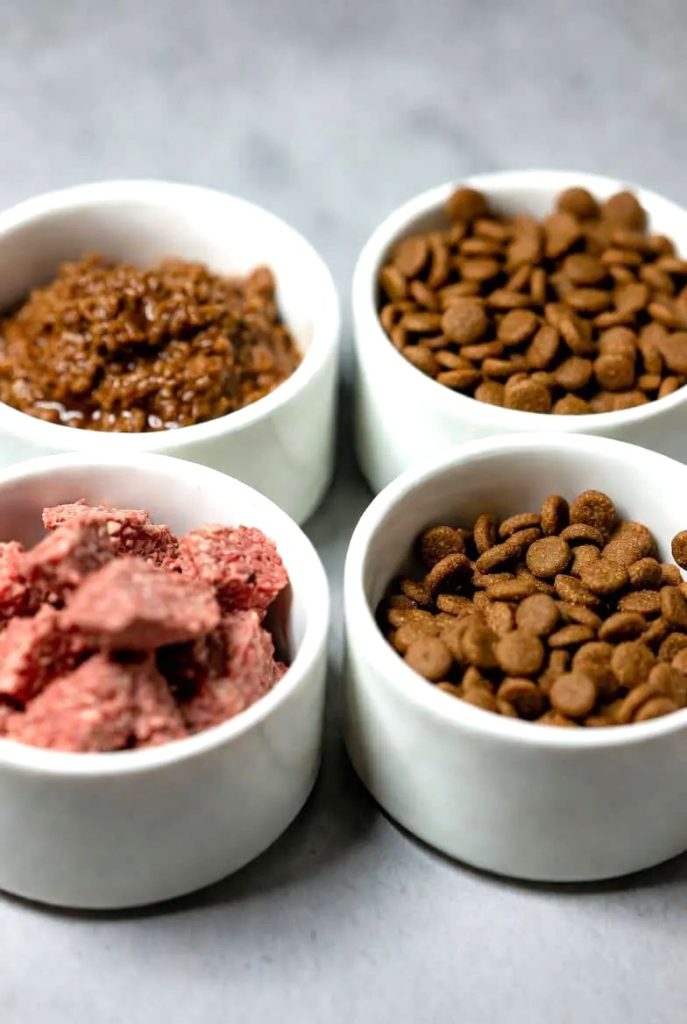
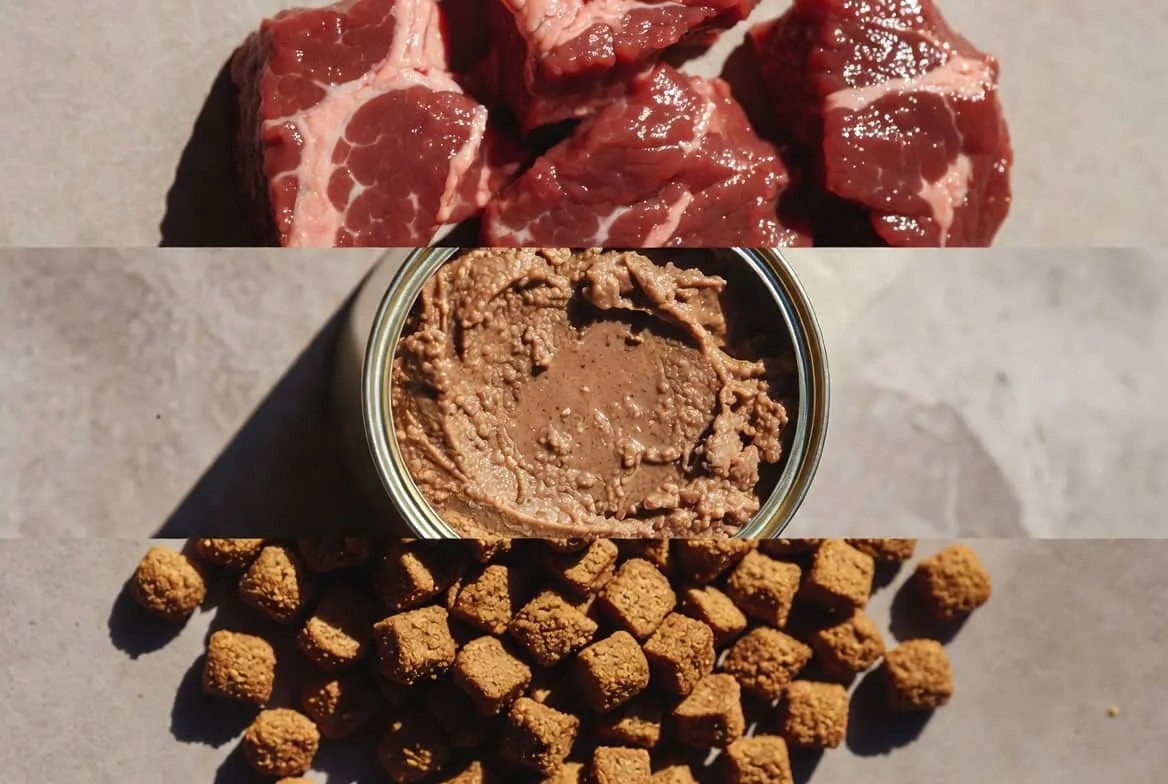
Choosing the right food starts with understanding the main types available: dry, wet, and raw. Each type offers unique benefits, textures, and nutritional profiles for your pet. Knowing the differences helps you make choices that match your pet’s age, health, and preferences.
: Dry Food (Kibble)
Dry food, often called kibble, is the most common pet food type. It is made by combining meat, grains, vitamins, and minerals, then cooking and shaping it into small, dry pieces.
Key Points:
- Convenience: Easy to store, measure, and feed.
- Dental Benefits: Crunchy texture can help reduce plaque and tartar.
- Cost-Effective: Usually more affordable than wet or raw options.
- Consideration: Lower moisture content; pets must drink enough water.
: Wet Food (Canned Food)
Wet food comes in cans or pouches and contains a higher moisture content than dry food. It is often more palatable, making it ideal for picky eaters.
Key Points:
- High Palatability: Strong aroma and soft texture appeal to many pets.
- Hydration Support: Extra moisture helps pets stay hydrated.
- Nutrient-Dense: Often contains higher protein levels.
- Consideration: Shorter shelf life after opening; more expensive per serving.
: Raw Food (BARF Diet)
The raw diet (Biologically Appropriate Raw Food or BARF) includes raw meat, bones, fruits, and vegetables. Advocates argue it closely mimics what pets would eat in the wild.
Key Points:
- Natural Nutrition: High in protein, healthy fats, and essential nutrients.
- Customization: Can tailor ingredients for your pet’s specific needs.
- Consideration: Requires careful handling to prevent bacterial contamination. Time-consuming and usually more expensive.
Benefits and Drawbacks of Each Food Type
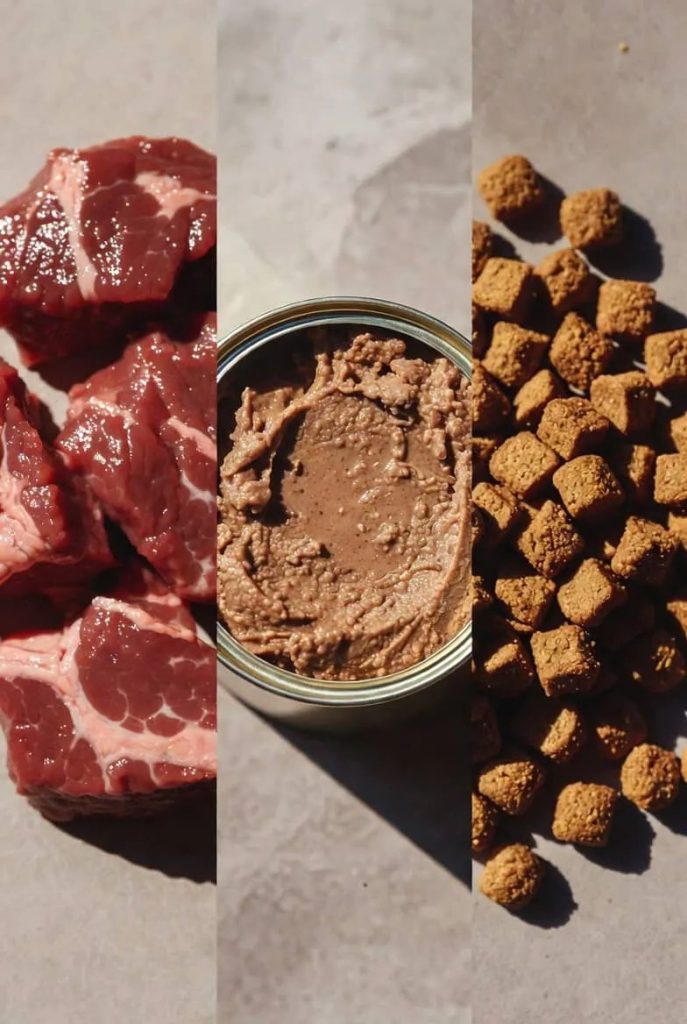
Understanding the pros and cons of dry, wet, and raw food helps pet owners make informed decisions based on their pet’s health, preferences, and lifestyle.
: Dry Food Pros & Cons
Pros:
- Convenient to store and serve.
- Helps reduce plaque and tartar buildup.
- Cost-effective for long-term feeding.
- Longer shelf life than wet or raw food.
Cons:
- Low moisture content may require extra water intake.
- Some brands may contain fillers or artificial additives.
- Less palatable for picky eaters.
: Wet Food Pros & Cons
Pros:
- Highly palatable and appealing to picky pets.
- High moisture content supports hydration.
- Often contains more protein than dry food.
Cons:
- Shorter shelf life after opening.
- More expensive per serving.
- Can stick to teeth, potentially increasing dental issues.
: Raw Food Pros & Cons
Pros:
- Mimics a pet’s natural diet; nutrient-rich.
- Can be customized for specific dietary needs.
- High in protein and healthy fats.
Cons:
- Requires careful handling to prevent bacterial contamination.
- Time-consuming to prepare.
- Typically more expensive than dry or wet food.
: Quick Comparison Table (Optional for Readability)
| Food Type | Pros | Cons |
|---|---|---|
| Dry | Convenient, cost-effective, dental benefits | Low moisture, less palatable |
| Wet | Hydrating, tasty, protein-rich | Short shelf life, expensive |
| Raw | Natural, nutrient-dense, customizable | Handling risk, time- consuming, costly |
Feeding Guidelines and Tips
Feeding your pet the right amount and type of food is essential for maintaining optimal health. Whether you choose dry, wet, or raw food, following proper guidelines ensures your pet stays energetic, maintains a healthy weight, and avoids nutritional imbalances.
: Portion Sizes and Frequency
- Follow the label: Pet food packaging usually includes recommended daily portions based on your pet’s weight and age.
- Adjust as needed: Active pets may need more calories, while less active pets may require smaller portions.
- Multiple meals: Puppies and kittens often benefit from 3–4 smaller meals per day, while adult pets can eat 1–2 meals daily.
: Transitioning Between Food Types
Switching foods suddenly can upset your pet’s digestive system.
- Gradual transition: Mix 25% new food with 75% old food for the first 3–4 days. Gradually increase the new food until fully transitioned.
- Monitor digestion: Look out for vomiting, diarrhea, or changes in appetite and consult your vet if needed.
: Balancing Nutrients
- Check labels: Ensure the food provides all essential nutrients like protein, fats, vitamins, and minerals.
- Mixing food types: Some owners combine dry and wet food for variety, but always balance portions to avoid overfeeding.
- Supplementation: Only use supplements if recommended by a veterinarian to prevent deficiencies or excesses.
: Hydration Matters
- Fresh water: Always provide clean water, especially for pets eating dry food.
- Wet or raw diets: These contain higher moisture but do not eliminate the need for water.
: Special Considerations for Treats
- Treats should not exceed 10% of your pet’s daily calorie intake.
- Choose healthy, low-calorie treats that complement their main diet.
- Avoid feeding human food that can be toxic to pets, such as chocolate, onions, or grapes.
you can read more about Feeding Guidelines and Tips by visit this site
Special Considerations for Puppies, Kittens, and Senior Pets

Pets’ nutritional needs change throughout their lives. Choosing the best food types (dry, wet, raw) for each life stage ensures healthy growth, energy levels, and longevity.
: Puppies and Kittens
- High energy needs: Growing pets require diets rich in protein, fat, and essential nutrients.
- Food type recommendations: Wet or high-quality dry food is ideal, as it is easier to digest and palatable. Some owners introduce small amounts of raw food if recommended by a vet.
- Frequent meals: Puppies and kittens should eat 3–4 times a day to support rapid growth.
- Transition caution: Their digestive systems are sensitive, so introduce new foods gradually.
: Adult Pets
- Balanced diet: Adult pets need food that maintains weight and supports activity.
- Mixing food types: Combining dry and wet food can add variety and ensure hydration.
- Portion control: Adjust based on activity level and metabolism to prevent obesity.
: Senior Dogs and Cats
- Lower calorie needs: Older pets are less active and need food that prevents weight gain.
- Joint support: Look for foods enriched with glucosamine, omega-3s, and antioxidants.
- Dental health: Soft wet food may be easier to chew if teeth are worn or sensitive.
- Health monitoring: Regular vet check-ups are essential to adjust diet based on kidney, liver, or heart conditions.
: Special Dietary Needs
- Allergies and sensitivities: Some pets may require grain-free, limited-ingredient, or hypoallergenic diets.
- Vet guidance: Always consult your veterinarian before changing a pet’s diet, especially for puppies, kittens, or senior pets with medical conditions.
YOU CAN READ MORE ABOUT Choosing the right food brand BY VISIT MY BLOG
Common Mistakes to Avoid When Choosing Pet Food

Even well-intentioned pet owners can make mistakes that impact their pet’s health. Avoiding these common errors ensures your furry friends get the nutrition they need from the best food types (dry, wet, raw).
Even well-intentioned pet owners can make mistakes that impact their pet’s health. Avoiding these common errors ensures your furry friends get the nutrition they need from the best food types (dry, wet, raw).
: Overfeeding or Underfeeding
- Feeding too much can lead to obesity, joint problems, and other health issues.
- Underfeeding can cause nutrient deficiencies, low energy, and poor growth.
- Tip: Measure portions according to your pet’s weight, age, and activity level.
: Ignoring Ingredient Quality
- Cheap or low-quality foods often contain fillers, artificial additives, or by-products.
- Always read labels and look for high-quality protein sources, healthy fats, and essential vitamins.
: Sticking to One Food Type Without Variation
- Feeding only one type of food may limit nutrient diversity.
- Combining dry and wet food or occasionally introducing raw options (if safe) can provide a balanced diet.
: Not Considering Life Stage or Health Needs
- Puppies, kittens, and senior pets have different nutritional requirements.
- Pets with allergies, kidney issues, or digestive sensitivities need specialized diets.
- Consult a veterinarian before making significant dietary changes.
: Treats and Human Food Overload
- Treats should not exceed 10% of daily calories.
- Avoid feeding human foods that are toxic to pets, such as chocolate, onions, or grapes.
By avoiding these mistakes, pet owners can maximize the benefits of dry, wet, or raw food, ensuring their pets are healthy, happy, and thriving.
Conclusion & Call-to-Action
Choosing the best food types for your pet—whether dry, wet, or raw—is essential for their overall health, happiness, and longevity. Each food type has unique benefits, drawbacks, and considerations depending on your pet’s age, activity level, and dietary needs. By understanding these differences, following proper feeding guidelines, and avoiding common mistakes, you can ensure your furry friend thrives every day.
Take Action Today:
- Evaluate your pet’s current diet and nutritional needs.
- Consider mixing food types or transitioning gradually to improve variety and health.
- Always consult your veterinarian for personalized advice, especially for puppies, kittens, or senior pets.
Start giving your pet the nutrition they deserve and watch them flourish with energy, vitality, and happiness!