

Table of Contents
Cat grooming is more than just keeping your cat looking neat. It plays a vital role in maintaining overall health, comfort, and hygiene. While cats are known for grooming themselves, they still need regular help from their owners to remove loose fur, prevent matting, and reduce hairballs.
A consistent grooming routine helps keep your cat’s skin healthy, supports a shiny coat, and allows you to spot early signs of health issues such as lumps, parasites, or skin irritation. It also strengthens the bond between you and your cat, turning grooming time into a calm, trust-building experience.
Whether you have a short-haired kitten or a long-haired adult cat, understanding the basics of cat grooming can make daily care easier and more effective, ensuring your feline companion stays clean, comfortable, and happy. 🐾
What Is Cat Grooming and Why It Matters
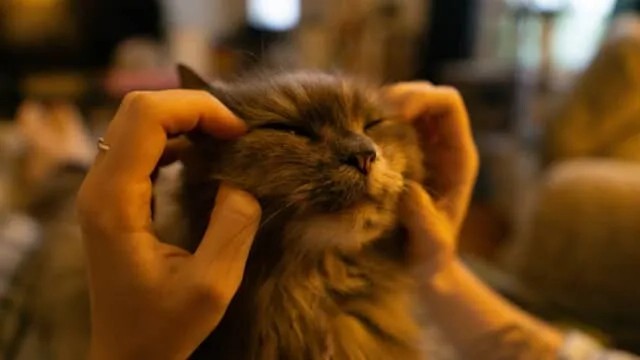
Cat grooming refers to the regular care and maintenance of your cat’s coat, nails, ears, teeth, and overall hygiene. While cats naturally groom themselves, they often need additional help from their owners to maintain optimal health, especially long-haired or older cats.
Why Cat Grooming Is Important
Regular grooming offers several key benefits:
- Healthy Coat and Skin: Brushing removes loose hair, prevents tangles, and distributes natural oils for a shiny, soft coat.
- Prevents Hairballs: Frequent brushing reduces the amount of hair your cat swallows while self-grooming.
- Early Detection of Health Issues: Grooming sessions help you notice lumps, bumps, parasites, or skin irritation early.
- Reduced Shedding: Regular brushing minimizes hair around the house and keeps allergies in check.
- Bonding Time: Grooming strengthens your relationship with your cat and builds trust.
Even a few minutes a day can make a big difference in your cat’s comfort and long-term health. By understanding what cat grooming involves and why it matters, you can create a routine that keeps your feline friend clean, happy, and thriving. 🐱✨
Essential Cat Grooming Tools
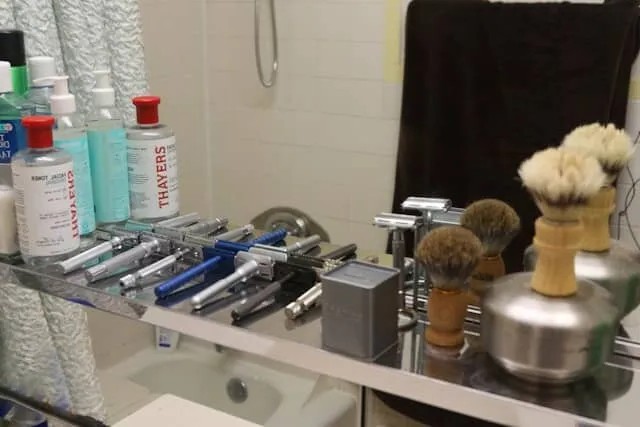
Having the right cat grooming tools makes grooming easier, safer, and more enjoyable for both you and your cat. Using improper tools can stress your cat, cause discomfort, or even damage their coat and skin.
Brushes and Combs for Different Coat Types
- Slicker Brush: Great for removing loose fur and preventing tangles in long-haired cats.
- Bristle Brush: Ideal for short-haired cats to remove dirt and distribute natural oils.
- Wide-Tooth Comb: Helps detangle mats and smooth out longer fur gently.
- Flea Comb: Detects and removes fleas or flea dirt.
Nail Clippers and Trimmers
- Use cat-specific nail clippers for safety.
- Trim only the tip to avoid cutting the quick and causing pain.
Grooming Gloves and Pads
- Useful for cats who dislike brushes.
- Gently removes loose hair while petting your cat.
Ear and Eye Care Tools
- Cotton balls or pads: Clean ears gently.
- Cat-safe wipes: Remove tear stains or debris around eyes.
Optional Tools
- Scissors: Only for carefully trimming mats or hair around sensitive areas.
- Shampoo and Conditioner: Use only cat-safe products when bathing.
Having these essential tools on hand ensures you can maintain your cat’s hygiene effectively, prevent matting, and reduce stress during grooming sessions. Proper tools are the foundation of a safe and successful cat grooming routine. 🐾🛁
Step-by-Step Cat Grooming Routine
A consistent grooming routine keeps your cat healthy, reduces shedding, and prevents matting. Following a step-by-step process makes grooming easier and stress-free for both you and your cat.
1. Brushing Your Cat Properly
- Frequency: Short-haired cats: 1–2 times per week; Long-haired cats: daily.
- Technique: Brush in the direction of hair growth using gentle, short strokes. Start with a soft bristle brush and follow with a comb for tangles.
- Tip: Make brushing a calm bonding session—reward your cat with treats or gentle petting.
2. Bathing a Cat Safely
- When Needed: Only if the cat is very dirty, has a skin condition, or the vet recommends it. Most cats rarely need baths.
- Products: Use cat-safe shampoo; avoid human or dog shampoos.
- Technique: Fill a sink or tub with a few inches of lukewarm water. Wet the cat slowly, lather gently, and rinse thoroughly. Keep the head dry if your cat is nervous.
- Drying: Wrap in a soft towel and pat dry. Use a hairdryer only on the lowest, coolest setting if necessary.
3. Nail Trimming
- Tools: Cat-specific nail clippers.
- Technique: Press gently on the paw to extend claws. Trim only the pointed tip, avoiding the pink quick to prevent bleeding.
- Frequency: Every 2–3 weeks or as needed.
4. Ear and Eye Cleaning
- Ears: Use a cotton ball or pad with a cat-safe ear cleaner. Wipe gently without inserting anything deep into the ear canal.
- Eyes: Remove debris or tear stains with a soft, damp cloth or cat-safe wipe.
5. Teeth and Oral Care (Optional but Recommended)
- Brushing: Use a cat toothbrush and toothpaste.
- Frequency: Ideally 2–3 times a week to prevent tartar and bad breath.
6. Check for Health Issues
During each grooming session, inspect your cat for:
- Skin irritation, redness, or parasites
- Unusual lumps or bumps
- Excessive shedding or bald patches
Following this step-by-step routine ensures your cat stays healthy, comfortable, and looking its best, while also strengthening the bond between you and your feline friend. 🐱🛁✨EXTRA -YOU CAN READ ABOUT CAT NUTRITION BY VISIT MY BLOG
Grooming Tips for Kittens vs Adult Cats
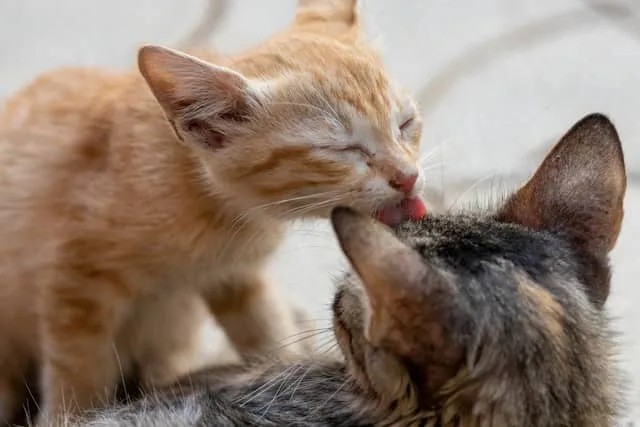
Grooming needs differ depending on your cat’s age. Understanding these differences helps create a safe, stress-free experience while teaching good habits early.
Grooming Kittens
- Start Slowly: Introduce brushing and gentle handling in short, positive sessions.
- Use Soft Brushes: Soft bristle brushes or grooming gloves are ideal for delicate kitten fur.
- Positive Reinforcement: Reward with treats and gentle praise to create a happy association.
- Nail Introduction: Get kittens accustomed to having paws handled before trimming nails.
- Bathing: Rarely needed; only use cat-safe shampoo if absolutely necessary.
Grooming Adult Cats
- Routine Matters: Adults benefit from a consistent grooming schedule to prevent mats and shedding issues.
- Coat Type Awareness: Long-haired adults may need daily brushing; short-haired cats usually need a few sessions per week.
- Address Behavioral Challenges: Some adult cats may resist grooming. Patience, slow movements, and using grooming gloves help reduce stress.
- Professional Help: For adults with severe mats or older cats with mobility issues, a professional groomer may be needed.
Key Differences
| Feature | Kittens | Adult Cats |
|---|---|---|
| Brush Type | Soft bristle/glove | Slicker, comb, bristle |
| Session Length | Short (1–3 min) | Longer (5–15 min) |
| Nail Handling | Gentle introduction | Regular trimming required |
| Tolerance | Learning phase | May resist if not accustomed |
| Bathing | Rare | Only when necessary or vet-recommended |
Starting grooming early builds trust and makes adult cat grooming easier, ensuring a happy, clean, and healthy feline for life. 🐾✨
Common Cat Grooming Mistakes to Avoid
Even well-meaning cat owners can make mistakes that stress their cats or reduce the effectiveness of grooming. Being aware of these common pitfalls helps ensure your cat stays safe, healthy, and comfortable.
1. Over-Bathing Your Cat
- Cats are naturally clean and rarely need baths.
- Too frequent bathing can strip natural oils, causing dry skin and coat issues.
2. Using Human or Dog Products
- Shampoos for humans or dogs can irritate a cat’s sensitive skin.
- Always use cat-specific grooming products.
3. Brushing Too Aggressively
- Pulling tangles or mats too hard can hurt your cat and make them resistant to grooming.
- Use gentle, patient strokes and detangle slowly with a comb or mat splitter.
4. Ignoring Nail Care
- Overgrown nails can cause pain, infections, or damage furniture.
- Trim nails regularly but avoid cutting the quick.
5. Neglecting Ear and Eye Cleaning
- Dirt, wax buildup, or tear stains can lead to infections if ignored.
- Clean ears and eyes gently with cat-safe products.
6. Skipping Grooming Sessions for Long-Haired Cats
- Long-haired cats require regular brushing to prevent mats and hairballs.
- Infrequent grooming can lead to painful tangles and skin problems.
7. Rushing the Grooming Process
- Stressful sessions can create fear or aggression toward grooming.
- Break sessions into short, calm intervals and reward with treats or petting.
8. Not Observing Health Issues During Grooming
- Grooming is a chance to spot early signs of lumps, parasites, or skin problems.
- Ignoring these signs can delay treatment and worsen health outcomes.
By avoiding these common mistakes, you ensure grooming is a safe, effective, and enjoyable routine that supports your cat’s long-term health and happiness. 🐱✨
you can read more about Common Cat Grooming Mistakes to Avoid by visit this site
When to Consider Professional Cat Grooming
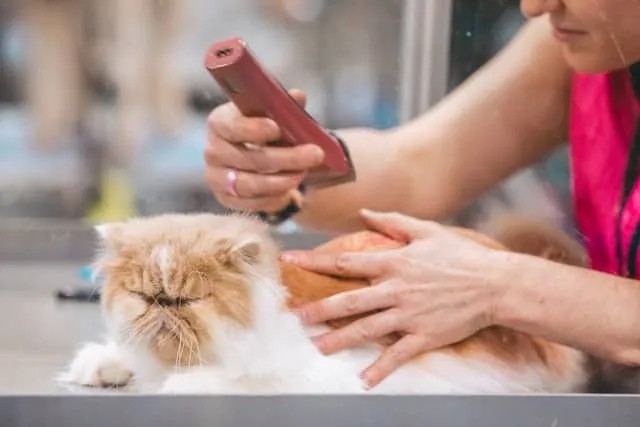
While many aspects of cat grooming can be handled at home, there are times when a professional groomer or veterinarian is the safer and more effective choice. Knowing when to seek help ensures your cat stays healthy, comfortable, and stress-free.
1. Severe Matting and Tangles
- Long-haired cats can develop mats that are too tight or painful to remove at home.
- Professional groomers have specialized tools and experience to safely detangle or trim matted fur without injuring the cat.
2. Senior or Ill Cats
- Older cats or cats with mobility issues may resist brushing or bathing.
- Professionals know gentle techniques and safe handling to reduce stress or risk of injury.
3. Difficult Temperaments
- Some cats are nervous, aggressive, or highly sensitive to touch.
- Groomers are trained in calming techniques and know how to work safely with challenging cats.
4. Specialized Grooming Needs
- Haircuts for very long-haired breeds (e.g., Persians, Maine Coons)
- Medical grooming for skin conditions, wounds, or post-surgery care
- Professional nail trimming or ear cleaning for cats prone to injury
5. Time Constraints
- Busy owners may prefer periodic professional grooming sessions to maintain coat health.
- Professionals can perform baths, trims, and thorough grooming efficiently and safely.
Tip: Finding a Professional Groomer
- Look for certified cat groomers or grooming salons with experience in feline care.
- Ask about techniques, handling practices, and safety protocols.
- Ensure the groomer uses cat-safe products and approaches grooming stress-free.
Professional grooming is not a sign of neglect—it’s a way to provide expert care for your cat’s health, comfort, and appearance, especially when home grooming isn’t enough. 🐱✂️✨
Conclusion & Call-to-Action
Regular cat grooming is more than just keeping your cat looking neat—it’s a key part of their overall health, comfort, and happiness. From brushing and bathing to nail trimming and ear care, consistent grooming helps prevent mats, hairballs, and skin issues while giving you the chance to spot early signs of health problems.
Creating a calm, stress-free grooming routine strengthens your bond with your feline friend and makes each session an enjoyable experience for both of you. Whether you handle it at home or occasionally seek professional help, grooming is an essential step in ensuring your cat thrives.
🐾 Take Action Today:
Start building a simple grooming routine tailored to your cat’s coat and personality. Gather the right tools, schedule regular sessions, and reward your cat with treats and affection. A few minutes of care each week leads to a lifetime of health, comfort, and happy purrs! 🐱✨