


Table of Contents
Cat nutrition is the foundation of a long, healthy, and active life for your feline companion. What your cat eats directly affects everything from energy levels and digestion to coat shine, immune strength, and overall behavior. Unlike many other pets, cats have very specific dietary needs that must be met to keep them thriving.
Many cat owners unknowingly make feeding mistakes by choosing low-quality food, overfeeding, or ignoring age-specific nutritional requirements. Understanding the basics of cat nutrition helps you make smarter food choices, prevent common health issues, and support your cat at every life stage.
In this guide, we will break down the essentials of cat nutrition in a simple, practical way so you can confidently feed your cat a balanced diet that supports lifelong health and happiness. 🐱🥣
Understanding Cat Nutrition
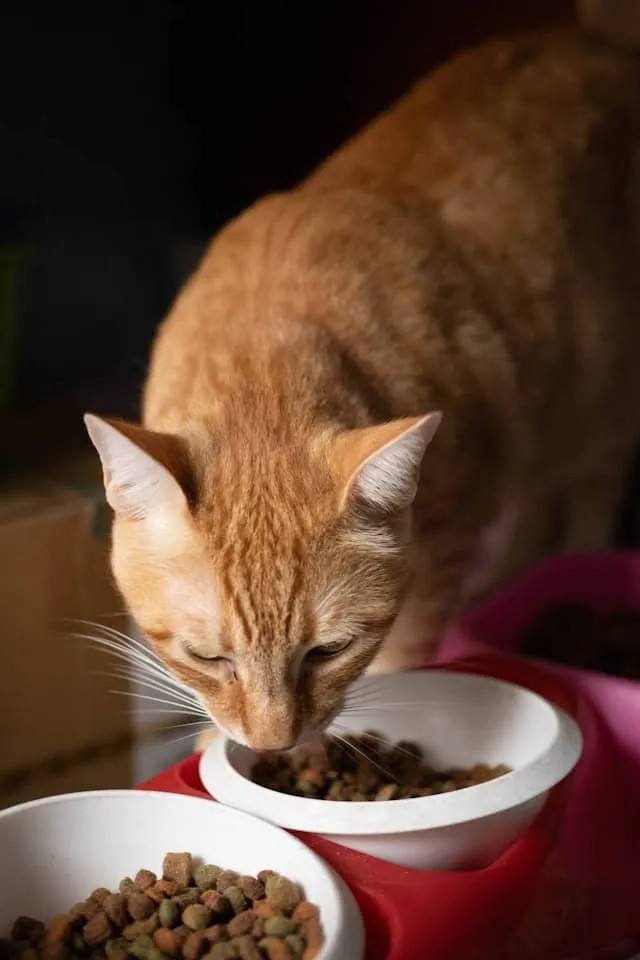
Cat nutrition is unique because cats are obligate carnivores, meaning their bodies are designed to get most of their nutrients from animal-based proteins. Unlike dogs or humans, cats cannot thrive on plant-heavy diets. Every meal should support their natural biological needs.
Why Cat Nutrition Is Different
Cats require specific nutrients that are only found in animal sources, such as taurine, arachidonic acid, and vitamin A. Without these, cats can develop serious health problems affecting their heart, vision, skin, and immune system.
Essential Nutrients in Cat Nutrition
A balanced cat diet should include:
- High-quality protein to support muscle, growth, and energy
- Healthy fats for skin health, brain function, and coat shine
- Vitamins and minerals to strengthen immunity and bone health
- Water to support kidney function and prevent urinary issues
Wet Food vs Dry Food
Both wet and dry foods can play a role in proper cat nutrition.
- Wet food helps with hydration and is easier to digest
- Dry food is convenient and supports dental health when used correctly
Many veterinarians recommend a mix of both to create a well-balanced feeding routine.
Life-Stage Nutrition Matters
Cat nutrition should change as your cat grows:
- Kittens need more protein and calories for development
- Adult cats require balanced maintenance nutrition
- Senior cats benefit from diets that support joints and digestion
By understanding the basics of cat nutrition, you can make informed feeding choices that help your cat stay healthy, active, and comfortable at every stage of life. 🐾
EXTRA-YOU CAN READ ABOUT Cat grooming BY VISIT MY BLOG
Choosing the Right Food for Your Cat
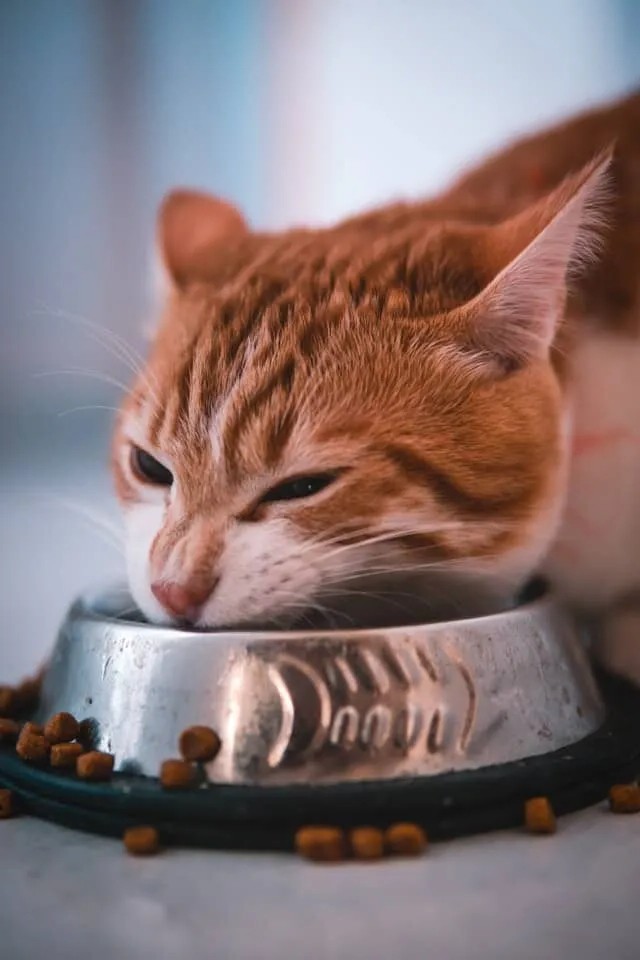
Choosing the right food is one of the most important parts of cat nutrition. The right diet fuels your cat’s energy, supports long-term health, and keeps that whiskered attitude sharp and shiny.
Read the Ingredient List First
Always check the first few ingredients on the label.
- Look for real meat like chicken, turkey, salmon, or beef
- Avoid foods where fillers (corn, wheat, soy) dominate the list
- Animal protein should always come before grains or vegetables
Complete and Balanced Nutrition
Make sure the food is labeled “complete and balanced” by AAFCO standards. This ensures your cat is getting all essential nutrients, not just calories.
Wet Food vs Dry Food: Which Is Better?
Both have benefits, and the best choice often depends on your cat:
- Wet food supports hydration and urinary health
- Dry food is convenient and can help with dental cleanliness
Many cat owners choose a combination feeding approach for balanced cat nutrition.
Match Food to Your Cat’s Life Stage
Your cat’s age matters when choosing food:
- Kittens need high-calorie, high-protein formulas
- Adult cats need maintenance diets to stay lean and healthy
- Senior cats benefit from gentle, easily digestible nutrition
Special Dietary Needs
Some cats need specialized diets due to:
- Food allergies or sensitivities
- Weight management
- Kidney or urinary health issues
In these cases, veterinarian-recommended diets are the safest choice.
Observe and Adjust
After switching foods, watch your cat’s:
- Energy levels
- Coat condition
- Litter box habits
Healthy digestion and a glossy coat are signs you’ve chosen the right food.
Selecting the right food is not about trends, it’s about smart, consistent cat nutrition that supports a long, comfortable, and happy feline life. 🐱🥣
Feeding Guidelines and Portion Control

Proper feeding guidelines and portion control are the quiet heroes of healthy cat nutrition. Too much food turns a graceful hunter into a couch philosopher. Too little, and energy fades. Balance keeps the paws light and the purr steady.
How Much Should You Feed Your Cat?
The right portion depends on several factors:
- Age (kitten, adult, senior)
- Weight and body condition
- Activity level
- Type of food (wet vs dry)
Always start with the feeding chart on the food package, then adjust based on your cat’s real-world behavior and body shape.
General Portion Guidelines
These are rough daily estimates for an average adult cat:
- Dry food: ¼ to ½ cup per day
- Wet food: 2 to 3 small cans per day
Split meals into 2–3 feedings to support digestion and prevent overeating.
Free Feeding vs Scheduled Meals
- Free feeding (food available all day) may lead to obesity
- Scheduled feeding helps control portions and monitor appetite
For most cats, scheduled meals are the healthier choice.
Measuring Portions Accurately
Guessing leads to overfeeding. Use:
- A proper measuring cup for dry food
- A kitchen scale for precision if needed
Even small daily extras add up over time.
Treats and Extras
Treats should make up no more than 10% of daily calories.
- Choose protein-based treats
- Avoid feeding table scraps or human food
Treats are rewards, not meals.
Monitor Body Condition
A healthy cat should:
- Have a visible waist when viewed from above
- Have ribs you can feel but not see
If weight changes occur, adjust portions gradually.
When to Ask a Veterinarian
Consult a vet if your cat:
- Gains or loses weight unexpectedly
- Begs constantly despite proper feeding
- Has medical conditions affecting appetite
Smart portion control supports long-term cat nutrition, helping your cat stay agile, satisfied, and ready for the next sunbeam nap. 🐾🍽️
Special Diets and Health Considerations
Not all cats thrive on the same bowl of food. Some need carefully tailored cat nutrition plans to stay healthy, comfortable, and active. Special diets act like quiet guardians, supporting the body where it needs extra care.
When Does a Cat Need a Special Diet?
A veterinarian may recommend a special diet if your cat has:
- Food allergies or sensitivities
- Obesity or sudden weight changes
- Diabetes
- Kidney or urinary tract issues
- Digestive disorders
- Dental problems
- Senior-age nutritional needs
These diets are not trends. They are tools for better health.
Weight Management Diets
For overweight or low-activity cats:
- Lower calorie formulas
- Higher fiber content for fullness
- Controlled fat levels
Portion control remains essential, even with diet food.
Hypoallergenic and Limited-Ingredient Diets
Ideal for cats with food allergies:
- Single protein sources
- Fewer additives
- Easier digestion
Symptoms like itching, vomiting, or diarrhea may improve with the right formula.
Kidney and Urinary Care Diets
Common in senior cats:
- Reduced phosphorus
- Controlled protein levels
- Added moisture support
Wet food is often recommended to increase water intake.
Diabetic-Friendly Diets
These diets focus on:
- High protein
- Low carbohydrates
- Consistent meal timing
Strict feeding schedules help maintain stable blood sugar levels.
Senior Cat Nutrition Needs
Older cats benefit from:
- Easily digestible proteins
- Joint-support nutrients
- Antioxidants for immune health
Regular health checks ensure the diet still fits their changing needs.
Prescription Diets: Use with Care
Prescription diets should:
- Only be used under veterinary guidance
- Not be mixed with regular food unless advised
They are medical nutrition, not general food.
Avoid Self-Diagnosing Diet Changes
Switching foods without guidance can worsen health issues. Always consult a vet before starting a special diet.
The right special diet supports your cat quietly, meal by meal, building strength, comfort, and long-term wellness from the inside out. 🐱🥣
Foods to Avoid in Cat Nutrition
Cats are curious, confident, and completely unaware that some human foods are tiny nutritional landmines. A strong cat nutrition plan is not only about what to feed, but also what to keep far from curious paws and whiskers.
Toxic Foods for Cats
These foods should never be given, even in small amounts:
- Onions, garlic, leeks, chives – damage red blood cells
- Chocolate and caffeine – affect the heart and nervous system
- Alcohol – extremely dangerous, even a few drops
- Grapes and raisins – can cause sudden kidney failure
Dairy Products
Despite the cartoon myth:
- Most cats are lactose intolerant
- Milk, cheese, and cream can cause diarrhea and stomach pain
If offering dairy, use only vet-approved cat milk.
Raw or Undercooked Foods
Avoid feeding:
- Raw eggs
- Raw meat or fish
These can contain harmful bacteria and enzymes that block vitamin absorption.
Fish and Tuna Overuse
Occasional fish is fine, but too much can lead to:
- Nutritional imbalance
- Mercury exposure
- Vitamin E deficiency
Canned tuna for humans should never replace proper cat food.
Bones and Fat Trimmings
- Cooked bones can splinter and cause choking
- Fat trimmings may lead to pancreatitis
Salty, Sugary, and Spicy Foods
Cats do not process:
- High salt snacks
- Sugary treats
- Spicy or seasoned foods
These can stress organs and upset digestion.
Artificial Sweeteners
- Xylitol is extremely toxic to pets
- Found in gum, candy, and some baked goods
Always check ingredient labels.
Plants and Herbs to Avoid
Common household dangers include:
- Lilies (highly toxic)
- Aloe vera
- Certain decorative plants
Food safety extends beyond the bowl.
Safe Rule to Remember
If a food is not made for cats, assume it is unsafe unless a vet says otherwise.
Protecting your cat’s health often starts with a closed pantry door and informed choices. A clean diet today means fewer vet visits tomorrow. 🐾🥗
you can read more about Foods to Avoid in Cat Nutrition by visit this site
Conclusion & Call-to-Action
Good cat nutrition is the quiet architect behind a healthy, energetic, and content cat. From choosing the right food and portions to avoiding harmful ingredients, every feeding decision shapes your cat’s long-term wellbeing. Small, consistent choices add up to stronger immunity, better digestion, and that unmistakable glossy coat.
Your next step is simple:
- Review your cat’s current diet
- Read food labels more carefully
- Remove unsafe foods from reach
- Adjust portions based on age, weight, and activity level
If you’re unsure, partner with a veterinarian to create a nutrition plan tailored to your cat’s unique needs.
🐱 Take action today: start feeding smarter, not just fuller. A healthier bowl now means more purrs, play, and years of companionship ahead.