
Your pet’s smile does more than charm the room. It quietly reflects their overall health. Dental problems in pets often start small, a little plaque here, mild bad breath there, then grow into painful infections that affect the heart, kidneys, and quality of life. The tricky part is that pets rarely show discomfort until the issue is advanced.
That’s why learning dental health tips for pets is not just about fresh breath. It’s about prevention, comfort, and longevity. From daily brushing habits to smart food choices and timely vet care, a few simple steps can protect your pet from serious oral disease.
Whether you share your home with a playful puppy, a curious cat, or a senior companion, this guide will walk you through practical, vet-approved ways to keep their teeth strong and gums healthy. A healthier mouth means a happier, more energetic pet, and fewer surprises at the vet’s office 🐾🦷
Why Dental Health Tips for Pets Are Essential

Dental care is often overlooked until a problem becomes impossible to ignore, but your pet’s mouth is a gateway to their entire body. Without proper care, plaque hardens into tartar, bacteria settle below the gumline, and inflammation quietly spreads. What begins as bad breath can turn into gum disease, tooth loss, and chronic pain.
Following dental health tips for pets helps prevent these issues before they take root. Healthy teeth allow pets to eat comfortably, maintain proper nutrition, and avoid infections that can travel from the mouth to vital organs like the heart, liver, and kidneys. In fact, untreated dental disease is one of the most common health conditions diagnosed by veterinarians in both dogs and cats.
Regular dental care also saves money and stress in the long run. Preventive routines such as brushing, dental-friendly diets, and routine vet checkups reduce the need for costly procedures and anesthesia later. Most importantly, good oral hygiene keeps your pet comfortable, active, and truly able to enjoy life, from chewing favorite toys to savoring every meal 🐶🦷
Daily Dental Health Tips for Pets
Consistency is the secret ingredient when it comes to pet dental care. A few minutes each day can dramatically reduce plaque buildup and prevent painful dental diseases down the road. These daily dental health tips for pets are simple, practical, and easy to fit into your routine.
Start with daily tooth brushing whenever possible. Use a soft-bristled pet toothbrush or finger brush along with vet-approved toothpaste. Even gentle brushing helps remove bacteria before it hardens into tartar. If daily brushing feels overwhelming, aim for at least three to four times a week and build up gradually.
Dental-friendly chews and toys are another powerful daily tool. They encourage natural chewing behavior while helping scrape away plaque and massage the gums. Look for products approved by veterinary dental organizations to ensure they are safe and effective.
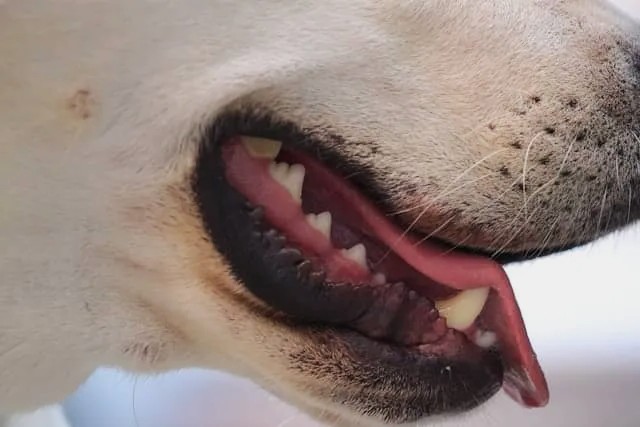
Don’t forget to check your pet’s mouth regularly. A quick look at the gums and teeth can reveal early warning signs like redness, swelling, or unusual odors. Catching problems early makes treatment easier and less stressful for both you and your pet.
Finally, support dental health through everyday habits. Provide fresh water at all times, avoid sugary human foods, and stick to a balanced diet designed for pets. Small daily actions add up to healthier teeth, fresher breath, and a happier companion
Diet and Chews That Support Dental Health

What your pet eats does more than fill their belly—it shapes their mouth’s ecosystem. The right foods and chewing habits can actively reduce plaque, stimulate gums, and promote cleaner teeth. When paired with consistent brushing and vet care, smart nutrition becomes a cornerstone of powerful dental health tips for pets.
: Dental Treats vs. Regular Treats
Not all treats are created equal. Dental treats are specially designed to reduce tartar and plaque buildup as your pet chews. They often have textures that gently scrub teeth and include ingredients that support oral health. Regular treats, especially soft or sugary ones, may leave residue that feeds harmful bacteria. Choosing treats with dental benefits means every reward also contributes to a cleaner mouth.
: Foods That Promote Strong Teeth and Gums
Kibble with a texture formulated to clean as it breaks can help minimize buildup. Some pet foods incorporate ingredients like zinc and antioxidants that support gum health from the inside out. For pets with specific needs, dental-specific diets approved by vets can make a noticeable difference in oral hygiene.
Chews and bones (vet-approved and size-appropriate) support natural chewing instincts while mechanically cleaning teeth. Always avoid hard bones that can fracture teeth, and supervise chew time. Pairing purposeful nutrition with daily brushing habits creates a holistic, mouth-friendly routine that keeps dental disease at bay and keeps your pet chewing with comfort and confidence
Professional Dental Care and Vet Checkups

Even the most diligent at-home routine has its limits. Professional dental care fills in the gaps, catching issues that brushing and chews can’t reach. Regular vet checkups are a vital part of long-term dental health tips for pets, helping prevent minor concerns from turning into serious medical problems.
: How Often Pets Need Professional Dental Cleanings
Most pets benefit from a professional dental exam at least once a year, though some breeds and older pets may need cleanings more often. During these visits, veterinarians can safely remove tartar below the gumline, polish teeth, and assess for hidden issues like loose teeth or early infections. These cleanings are typically done under anesthesia to ensure a thorough and pain-free process.
: Warning Signs That Require a Vet Visit
Certain symptoms should never be ignored. Persistent bad breath, bleeding or swollen gums, yellow or brown buildup on teeth, drooling, or difficulty eating all signal potential dental disease. Changes in behavior, such as irritability or reduced appetite, can also indicate oral pain. Prompt veterinary attention not only relieves discomfort but can prevent bacteria from spreading to other parts of the body.
By combining professional care with daily home habits, you give your pet the best defense against dental disease. Think of vet checkups as routine maintenance for your pet’s health, a proactive step that protects their smile and their overall well-being
you can read more about Professional Dental Care and Vet Checkups by visit this site
Dental Health Tips for Pets by Age

Just like people, pets have different dental needs at every stage of life. Tailoring your approach based on age makes dental care more effective and less stressful. These age-specific dental health tips for pets help protect teeth and gums from the first baby tooth to the golden years.
: Puppies and Kittens
Early dental care sets the tone for lifelong oral health. Begin gently handling your pet’s mouth while they are young so brushing feels normal rather than threatening. Use soft brushes and puppy or kitten-safe toothpaste, and keep sessions short and positive. This is also the time to monitor teething, remove damaged chew toys, and schedule early vet checkups to ensure teeth are developing properly.
: Adult Pets
Adult pets need consistency. Regular brushing, dental chews, and annual vet exams help control plaque before it turns into periodontal disease. Active chewers may benefit from dental toys, while pets prone to buildup might need more frequent professional cleanings. Staying proactive during adulthood prevents painful dental issues later on.
: Senior Pets
As pets age, dental problems become more common and more impactful. Tooth loss, gum recession, and infections can affect appetite and energy levels. Senior pets often need gentler brushing tools, softer dental chews, and closer veterinary monitoring. Addressing dental pain promptly helps maintain comfort, mobility, and overall quality of life.
By adjusting dental care routines as your pet grows, you create a supportive, lifelong system that protects their health, comfort, and happy grin at every age
Conclusion & Call-to-Action
Healthy teeth are not a luxury for pets. They are a foundation for a longer, more comfortable life. From daily brushing and smart food choices to age-appropriate chews and regular vet visits, small habits make a powerful difference. Consistently following these dental health tips for pets helps prevent pain, illness, and costly treatments while keeping your companion active and joyful.
Now is the perfect time to take action. Start with one simple step today, whether it’s introducing a toothbrush, upgrading to dental-friendly treats, or scheduling a vet dental checkup. Your pet depends on you for their care, and a healthier smile is one of the greatest gifts you can give them.
If you found this guide helpful, share it with fellow pet owners and talk to your veterinarian about the best dental care plan for your furry friend. A brighter smile means a happier, healthier pet for years to come
EXREA – you can read about Kitten care essentials by visit my article