
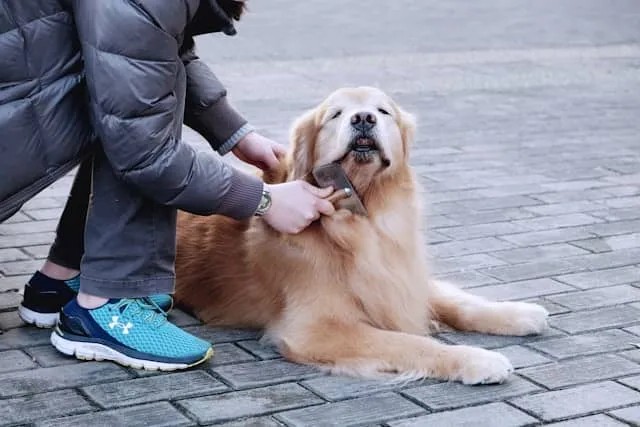
Table of Contents
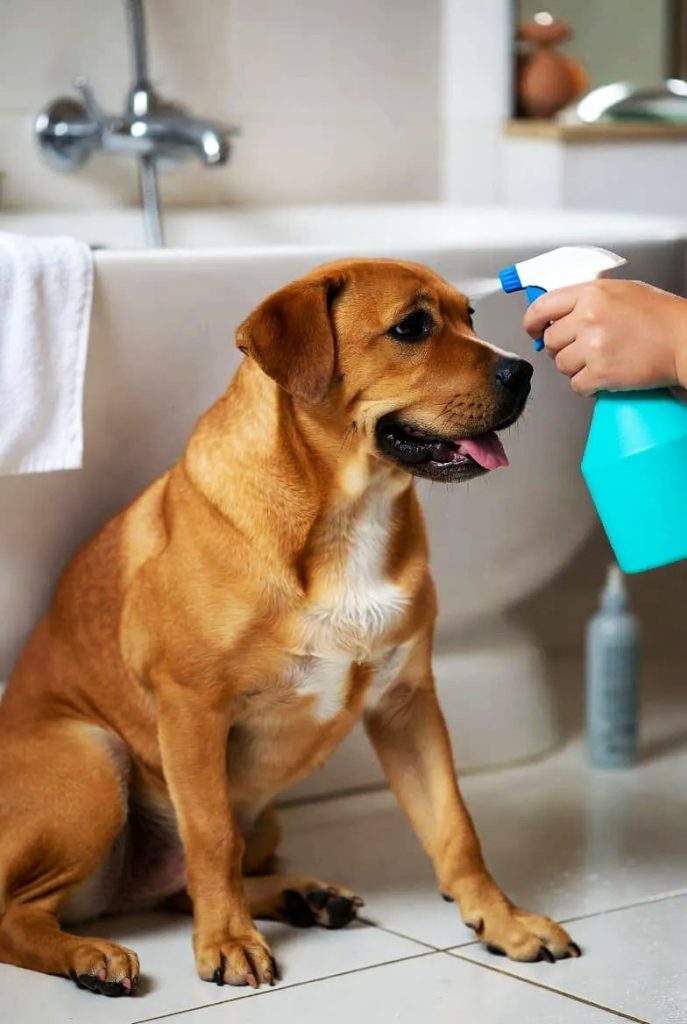
Dog grooming and hygiene are essential parts of responsible pet ownership, yet many dog owners overlook their importance beyond appearance. Proper grooming keeps your dog clean, comfortable, and protected from common health issues such as skin infections, parasites, and unpleasant odors. It also allows pet owners to spot early signs of problems like lumps, rashes, or ear infections before they become serious.
Whether you have a playful puppy or a senior dog, maintaining good dog grooming and hygiene helps improve your pet’s overall well-being and quality of life. From regular brushing and bathing to nail, ear, and dental care, this guide will help you understand how simple grooming habits can make a big difference in keeping your dog happy, healthy, and full of energy.
Why Dog Grooming and Hygiene Are Essential
Dog grooming and hygiene are not just about keeping your dog looking neat. They are critical for maintaining your pet’s physical health, emotional comfort, and overall quality of life. Regular grooming routines help prevent many common health problems while making daily life easier for both dogs and their owners.
Prevents Skin Problems and Infections
Proper dog grooming and hygiene remove dirt, dead hair, and bacteria from the coat and skin. Regular brushing and bathing help prevent issues such as rashes, hot spots, fungal infections, and flea or tick infestations. Clean skin also allows natural oils to work effectively, keeping the coat healthy and shiny.
Supports Early Health Detection
Routine grooming gives you the chance to closely examine your dog’s body. You can spot lumps, cuts, swelling, ear infections, or unusual odors early, making it easier to seek veterinary care before small problems become serious.
Improves Comfort and Behavior
Matted fur, overgrown nails, and dirty ears can cause discomfort and pain. Dogs that feel uncomfortable may become anxious, irritable, or less active. Consistent dog grooming and hygiene help your dog move freely, rest comfortably, and stay relaxed.
Reduces Shedding and Keeps Your Home Clean
Regular brushing removes loose fur before it ends up on your furniture and clothes. Clean dogs also bring less dirt, dander, and odor into your home, creating a healthier environment for everyone.
Strengthens the Bond Between You and Your Dog
Grooming sessions create quiet, positive moments of interaction. When done gently and consistently, dog grooming and hygiene routines build trust, reduce stress, and strengthen the emotional connection between you and your pet.
EXTRA YOU CAN GET INFORMATION ABOUT Basic Dog Care Tips BY VISIT MY BLOG
Basic Dog Grooming and Hygiene Routine
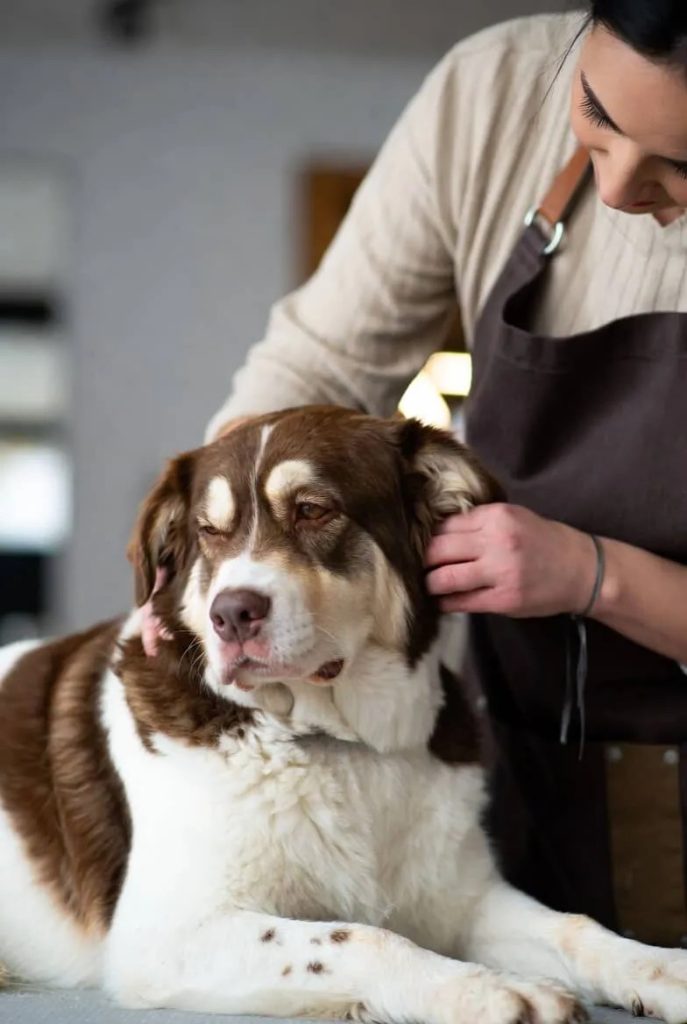
A consistent dog grooming and hygiene routine keeps your dog clean, healthy, and comfortable. The key is simplicity and regular care rather than occasional heavy grooming. By following these basic steps, you can maintain your dog’s hygiene at home with minimal stress.
Bathing Your Dog Properly
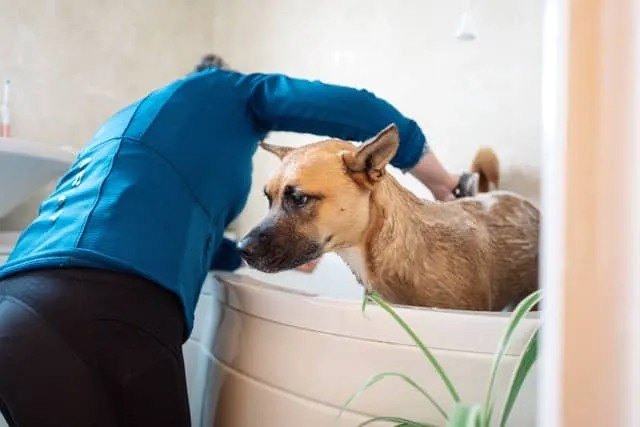
Bathing helps remove dirt, allergens, and odor from your dog’s coat. Most dogs only need a bath every 4 to 6 weeks, though active dogs or certain breeds may require more frequent washing. Always use a dog-specific shampoo to protect your dog’s skin and avoid dryness or irritation. Rinse thoroughly to prevent residue that can cause itching.
Brushing for Coat Health
Brushing is one of the most important parts of dog grooming and hygiene. It removes loose fur, prevents matting, and spreads natural oils across the coat. Short-haired dogs usually need brushing once or twice a week, while long-haired or curly-coated breeds benefit from daily brushing.
Nail Trimming and Paw Care
Overgrown nails can cause pain, posture problems, and difficulty walking. Trim your dog’s nails every 3 to 4 weeks using proper pet nail clippers. During trimming, check your dog’s paws for cuts, cracks, or debris that could lead to infection.
Ear Cleaning for Hygiene
Regular ear cleaning helps prevent wax buildup and ear infections, especially in dogs with floppy ears. Use a vet-approved ear cleaner and gently wipe the outer ear. Avoid inserting anything deep into the ear canal, as this can cause injury.
Dental Care as Part of Grooming
Dental hygiene is often overlooked but is a crucial part of dog grooming and hygiene. Brush your dog’s teeth two to three times a week using dog-safe toothpaste. This helps prevent plaque buildup, gum disease, and bad breath.
Advanced Dog Grooming and Hygiene Practices
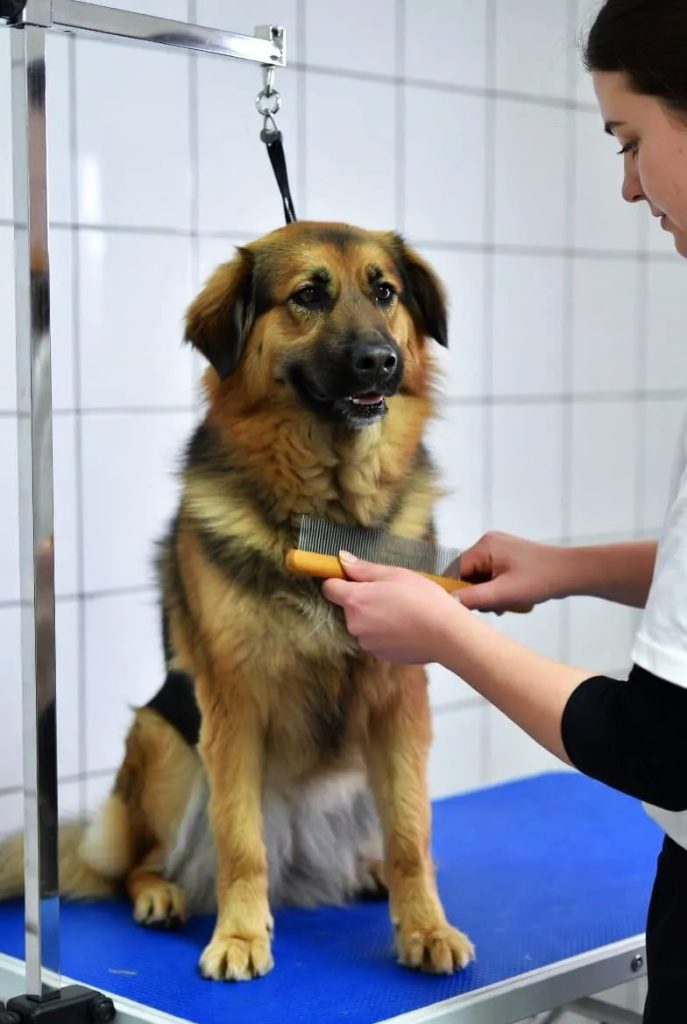
Once you’ve mastered the basics, advanced dog grooming and hygiene practices help take your dog’s care to the next level. These steps focus on prevention, comfort, and long-term health, especially for dogs with specific coat types, skin sensitivities, or lifestyle needs.
Coat Trimming and De-Shedding
Regular coat trimming keeps your dog comfortable, especially in warmer climates. Long-haired breeds benefit from professional or at-home trimming to prevent matting and overheating. De-shedding tools are useful for double-coated dogs, helping reduce loose fur while protecting the healthy undercoat.
Anal Gland Awareness and Care
Some dogs may experience discomfort due to full anal glands, which can cause scooting or excessive licking. While many dogs naturally express their glands, others may need professional assistance from a groomer or veterinarian. Proper dog grooming and hygiene include recognizing the signs and seeking safe, professional care when needed.
Skin and Coat Treatments
Advanced dog grooming and hygiene may involve medicated shampoos, conditioning treatments, or moisturizing sprays recommended by a veterinarian. These treatments help manage dry skin, allergies, dandruff, or minor skin conditions while keeping the coat soft and healthy.
Eye Cleaning and Tear Stain Control
Certain breeds are prone to tear stains and eye discharge. Gently cleaning around the eyes with a soft, damp cloth helps prevent buildup and irritation. Regular eye care supports better hygiene and keeps your dog’s face clean and comfortable.
Parasite Prevention Through Grooming
Routine grooming makes it easier to spot fleas, ticks, or signs of mites early. Using flea combs and checking common hiding spots like behind the ears and under the legs are essential advanced dog grooming and hygiene practices that help protect your dog from infestations.
Common Dog Grooming and Hygiene Mistakes to Avoid
Even well-meaning dog owners can make grooming mistakes that affect their pet’s health and comfort. Understanding these common dog grooming and hygiene errors helps you keep your routine safe, effective, and stress-free.
Using Human Products on Dogs
One of the most common mistakes is using human shampoo, soap, or toothpaste on dogs. Human products can disrupt a dog’s skin pH, causing dryness, irritation, and allergic reactions. Always choose products specifically designed for dog grooming and hygiene.
Over-Bathing Your Dog
Bathing too frequently can strip away natural oils that protect your dog’s skin and coat. This often leads to dryness, itching, and dull fur. Stick to a balanced bathing schedule based on your dog’s breed, coat type, and activity level.
Ignoring Dental Hygiene
Many dog owners focus on coat care while neglecting dental health. Poor oral hygiene can lead to bad breath, gum disease, and serious health problems. Dental care should always be part of a complete dog grooming and hygiene routine.
Skipping Ear and Paw Care
Ears and paws are often overlooked during grooming. Dirty ears can lead to infections, while unchecked paws may hide cuts, cracks, or embedded debris. Regular inspection and cleaning are essential for full hygiene care.
Cutting Nails Too Short
Trimming nails too close to the quick can cause pain and bleeding, making dogs fearful of future grooming sessions. Use proper tools, trim slowly, and stop if you’re unsure.
Waiting Until Problems Appear
Only grooming when your dog looks dirty is a major mistake. Consistent dog grooming and hygiene prevent problems before they start, keeping your dog healthier and more comfortable year-round.
you can red more about Common Dog Grooming and Hygiene Mistakes to Avoid by visit this site
Conclusion & Call-to-Action
Dog grooming and hygiene are more than routine tasks. They are essential habits that protect your dog’s health, comfort, and happiness. From regular brushing and bathing to advanced care like dental hygiene and skin treatments, a consistent grooming routine helps prevent common health issues and strengthens the bond between you and your dog.
By making dog grooming and hygiene part of your weekly schedule, you create a cleaner, healthier environment for your pet and your home. Every dog is different, so choose grooming methods that suit your dog’s breed, age, and lifestyle.
👉 Start today by setting up a simple grooming routine and using the right tools for your dog’s needs.
👉 Share this guide with fellow dog owners who want healthier, happier pets.
👉 Explore more pet care tips on our blog to give your dog the best life possible.
Your dog gives you loyalty and love every day. Proper grooming and hygiene are simple ways to give something meaningful back 🐾💙