
Table of Contents
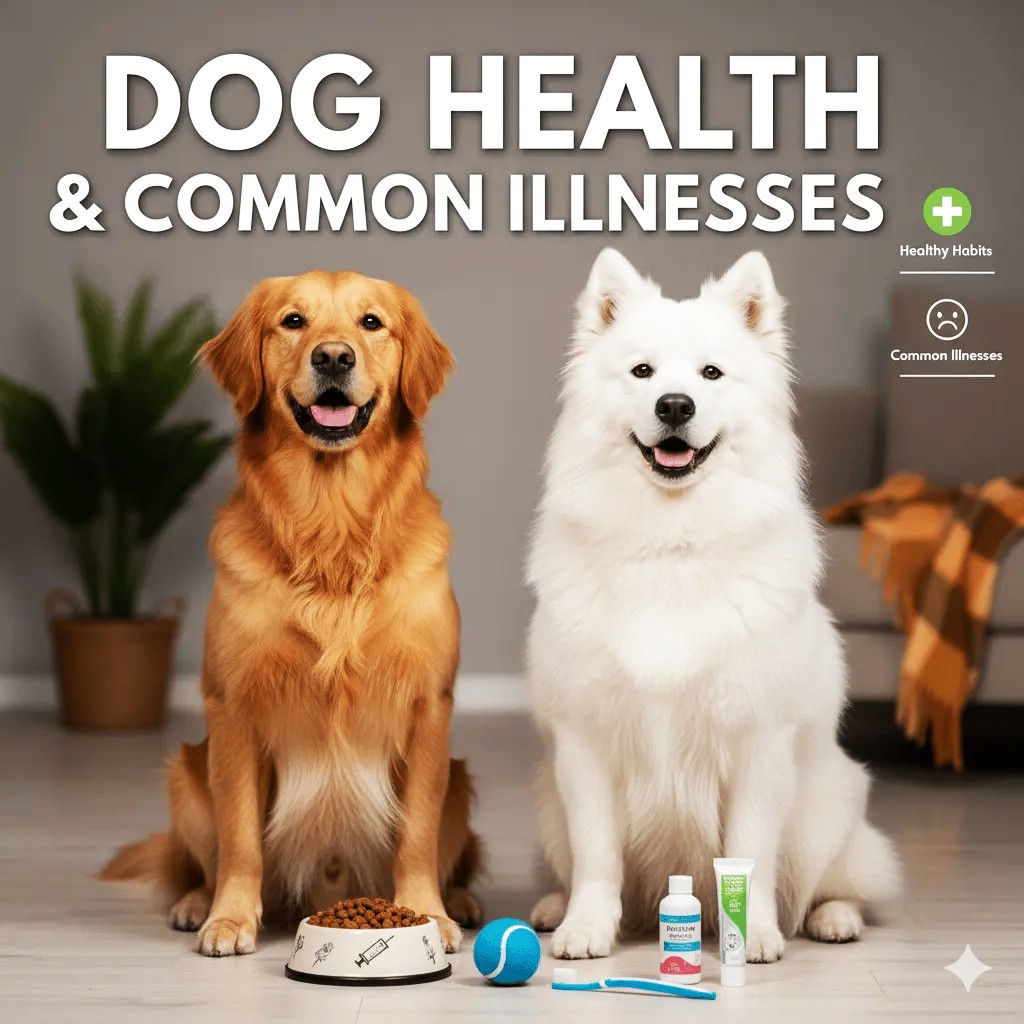
Keeping your dog healthy is one of the most important responsibilities of a pet owner. Dogs cannot tell us when something feels wrong, which makes understanding dog health and common illnesses essential for early detection and prevention. Small changes in behavior, appetite, or energy levels can often be the first signs of a health issue.
In this guide, you’ll learn about common health problems in dogs, their symptoms, and simple prevention tips every owner should know. By staying informed and proactive, you can help your dog live a longer, happier, and healthier life.
Understanding Dog Health
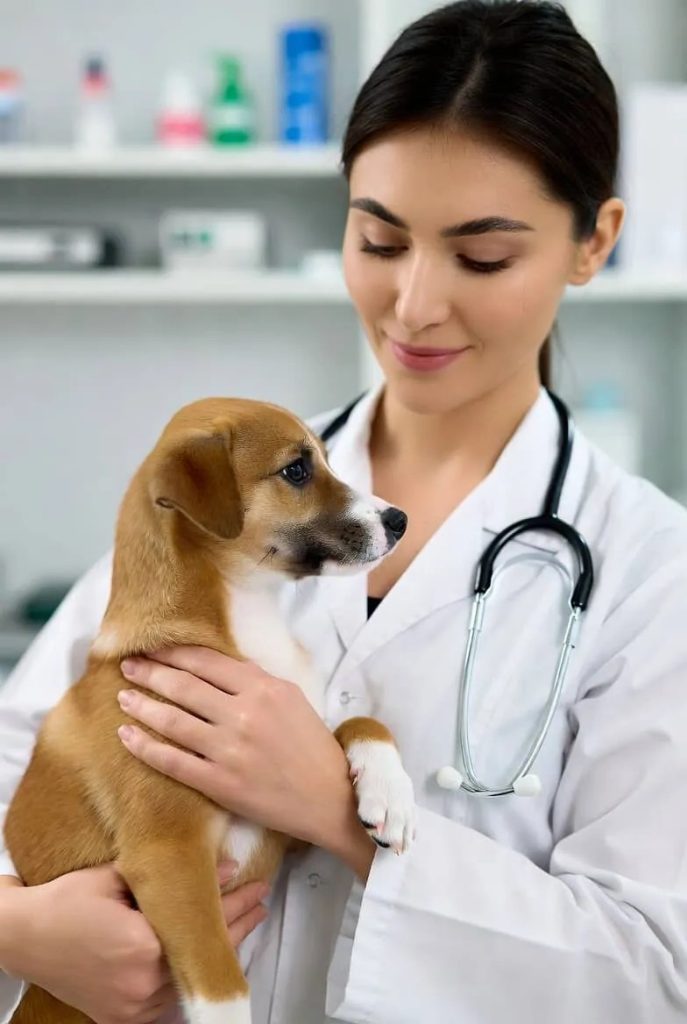
Understanding your dog’s health is the foundation of preventing illnesses and ensuring a long, happy life. Regular monitoring and awareness of your dog’s habits, appearance, and behavior can help you catch potential problems early.
Signs of a Healthy Dog
A healthy dog usually shows the following indicators:
- Energy and Activity: Alert, playful, and responsive to stimuli.
- Appetite: Eating regularly and maintaining a healthy weight.
- Coat and Skin: Shiny, smooth fur without bald patches or sores.
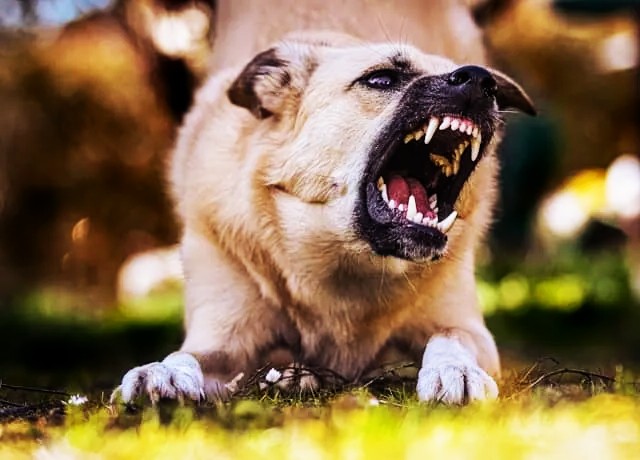
- Behavior: Calm and friendly, no sudden aggression or anxiety.
- Digestive Health: Regular bowel movements without diarrhea or vomiting.
Warning Signs Something Is Wrong
Early detection is key. Watch for these warning signs that may indicate illness:
- Sudden lethargy or unusual tiredness
- Loss of appetite or sudden weight changes
- Vomiting, diarrhea, or constipation
- Excessive scratching, licking, or skin irritation
- Changes in behavior, such as aggression or withdrawal
By recognizing these signs, owners can take preventive measures or seek veterinary care promptly, reducing the risk of serious health issues.
Common Dog Illnesses Every Owner Should Know
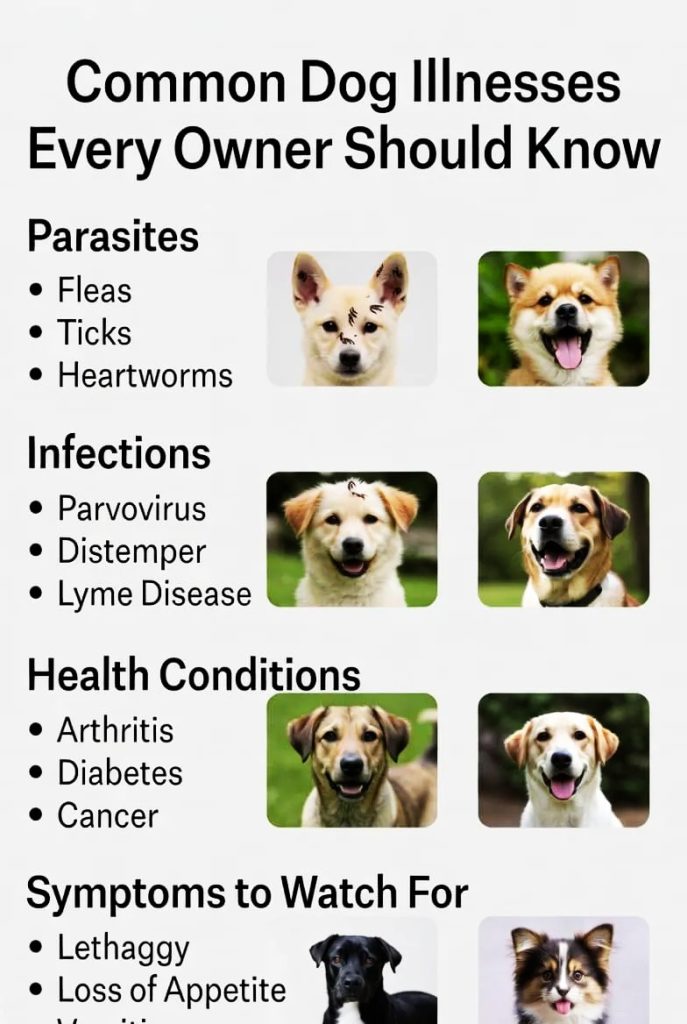
Dogs are prone to several health issues throughout their lives. Recognizing symptoms early and taking preventive measures can save your dog from serious complications. Here are some of the most common illnesses every dog owner should be aware of:
Skin Allergies and Infections
Skin problems are very common and often caused by allergens, parasites, or bacterial/fungal infections.
Symptoms: Itching, redness, hair loss, scabs, or rashes.
Prevention Tips:
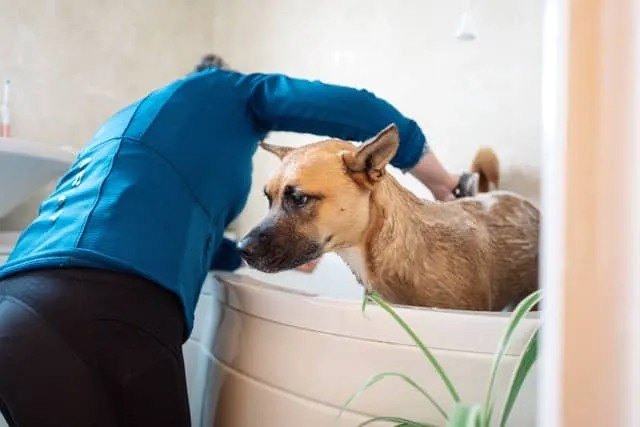
- Regular grooming and bathing with dog-safe shampoos.
- Avoiding exposure to known allergens.
- Checking for fleas and ticks regularly.
Digestive Problems
Dogs may develop digestive issues due to dietary changes, spoiled food, or infections.
Symptoms: Vomiting, diarrhea, constipation, bloating, or gas.
Prevention Tips:
- Feed a balanced diet suitable for your dog’s age and breed.
- Avoid giving human food that can upset digestion.
- Provide plenty of fresh water.
Ear Infections
Certain breeds with floppy ears or hair in the ear canal are more prone to infections.
Symptoms: Head shaking, scratching ears, odor, or discharge.
Prevention Tips:
- Clean ears regularly with vet-approved solutions.
- Dry ears after baths or swimming.
- Schedule routine vet checkups.
Parasites (Fleas, Ticks, Worms)
Parasites can cause discomfort and transmit diseases.
Symptoms: Scratching, hair loss, visible ticks, or worms in stool.
Prevention Tips:
- Use veterinarian-recommended flea and tick preventatives.
- Regular deworming as advised by your vet.
- Keep your dog’s living area clean.
Dental Diseases
Poor dental hygiene can lead to gum disease, tooth loss, and systemic infections.
Symptoms: Bad breath, red or bleeding gums, difficulty chewing.
Prevention Tips:
- Brush your dog’s teeth regularly.
- Provide dental chews and toys.
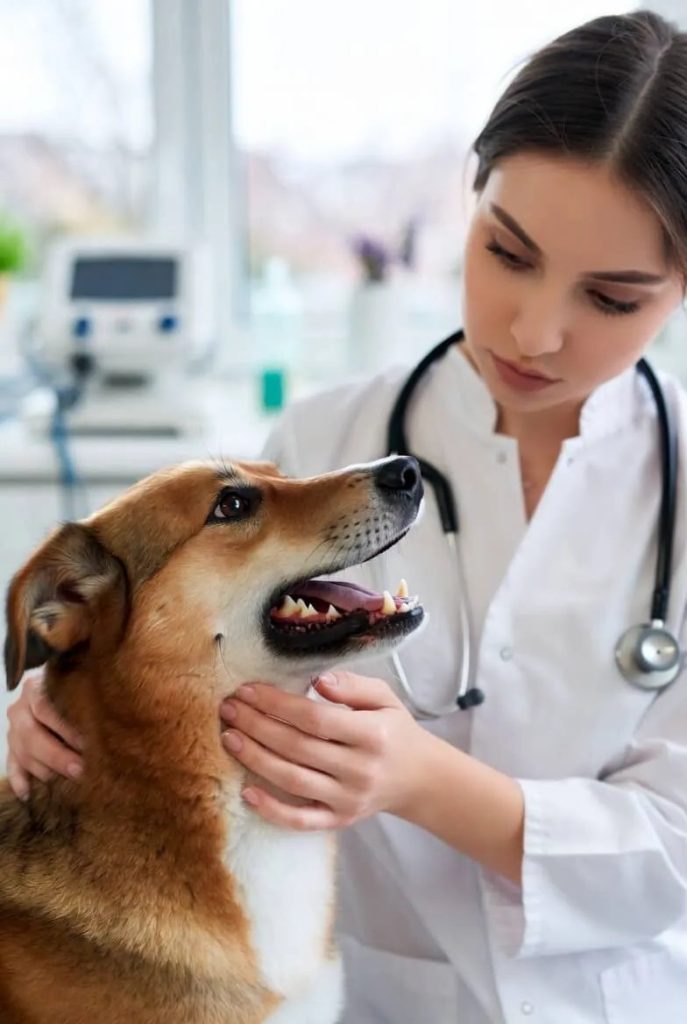
- Schedule annual dental checkups with your vet.
Recognizing and addressing these common illnesses promptly helps maintain your dog’s health, improves their quality of life, and reduces costly veterinary emergencies.
you can read more about Common Dog Illnesses Every Owner Should Know by visit this site
Preventing Common Dog Illnesses
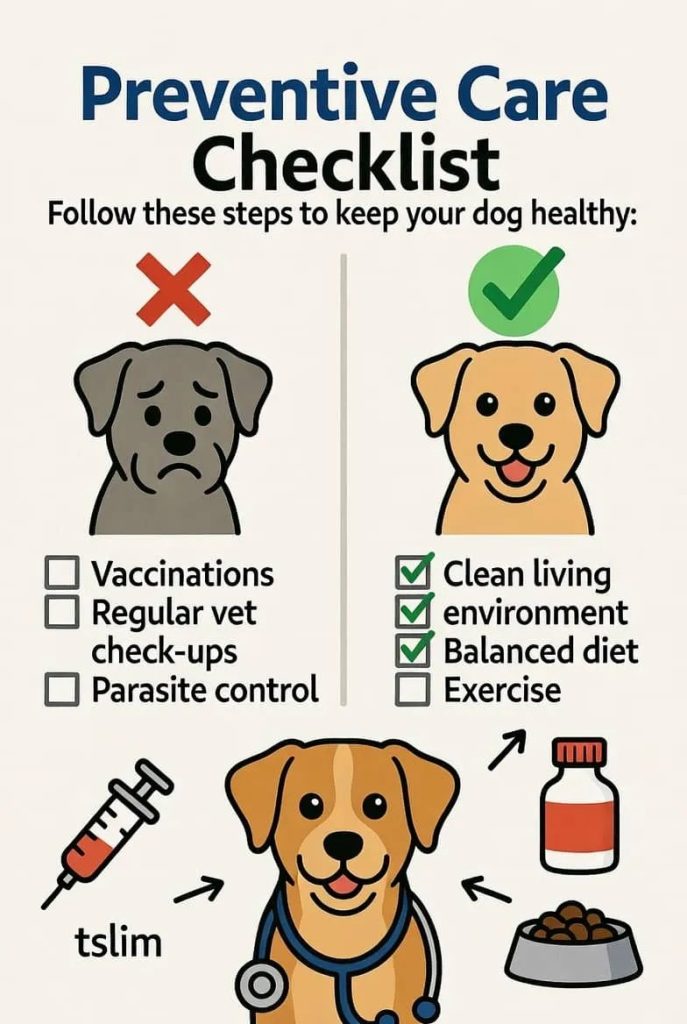
Prevention is always better than treatment when it comes to dog health. By following a few simple practices, you can reduce the risk of common illnesses and keep your dog happy and healthy.
Proper Nutrition and Hydration
A balanced diet supports your dog’s immune system and overall health.
- Feed age-appropriate, high-quality dog food.
- Avoid overfeeding or giving harmful human foods.
- Always provide fresh, clean water.
Regular Vet Checkups and Vaccinations
Routine veterinary care helps detect problems early and prevent diseases.
- Schedule annual or biannual checkups.
- Keep vaccinations up to date.
- Discuss preventive medications for heartworm, fleas, ticks, and worms with your vet.
Grooming and Hygiene Practices
Proper grooming prevents skin infections, parasites, and other health issues.
- Brush your dog’s coat regularly to remove dirt and loose hair.
- Bathe your dog as needed with dog-safe shampoos.
- Clean ears, trim nails, and check teeth to prevent infections and dental diseases.
By combining nutrition, vet care, and hygiene, dog owners can drastically lower the chances of illnesses, ensuring a longer and healthier life for their pets.
you can read more about Dog training and behavior BY VISIT MY BLOG
When to See a Veterinarian
Even with the best preventive care, dogs can experience sudden health issues that require professional attention. Knowing when to visit a veterinarian can prevent minor problems from becoming serious.
Situations Requiring Immediate Vet Care
- Persistent vomiting or diarrhea lasting more than 24 hours
- Difficulty breathing or excessive coughing
- Severe lethargy or sudden weakness
- Visible injuries or bleeding
- Signs of pain such as whimpering, limping, or sensitivity to touch
Regular Checkups Are Essential
- Annual or biannual visits help detect illnesses before symptoms appear.
- Vaccinations, parasite prevention, and dental exams should be scheduled routinely.
- Early detection can save lives and reduce treatment costs.
Trust Your Instincts
Dogs often show subtle signs of discomfort or illness before major symptoms appear. If you notice unusual behavior, appetite changes, or physical signs, it’s always better to consult a veterinarian promptly.
By recognizing these situations, owners can ensure timely treatment and maintain their dog’s overall health and well-being.
Conclusion & Call-to-Action
Maintaining your dog’s health is one of the most important responsibilities of a pet owner. By understanding dog health and common illnesses, recognizing early warning signs, practicing preventive care, and scheduling regular vet visits, you can ensure your dog lives a long, happy, and healthy life.
Healthy habits like proper nutrition, hygiene, exercise, and mental stimulation are key to preventing many common illnesses. Early intervention is essential—addressing issues promptly can save your dog from serious complications and improve their quality of life.
Call-to-Action: Start implementing these preventive tips today and monitor your dog’s health regularly. For more expert advice, detailed guides, and pet care tips, explore our full collection of articles on boldvist.com. Keep your furry friend safe, happy, and healthy! 🐶❤️