

Table of Contents
Training a dog goes far beyond teaching basic commands—it’s about understanding their behavior, building trust, and creating a strong bond. Every dog owner faces challenges, from stubborn chewing and excessive barking to anxiety and fear. By learning effective dog training and behavior techniques, you can guide your pet toward good habits while ensuring their emotional and physical well-being.
In this guide, you’ll discover practical tips and strategies for both beginner and intermediate dog owners in the USA, helping you raise a happy, well-behaved, and confident dog.
Understanding Dog Behavior
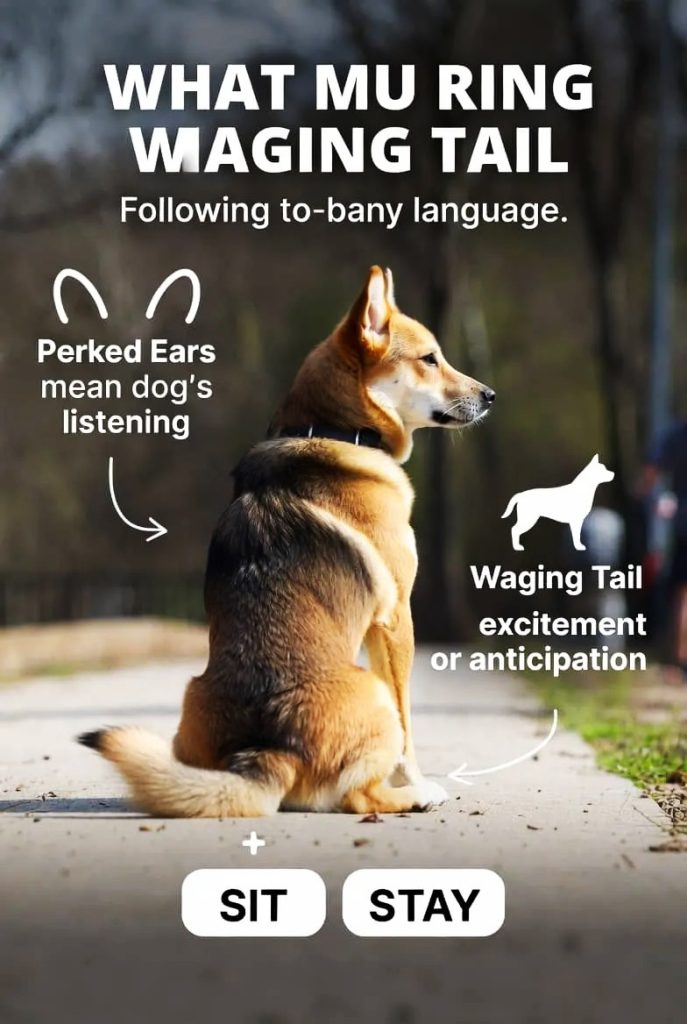
Understanding your dog’s behavior is the first step toward effective training and a strong human-pet bond. Dogs communicate primarily through body language, vocalizations, and actions. By learning to interpret these signals, owners can respond appropriately, prevent misbehavior, and ensure their dog feels safe and understood.
Common Dog Behaviors and What They Mean
- Barking: Can indicate excitement, attention-seeking, fear, or boredom. Understanding the context is key.
- Chewing: Normal for puppies, but in adults it may signal anxiety, teething, or lack of stimulation.
- Digging: Often a natural instinct, sometimes triggered by boredom, stress, or hunting instincts.
- Separation Anxiety: Destructive or anxious behavior when left alone, showing the need for gradual training and reassurance.
Why Dogs Misbehave
Dogs don’t misbehave out of spite—they react to unmet needs or confusion. Common causes include:
- Lack of exercise or mental stimulation
- Inconsistent training or unclear rules
- Fear, stress, or past trauma
- Health issues affecting behavior
Recognizing these patterns helps you address the root cause rather than just the symptom, making dog training and behavior management more effective.
Basic Dog Training Techniques
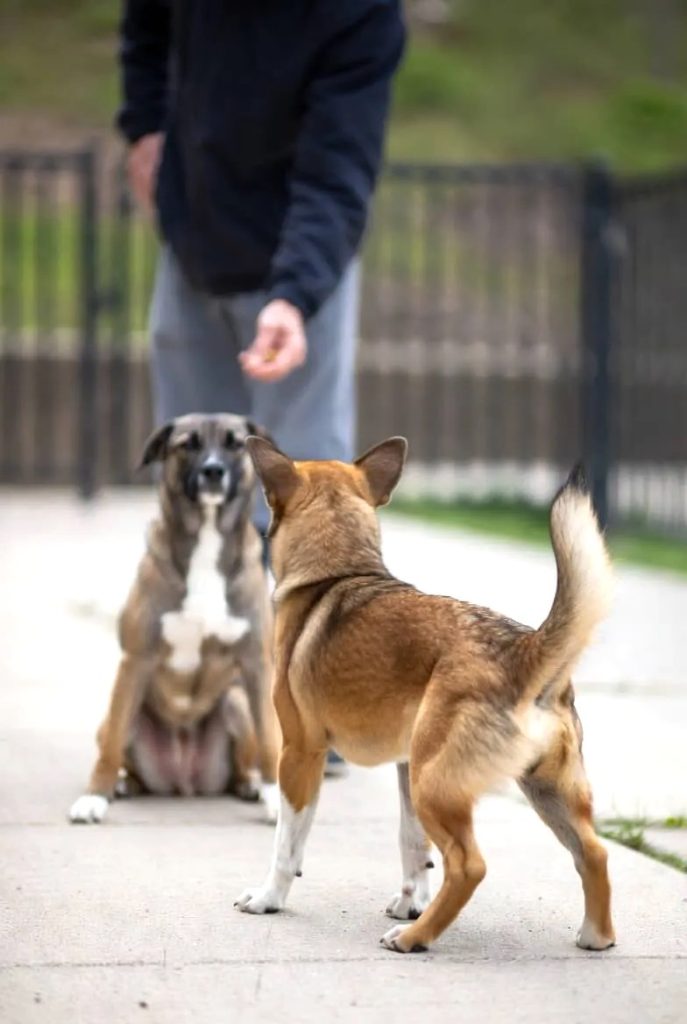
Training your dog doesn’t have to be complicated. By using simple, consistent methods, you can teach your pet essential skills while promoting good behavior and a strong bond. Here are the key techniques every dog owner should know.
Positive Reinforcement Training
Positive reinforcement is one of the most effective training methods. It involves rewarding desired behaviors with treats, praise, or play, encouraging your dog to repeat them.
Tips:
- Use small, healthy treats that your dog loves.
- Praise immediately after the desired behavior.
- Be consistent; always reward the same behavior the same way.
Basic Commands Every Dog Should Learn
Teaching your dog basic commands is essential for safety and daily life. Core commands include:
- Sit: Useful for control in public or during greetings.
- Stay: Helps prevent running into dangerous areas.
- Come: Critical for recall in off-leash situations.
- Heel: Ensures proper leash behavior.
- Leave It / Drop It: Prevents ingestion of harmful objects.
Practice each command in short sessions (5–10 minutes), multiple times a day, keeping it fun and positive.
Crate Training and Housebreaking
Crate training gives dogs a safe space, reduces anxiety, and helps with housebreaking.
Steps:
- Introduce the crate gradually with soft bedding and treats.
- Feed your dog meals inside the crate to create positive associations.
- Use the crate for short periods initially, gradually increasing the duration.
- Pair crate training with consistent bathroom routines to prevent accidents.
Crate training not only supports behavior management but also strengthens your dog’s confidence and security.
EXTRA YOU CAN GET INFORMATION ABOUT Dog Health and Common Illnesses BY VISIT MY BLOG
Advanced Training and Behavior Correction
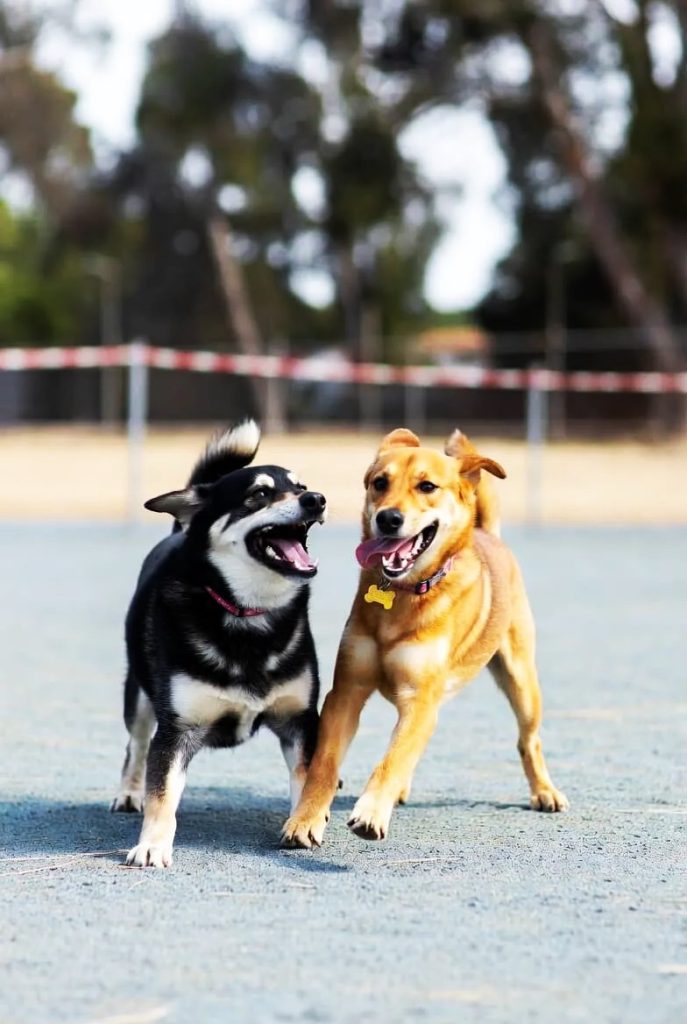
Once your dog masters basic commands, some may still display challenging behaviors. Advanced training focuses on correcting these issues while reinforcing good habits and social skills.
Dealing with Aggression or Fear
Aggression or fear in dogs can stem from anxiety, lack of socialization, or past trauma. Addressing these behaviors requires patience and consistency:
- Identify triggers: Observe what causes aggressive or fearful responses.
- Desensitization: Gradually expose your dog to the trigger in a controlled, positive way.
- Positive reinforcement: Reward calm and appropriate behavior when facing the trigger.
- Avoid punishment: Harsh corrections can increase fear and worsen aggression.
Socialization Tips
Proper socialization helps dogs behave confidently around people, animals, and new environments:
- Introduce your dog to different settings, sounds, and people gradually.
- Use treats and praise to create positive associations.
- Organize safe playdates with well-behaved dogs.
- Attend puppy classes or obedience workshops for structured socialization.
Training Tools and Aids
Certain tools can support behavior modification and training success:
- Clickers: Reinforce positive behavior with a consistent sound cue.
- Leashes and harnesses: Aid control during walks and outdoor training.
- Treats and toys: Motivate and reward good behavior.
- Interactive puzzles: Provide mental stimulation to reduce boredom-related misbehavior.
By combining advanced techniques with patience, consistency, and positive reinforcement, you can correct unwanted behaviors while promoting a happy, well-adjusted dog.
Common Dog Training Mistakes to Avoid
Inconsistency in Training
One of the most common mistakes is being inconsistent with commands, rules, or rewards. Dogs learn best when expectations are clear and repeated consistently.
Tip: Ensure all family members use the same commands and reward system.
Using Harsh Punishments
Punishing a dog for mistakes can create fear, anxiety, or aggression. Training should focus on positive reinforcement rather than intimidation or physical corrections.
Overtraining or Long Sessions
Excessively long training sessions can overwhelm dogs and lead to frustration or boredom.
Tip: Keep training sessions short (5–15 minutes) and frequent, ending on a positive note.
Ignoring Mental Stimulation
Dogs need mental engagement as much as physical exercise. Lack of stimulation can lead to destructive behavior or restlessness.
Tip: Use puzzle toys, interactive games, and training challenges regularly.
Failing to Address Behavior Early
Waiting too long to correct undesirable behavior can make it harder to change later. Early intervention is key to preventing bad habits from forming.
By avoiding these mistakes, dog owners can create a positive, consistent, and effective training environment, improving both behavior and the bond between pet and owner.
you can read more about Common Dog Training Mistakes to Avoid by visit this site
Conclusion & Call-to-Action
Effective dog training and understanding behavior are essential for raising a happy, well-adjusted dog. By learning to read your dog’s signals, using positive reinforcement, and practicing consistency, you can prevent misbehavior and strengthen the bond between you and your pet.
Remember, training is a continuous journey—start with basic commands, address unwanted behaviors early, and gradually introduce advanced techniques. Patience, repetition, and encouragement are the keys to success.
Call-to-Action: Start applying these dog training and behavior tips today to create a harmonious home and a confident, well-behaved dog. For more expert guidance, tips, and training resources, explore our full range of pet care articles on boldvist.com. 🐶