


Table of Contents
Choosing the right food for your pet can feel like standing in a supermarket aisle that never ends. Shelves packed with colorful bags, shiny cans, and bold health claims make one question echo louder than the rest: Dry Food vs Wet Food: Which Is Healthier for Pets? 🐾
For pet owners in the USA and beyond, this decision is more than convenience or cost. The food you choose plays a major role in your pet’s digestion, hydration, energy levels, and long-term health. Some swear by crunchy kibble for dental benefits, while others prefer wet food for its rich flavor and moisture content. Both sides have strong arguments, and neither is entirely wrong.
In this guide, we break down the real differences between dry food and wet food, backed by nutritional insights and practical considerations. By the end, you’ll have a clearer idea of which option best suits your pet’s age, lifestyle, and health needs, so you can feed them with confidence and care
Dry Food vs Wet Food: Understanding the Basics
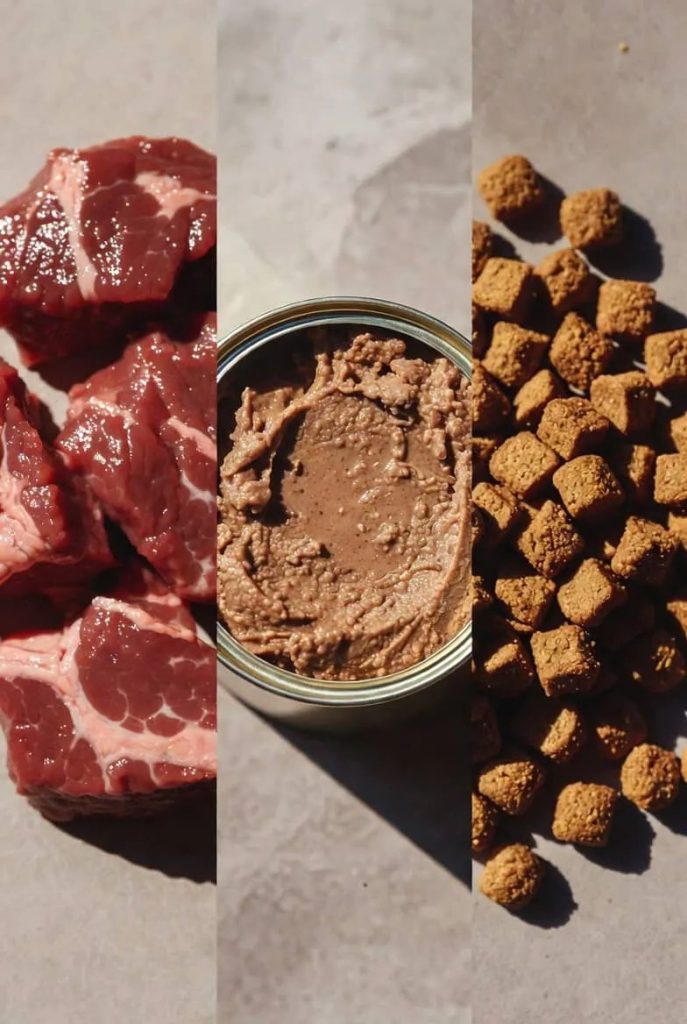
Before deciding which option is healthier, it’s important to understand what actually separates dry food from wet food. While both are designed to meet your pet’s nutritional
needs, they differ in preparation, texture, storage, and how pets respond to them.
What Is Dry Food for Pets?
Dry food, commonly known as kibble, is made by combining ingredients like meat, grains, vegetables, vitamins, and minerals, then cooking them at high temperatures and drying them into small, crunchy pieces. It contains very little moisture, usually around 8–10 percent, which gives it a long shelf life.
Many pet owners prefer dry food because it’s easy to store, simple to measure, and generally more affordable. The crunchy texture can also help reduce plaque buildup on teeth, making it a popular choice for everyday feeding.
What Is Wet Food for Pets?
Wet food comes in cans, pouches, or trays and has a much higher moisture content, often around 70–80 percent. It’s typically made with fresh or minimally processed meats mixed with gravy or jelly, which gives it a stronger aroma and softer texture.
Because of its high water content and rich flavor, wet food is often more appealing to pets, especially picky eaters, seniors, or pets with dental issues. However, once opened, it needs refrigeration and has a shorter shelf life compared to dry food.
Understanding these basic differences sets the foundation for comparing nutrition, health benefits, and which option may be best for your pet’s specific needs
Nutritional Differences Between Dry Food and Wet Food
Nutritional Differences Between Dry Food and Wet Food
When comparing dry food vs wet food, nutrition is where the conversation truly matters. Both options can be nutritionally complete, but the way nutrients are delivered and absorbed can differ, affecting your pet’s overall health.
Protein, Fat, and Carbohydrate Content
Dry food often contains a higher percentage of carbohydrates. This is mainly because starches are needed to bind the kibble during processing. While carbs can provide energy, too much may not be ideal for pets that need a protein-rich diet.
Wet food usually has a higher proportion of animal-based protein and fats when measured on a dry-matter basis. This can support muscle maintenance and energy levels, making wet food a strong option for active pets or those needing higher protein intake.
Moisture Content and Hydration Benefits
One of the biggest nutritional differences is moisture. Dry food contains very little water, which means pets must drink enough on their own to stay hydrated. Some pets, especially cats, are naturally low water drinkers.
Wet food, on the other hand, provides significant hydration with every meal. This added moisture can support urinary tract health, kidney function, and overall digestion, particularly in cats and older pets.
Vitamins, Minerals, and Additives
Both dry and wet foods are fortified with essential vitamins and minerals to meet nutritional standards. However, dry food may rely more on preservatives to maintain shelf life, while wet food is sealed and sterilized, reducing the need for artificial preservatives.
Ultimately, the nutritional difference between dry food and wet food isn’t about which is “good” or “bad,” but how each supports your pet’s unique dietary needs and lifestyle
Health Benefits of Dry Food for Pets

Dry food has remained a staple in pet households for good reason. When chosen wisely and fed in proper portions, it can offer several health advantages that support your pet’s daily well-being.
Supports Dental Health
The crunchy texture of dry food can help reduce plaque and tartar buildup as pets chew. While it’s not a replacement for dental care, regular kibble feeding may contribute to cleaner teeth and fresher breath, especially in dogs.
Helps with Portion Control and Weight Management
Dry food is easy to measure, making portion control more accurate. This is particularly helpful for pets that need to maintain or lose weight, as it reduces the risk of overfeeding compared to free-pouring wet food.
Longer Shelf Life and Food Safety
Because dry food contains very little moisture, it resists bacterial growth and stays fresh longer when stored properly. This makes it a convenient and safe option for busy pet owners who prefer consistent feeding routines.
Cost-Effective for Long-Term Feeding
Dry food is generally more affordable than wet food on a per-serving basis. For multi-pet households or large-breed pets, this can make a noticeable difference in long-term feeding costs without sacrificing balanced nutrition.
Encourages Regular Chewing Behavior
Chewing kibble stimulates jaw muscles and promotes natural eating behavior. For some pets, this can help prevent rapid eating, which may reduce digestive discomfort.
While dry food offers many benefits, its effectiveness depends on quality ingredients and proper hydration. Pairing dry food with fresh water or occasional wet meals can help create a balanced feeding plan 🐾
Health Benefits of Wet Food for Pets

Wet food brings its own set of health advantages, especially for pets that need extra hydration or a softer, more palatable meal. For many animals, it’s not just food, it’s a sensory experience that supports both nutrition and comfort 🐶🐱
Promotes Better Hydration
One of the biggest benefits of wet food is its high moisture content. This helps keep pets hydrated throughout the day, which is especially important for cats, senior pets, and animals prone to urinary tract or kidney issues.
Easier to Chew and Digest
The soft texture of wet food makes it ideal for puppies, kittens, senior pets, or pets with dental problems. It requires less chewing and can be gentler on the digestive system, reducing strain during meals.
Higher Palatability for Picky Eaters
Wet food has a stronger aroma and richer flavor, which often makes it more appealing to fussy eaters. Pets that refuse dry food are more likely to eat consistently when wet food is part of their diet.
Supports Weight and Portion Management
Because wet food contains more water, it can help pets feel full with fewer calories. This can be beneficial for weight management when portioned correctly, particularly for indoor or less active pets.
Often Higher in Animal-Based Protein
Many wet food formulas rely more heavily on meat-based ingredients and fewer carbohydrates. This can support muscle health and energy levels, especially for active pets or those needing a protein-focused diet.
Wet food can be a powerful tool in a pet’s nutrition plan, particularly when hydration and taste are priorities. As with any food choice, quality ingredients and proper portioning make all the difference 🐾
Dry Food vs Wet Food: Which Is Healthier for Pets Based on Needs?

There’s no one-size-fits-all winner in the dry food vs wet food debate. The healthier option depends on your pet’s age, lifestyle, and specific health requirements. Think of it less as a competition and more as matching the right fuel to the right engine 🐾
Best Option for Puppies and Kittens
Young pets need high-quality protein, energy, and nutrients to support rapid growth.
- Wet food is easier to chew and digest, making it ideal during weaning and early months.
- Dry food helps introduce chewing habits and can support dental development as they grow.
A mix of both is often recommended to balance nutrition and texture.
Best Choice for Adult Pets
Healthy adult pets can thrive on either option.
- Dry food works well for active pets and those that benefit from dental support and controlled portions.
- Wet food is better for pets that struggle with hydration or have sensitive digestion.
Many pet owners successfully use combination feeding to get the best of both worlds.
Best Option for Senior Pets
As pets age, their needs shift.
- Wet food is often the healthier choice for seniors due to its moisture content and soft texture, which helps pets with dental wear or reduced appetite.
- Dry food can still be suitable if it’s softened with water or broth and formulated for senior nutrition.
Pets with Weight Management Needs
- Dry food allows precise calorie control and structured feeding.
- Wet food can help pets feel full with fewer calories because of its higher water content.
The healthier choice depends on portion size and overall calorie intake.
Pets with Medical or Special Conditions
- Urinary or kidney issues: Wet food is usually recommended due to increased hydration.
- Dental problems: Wet food reduces chewing strain.
- Diabetes or low-carb needs: Wet food often contains fewer carbohydrates.
In these cases, vet guidance is essential.
So, Which Is Healthier Overall?
The healthiest diet is the one that fits your pet’s individual needs and keeps them energetic, hydrated, and happy. In many cases, a thoughtful mix of dry and wet food offers balanced nutrition and flexibility, turning mealtime into both nourishment and joy
you can read more about Dry Food vs Wet Food: Which Is Healthier for Pets Based on Needs?
Can You Mix Dry and Wet Food?

Yes, you can mix dry and wet food, and for many pets, it’s a smart and balanced approach. Combination feeding brings together the strengths of both food types, creating meals that are nutritious, enjoyable, and flexible.
Benefits of Mixing Dry and Wet Food
- Balanced nutrition: Dry food supports dental health and portion control, while wet food adds moisture and flavor.
- Improved hydration: The water content in wet food helps pets stay hydrated, especially helpful for cats.
- Better palatability: Mixing foods can encourage picky eaters to finish their meals.
- Diet variety: Different textures and tastes keep mealtime interesting and reduce boredom.
How to Mix Dry and Wet Food Safely
Start by measuring portions carefully. When you add wet food, reduce the amount of dry food to avoid excess calories. Mix thoroughly so your pet doesn’t eat only one part of the meal.
Always introduce mixed feeding gradually. Sudden changes can upset digestion, so transition over several days while observing your pet’s response.
Things to Watch Out For
Mixed meals spoil faster due to moisture. Remove uneaten food within 20 to 30 minutes, especially in warm environments. Also, ensure fresh drinking water is always available.
Is Mixed Feeding Right for Every Pet?
Most healthy pets do well with mixed feeding, but pets with specific medical conditions may need a specialized diet. When in doubt, a veterinarian can help tailor the right balance.
When done thoughtfully, mixing dry and wet food turns mealtime into a well-rounded experience that supports both health and happiness
Common Mistakes Pet Owners Make When Choosing Pet Food
Even with the best intentions, many pet owners stumble when selecting food. These small missteps can quietly affect a pet’s health over time. Knowing what to avoid makes choosing between dry food and wet food far less confusing 🐾
Focusing Only on Price
Cheapest doesn’t always mean healthiest. Low-cost foods may contain fillers, low-quality protein, or excessive carbohydrates. While budget matters, nutritional value should come first.
Ignoring Ingredient Labels
Many owners look at the brand name but skip the ingredient list. High-quality pet food should list real meat as a primary ingredient and avoid unnecessary artificial colors or flavors.
Overfeeding Based on “Looks”
Portion sizes are often guessed instead of measured. Overfeeding, especially with calorie-dense foods, can lead to obesity and related health problems. Feeding guidelines exist for a reason.
Choosing Food Based on Human Preferences
Just because food smells strong or looks appealing to humans doesn’t mean it’s best for pets. Nutrition matters more than aroma, packaging, or marketing claims.
Not Considering Age, Size, and Health Needs
Puppies, adults, seniors, and pets with medical conditions all have different dietary requirements. Feeding the same food to every pet in the house can cause long-term issues.
Switching Foods Too Quickly
Sudden changes between dry food and wet food can upset digestion. Any new food should be introduced gradually over several days to avoid stomach problems.
Assuming One Food Is Always Better
Believing that only dry food or only wet food is healthy oversimplifies pet nutrition. The healthiest choice depends on the pet, not the trend.
Avoiding these common mistakes helps ensure your pet gets the nutrition they need, turning food decisions into confident, informed choices
Conclusion & Call-to-Action
So, dry food vs wet food: which is healthier for pets? The honest answer lives in the details of your pet’s life. Dry food offers convenience, dental support, and easy portion control, while wet food shines with hydration, palatability, and gentle digestion. Neither is universally better. The healthiest choice is the one that fits your pet’s age, activity level, and health needs.
For many pets, a thoughtful mix of dry and wet food creates a balanced routine that supports nutrition without sacrificing enjoyment. What matters most is choosing high-quality ingredients, feeding the right portions, and paying attention to how your pet responds over time.
👉 Your next step:
Take a moment to check your pet’s current food label, observe their energy, coat condition, and hydration, and talk to your veterinarian if you notice any concerns. If this guide helped you, share it with another pet parent, leave a comment with your experience, or explore our other pet nutrition articles to keep your companion healthy and happy