

Table of Contents
Emergencies can happen when you least expect them, and knowing first aid for pets can make all the difference in keeping your furry friends safe. From minor cuts and scrapes to sudden illnesses or accidents, being prepared helps you respond quickly, reduce stress, and prevent serious complications. This guide covers essential first aid techniques, must-have supplies, and expert tips so you can confidently care for your dog or cat in any urgent situation. 🐶🐱❤️
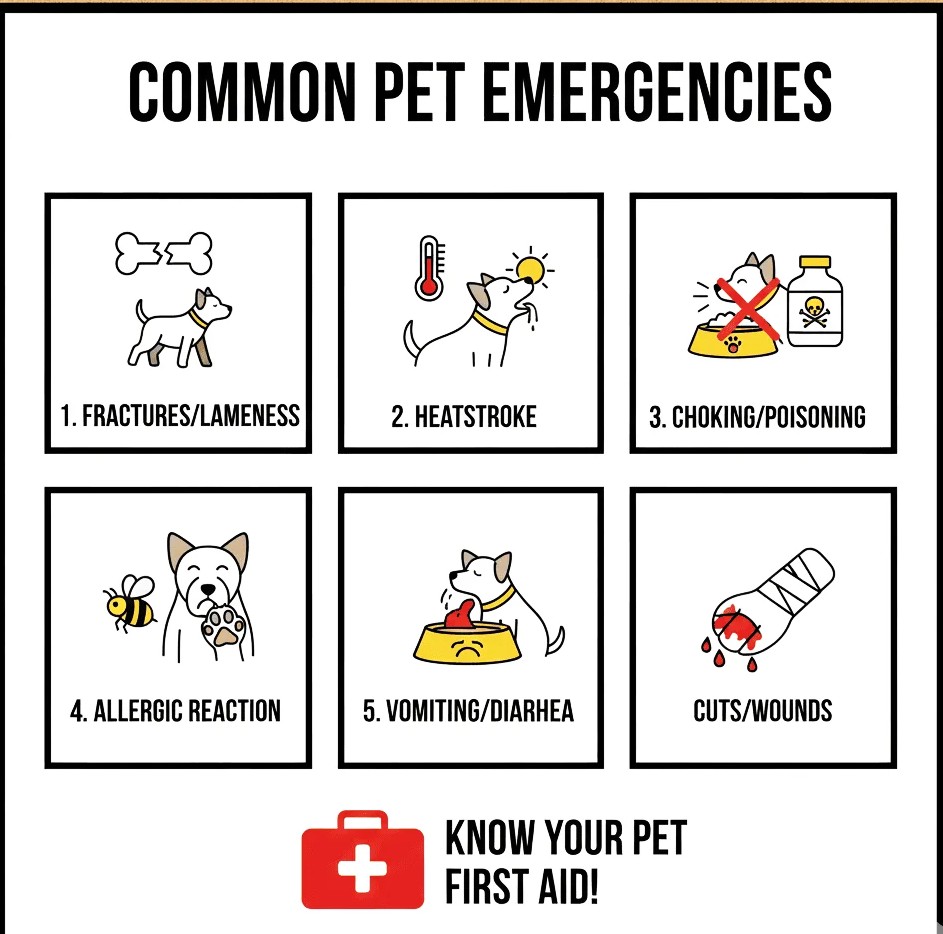
Common Pet Emergencies
Knowing how to identify and respond to common pet emergencies is crucial for every pet owner. Quick recognition and proper action can prevent minor injuries from becoming serious and save your pet’s life.
Minor Injuries
- Cuts, scrapes, and bruises are frequent but usually manageable at home.
- Clean wounds with antiseptic, apply gauze or bandage, and monitor for signs of infection.
Serious Injuries
- Broken bones, severe bleeding, or trauma from accidents require immediate veterinary attention.
- Stabilize the pet as best as possible and avoid moving them unnecessarily to prevent further harm.
Sudden Illnesses
- Seizures, vomiting, diarrhea, difficulty breathing, or collapse are urgent signs.
- Keep your pet calm, record symptoms, and seek emergency veterinary care immediately.
Building a Pet First Aid Kit
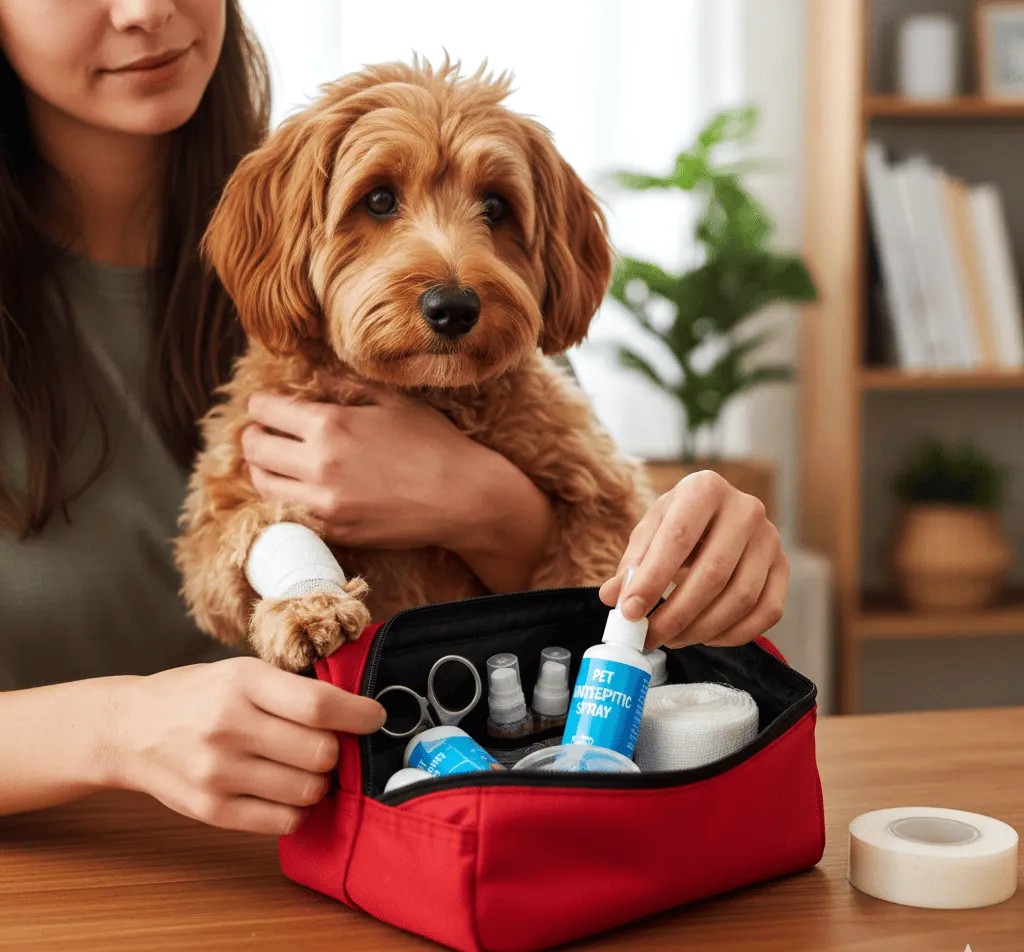
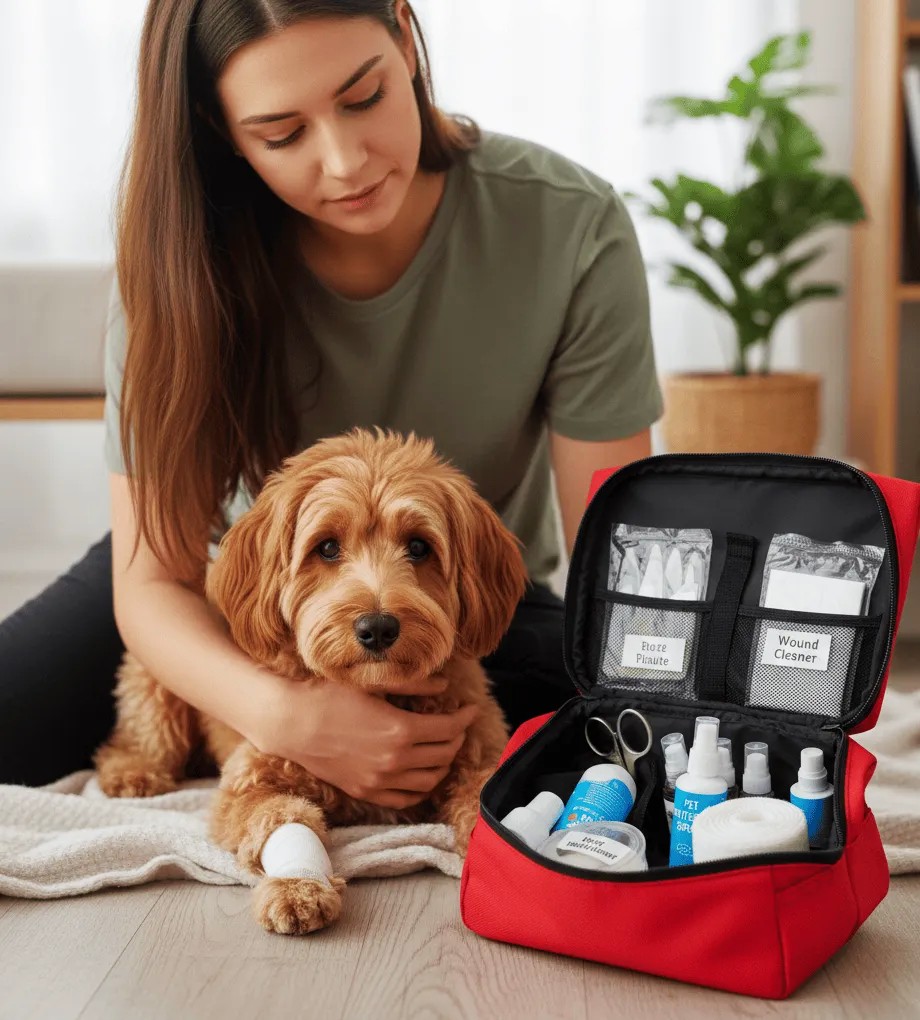
Having a well-stocked first aid kit for pets ensures you’re ready to handle emergencies confidently. A kit with the right supplies can help you manage minor injuries, stabilize serious conditions, and keep your furry friends safe until professional help arrives. 🩹🐾
Essential Supplies
- Bandages & Gauze: For cuts, scrapes, and wound protection.
- Antiseptic Wipes & Solutions: To clean wounds and prevent infection.
- Adhesive Tape & Elastic Wraps: Secure dressings without restricting circulation.
- Tweezers & Scissors: For removing splinters or trimming bandages safely.
- Disposable Gloves: To maintain hygiene while treating injuries.
Medications & Tools
- Pet-safe pain relievers (only as recommended by a veterinarian).
- Hydrogen peroxide (for vomiting, only if instructed by a vet).
- Digital thermometer to monitor temperature.
- Flashlight for emergencies in low light conditions.
Emergency Information
- List of veterinarian contacts and local emergency clinics.
- Pet poison control hotline numbers.
- Your pet’s medical history, medications, and vaccination records.
Tips for an Effective Kit
- Store in a sturdy, waterproof container.
- Keep it accessible in multiple areas of your home and take a portable kit when traveling.
- Check and restock supplies regularly to ensure nothing is expired or missing.
EXTRA- YOU CAN READ MORE ABOUT Seasonal health care (heat,rain,cold) BY VISIT MY BLOG
Basic First Aid Techniques
Knowing simple first aid techniques for pets can make a huge difference during emergencies. These methods help stabilize your pet and prevent further injury while you seek professional care. 🐶
Controlling Bleeding
- Apply gentle pressure to the wound using a clean cloth or sterile gauze.
- Maintain pressure for several minutes to slow blood flow.
- If possible, elevate the injured area above the heart to reduce bleeding.
Treating Burns or Scalds
- Cool the affected area with lukewarm water for 5–10 minutes immediately.
- Avoid ice, butter, or ointments unless prescribed by a vet.
- Wrap lightly with sterile gauze to prevent infection.
Handling Choking or Breathing Issues
- Check the pet’s mouth for visible obstructions and remove them carefully with tweezers.
- For dogs, perform a gentle Heimlich maneuver if needed; for cats, use small, careful back blows and chest compressions.
- Keep your pet calm and transport them to a veterinarian immediately.
Managing Shock
- Signs: pale gums, rapid heartbeat, weak pulse, shallow breathing.
- Keep your pet lying down in a warm, quiet environment.
- Avoid giving food or water until evaluated by a vet.
CPR for Pets (if trained)
- Only perform CPR if you are trained in pet CPR.
- Focus on chest compressions and rescue breaths tailored for dogs or cats.
- Call your veterinarian or an emergency clinic while performing CPR.
When to Contact a Veterinarian Immediately
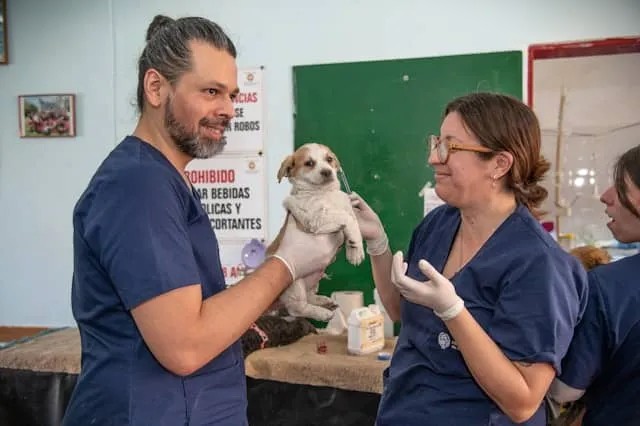
(First Aid for pets)Even with first aid knowledge, some situations require urgent professional care. Acting quickly can prevent complications and save your pet’s life.
Emergency Situations
- Severe bleeding or deep wounds that don’t stop with pressure.
- Broken bones, dislocations, or major trauma from accidents or falls.
- Difficulty breathing or choking that persists despite initial aid.
- Seizures or sudden collapse.
- Persistent vomiting, diarrhea, or high fever.
Signs That Require Immediate Vet Attention
- Unresponsiveness or extreme lethargy.
- Pale, blue, or yellow gums.
- Ingestion of toxic substances or poisonous foods.
- Severe burns, chemical exposure, or electric shock.
Tips:
- Keep your veterinarian’s number and local emergency clinics accessible.
- Transport your pet carefully to avoid aggravating injuries.
- Provide details about symptoms and first aid you administered.
Preventive Measures to Reduce Emergencies
Prevention is always better than cure. Taking proactive steps can significantly lower the risk of accidents, injuries, and sudden illnesses in pets. 🐶🐱💚
Pet-Proof Your Home
- Keep toxic plants, chemicals, and cleaning products out of reach.
- Secure electrical cords, small objects, and choking hazards.
- Block off unsafe areas, stairs, or balconies.
Regular Health Check-Ups
- Schedule routine vet visits for vaccinations, dental care, and wellness exams.
- Monitor weight, appetite, and behavior changes regularly.
Proper Training and Socialization
- Train pets to follow basic commands to prevent dangerous behaviors.
- Supervise interactions with other animals or small children to avoid injuries.
Nutrition and Safe Diet
- Provide a balanced diet appropriate for your pet’s age, size, and breed.
- Avoid giving harmful human foods like chocolate, grapes, or onions.
Exercise and Mental Stimulation
- Ensure pets get regular physical activity to prevent obesity and related health issues.
- Provide toys, scratching posts, or interactive games to reduce destructive behaviors.
you can read more about First Aid for pets by visit this site
Conclusion & Call-to-Action
(First Aid for pets)
Being prepared with first aid for pets empowers you to act confidently during emergencies, protecting your furry friends from serious harm. From assembling a well-stocked first aid kit to learning basic techniques and recognizing when to contact a veterinarian, every step you take improves your pet’s safety and well-being. 🐾❤️
Call-to-Action:(First Aid for pets)
Start today by creating a pet first aid kit, familiarizing yourself with essential techniques, and keeping your veterinarian’s contact handy. Your preparedness could make all the difference in saving your pet’s life. Remember, quick action and prevention are the keys to happy, healthy pets!