
Table of Contents
Pet emergencies rarely send a calendar invite. One moment your dog is chasing a ball, the next you are facing a cut paw, choking scare, or sudden illness. That is exactly why first aid tips every pet owner should know are not optional extras but quiet lifesavers waiting in your back pocket.
Knowing basic pet first aid helps you stay calm, act fast, and protect your dog or cat in those critical minutes before professional help is available. Simple actions like stopping bleeding, handling choking safely, or recognizing poisoning symptoms can make a real difference to outcomes and recovery.
This guide breaks down first aid tips every pet owner should know in a clear, practical way, so you can respond with confidence when it matters most. Because when emergencies strike, your pet is counting on you.
First Aid Tips Every Pet Owner Should Know Before an Emergency

Emergencies are chaotic by nature, but preparation turns panic into purpose. The most important first aid tips every pet owner should know actually begin before anything goes wrong. A little readiness now can buy precious time later, when your pet needs you calm, focused, and steady.
Stay Calm and Protect Yourself First
Your pet can sense fear faster than you can say “vet.” Take a breath. Speak softly. Injured or frightened animals may bite or scratch, even the gentlest ones. If needed, use a towel or muzzle to protect yourself while you help them.
Know When First Aid Is Enough and When It’s Not
First aid is a bridge, not a destination. It helps stabilize your pet, reduce pain, and prevent further injury until a veterinarian can take over. Severe bleeding, trouble breathing, seizures, poisoning, or unconsciousness always mean immediate veterinary care, even if you provide first aid first.
Recognize Early Warning Signs of an Emergency
One of the smartest first aid tips every pet owner should know is learning to spot danger early. Watch for:
- Difficulty breathing or excessive panting
- Sudden collapse or weakness
- Uncontrolled bleeding
- Repeated vomiting or diarrhea
- Seizures or loss of consciousness
- Signs of poisoning such as drooling, tremors, or disorientation
Keep Emergency Information Easy to Reach
Save your vet’s number, the nearest 24-hour emergency clinic, and a pet poison helpline in your phone and written near your first aid kit. In a crisis, searching is wasted time.
Prepare Your Home and Routine
Scan your living space with a safety lens. Secure toxic foods, medications, and chemicals. Learn your pet’s normal behavior, appetite, and energy levels so you can quickly recognize when something feels off.
Preparation is the quiet hero of pet first aid. When you already know what to do, your hands move faster, your voice stays calm, and your pet feels safer
First Aid Tips Every Pet Owner Should Know for Common Injuries

Scrapes, slips, and sudden yelps are part of pet life, but knowing how to respond makes all the difference. These first aid tips every pet owner should know focus on the most common injuries dogs and cats experience and how to handle them safely until you reach a veterinarian.
Treating Cuts, Wounds, and Bleeding
Small cuts can look dramatic under fur, so start by staying calm and assessing the damage. Gently trim hair around the wound if possible, then clean it with clean water or saline. Apply light pressure using a clean cloth or bandage to stop bleeding. If bleeding does not stop within a few minutes or the wound is deep, seek veterinary care immediately.
First Aid for Burns and Scalds
Burns can come from hot surfaces, chemicals, or electricity. For heat burns, gently flush the area with cool running water for several minutes. Never use ice, butter, or ointments unless directed by a vet. Chemical burns require immediate rinsing with large amounts of water and urgent veterinary attention.
Handling Sprains, Strains, and Limping
If your pet suddenly starts limping, restrict movement right away. Encourage rest and prevent running or jumping. Apply a cold compress wrapped in a cloth for short intervals to reduce swelling. Persistent limping or visible swelling should always be checked by a veterinarian.
What to Do for Broken Nails or Minor Paw Injuries
Broken nails can bleed a lot and cause pain. Apply gentle pressure with a clean cloth, then clean the area carefully. Keep your pet from licking the paw and contact your vet if bleeding continues or the nail is torn deeply.
Managing Minor Bites or Scratches
Bites from other animals carry a high risk of infection. Clean the area gently and monitor for swelling, redness, or discharge. Even if the wound looks small, veterinary care is often necessary to prevent complications.
These first aid tips every pet owner should know help you respond quickly without making injuries worse. When in doubt, treat first aid as a temporary step and let a professional handle the healing. 🐾
EXTRA – YOU CAN READ ABOUT Parasite control (fleas,ticks,worms) BY VISIT MY SITE
First Aid Tips Every Pet Owner Should Know for Choking & Breathing Issues
When breathing is affected, time suddenly feels louder. Choking and respiratory distress are true emergencies, and these first aid tips every pet owner should know can help you act quickly while staying safe.
What to Do If Your Pet Is Choking
If your pet is gagging, pawing at the mouth, or struggling to breathe, stay calm and approach carefully. Open the mouth only if it is safe to do so and look for visible objects. If you can clearly see the blockage, gently remove it using your fingers or blunt tweezers. Never push an object deeper into the throat.
For pets that collapse or cannot breathe, immediate veterinary care is critical. These steps are meant to help in the moment, not replace professional treatment.
When Not to Intervene
If your pet is coughing forcefully but still breathing, do not reach into the mouth. Coughing may be helping to clear the airway. Intervening too soon can make the situation worse.
CPR Basics Every Pet Owner Should Know
If your pet becomes unconscious and stops breathing, place them on their side on a firm surface. Check for breathing and a heartbeat. If trained, begin rescue breathing and chest compressions appropriate to your pet’s size while someone else contacts emergency veterinary services. Even brief CPR efforts can make a difference until help arrives.
Recognizing Breathing Distress Early
One of the most important first aid tips every pet owner should know is spotting breathing trouble before it escalates. Watch for:
- Rapid or labored breathing
- Blue or pale gums
- Wheezing or gasping sounds
- Extended neck or open-mouth breathing in cats
Breathing problems are never “wait and see” situations. Provide first aid only if safe, then head straight to the vet. Your calm response could be the breath your pet needs most.
First Aid Tips Every Pet Owner Should Know for Poisoning

Poisoning is one of the most frightening pet emergencies because it often happens quietly. A dropped pill, a curious lick, a chewed plant. Knowing these first aid tips every pet owner should know can help you act fast and avoid costly mistakes.
Common Household Items That Are Toxic to Pets
Many everyday items are dangerous to dogs and cats. Keep a close watch for exposure to:
- Human medications such as painkillers and antidepressants
- Foods like chocolate, grapes, onions, xylitol, and alcohol
- Household cleaners, pesticides, and antifreeze
- Toxic plants including lilies, sago palm, and aloe
- Flea, tick, or rodent products not made for your pet
Signs Your Pet May Be Poisoned
Poisoning symptoms can appear quickly or take hours. Warning signs include vomiting, drooling, tremors, seizures, difficulty breathing, diarrhea, weakness, or sudden behavior changes.
What to Do Immediately if Poisoning Is Suspected
One of the most critical first aid tips every pet owner should know is this: do not induce vomiting unless a veterinarian tells you to do so. Some substances can cause more damage on the way back up.
Remove your pet from the source, check the mouth for residue, and keep packaging or plant samples if available. Contact your veterinarian or a pet poison helpline immediately and follow their instructions carefully.
When to Seek Emergency Veterinary Care
Always seek urgent care if your pet is showing symptoms, has ingested an unknown substance, or you are unsure how much was consumed. With poisoning, faster action often means better outcomes.
Preparation and quick thinking save lives. When it comes to poisoning, hesitation is the real danger.
First Aid Tips Every Pet Owner Should Know to Build a Pet First Aid Kit

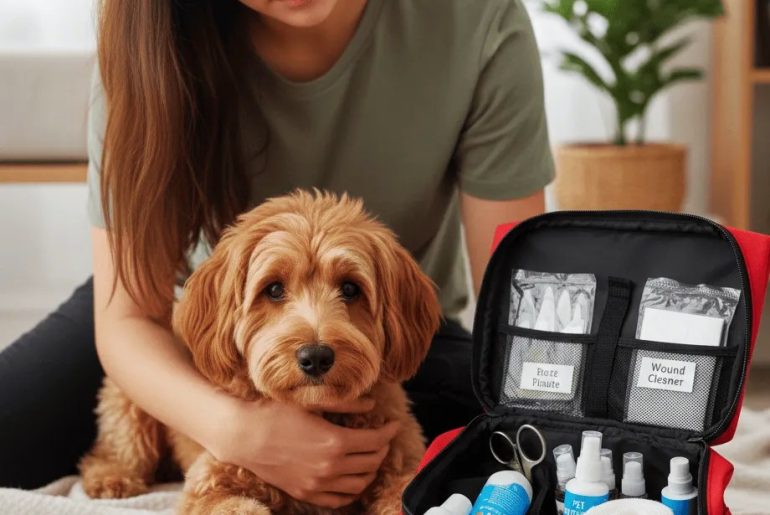
A pet first aid kit is like a quiet guardian sitting on the shelf, unnoticed until the moment it becomes essential. Building one in advance is one of the smartest first aid tips every pet owner should know, because emergencies rarely wait for a store run.
Essential Items Every Pet First Aid Kit Should Include
Stock your kit with items that help you clean wounds, control bleeding, and protect yourself while helping your pet:
- Sterile gauze pads and non-stick bandages
- Adhesive tape or self-adhesive wrap
- Antiseptic wipes or saline solution
- Disposable gloves
- Clean towels or cloths
- Blunt-tip scissors and tweezers
- Digital thermometer
- Cold pack or instant ice pack
- Muzzle or soft cloth for restraint
- Your vet’s contact information and emergency clinic numbers
Optional but Helpful Extras
These items are not always needed, but they can be lifesavers in specific situations:
- Styptic powder for broken nails
- Syringe or dropper for flushing wounds
- Emergency blanket
- Pet-safe cone to prevent licking
Where to Store Your Pet First Aid Kit
Keep one kit in your home where it is easy to grab, and consider a smaller version for your car or travel bag. In an emergency, convenience matters more than perfection.
How to Maintain Your Kit
Check your kit every few months. Replace expired items, restock used supplies, and update contact numbers if your vet or location changes. A kit that is outdated is almost as risky as having none at all.
These first aid tips every pet owner should know turn preparation into confidence. When the unexpected happens, you will not be scrambling. You will already be ready
Common First Aid Mistakes Pet Owners Should Avoid
Good intentions can sometimes cause harm. In stressful moments, it is easy to act fast without acting smart. Knowing these common mistakes is just as important as learning first aid tips every pet owner should know, because avoiding the wrong move can protect your pet from serious complications.
Delaying Veterinary Care
One of the most dangerous mistakes is waiting too long. First aid is meant to stabilize, not replace a veterinarian. If symptoms are severe, worsening, or unclear, professional care should never be postponed.
Using Human Medications on Pets
Never give pets human painkillers or medications unless your vet specifically approves them. Drugs like ibuprofen, acetaminophen, and aspirin can be toxic or even fatal to dogs and cats.
Forcing Food, Water, or Vomiting
If your pet is unconscious, choking, vomiting, or poisoned, forcing anything into the mouth can cause aspiration or further injury. Inducing vomiting without veterinary guidance is especially risky and often harmful.
Ignoring Personal Safety
Fear and pain can make even gentle pets react unpredictably. Skipping basic safety steps like using a towel, muzzle, or gloves can lead to bites and scratches that complicate the emergency.
Applying Unsafe Home Remedies
Butter on burns, alcohol on wounds, or random online “hacks” can delay healing and worsen injuries. Stick to clean water, basic first aid supplies, and professional advice.
Panicking Instead of Observing
Rushing without assessing the situation can make things worse. Take a moment to observe breathing, bleeding, and behavior. Calm actions are often the most effective.
Avoiding these mistakes helps ensure your first aid efforts actually help. When in doubt, pause, protect, and call the vet. Your pet’s safety always comes first.
read more information about First Aid Tips Every Pet Owner Should Know by visit this site
Conclusion & Call-to-Action
Emergencies test more than nerves. They test readiness. By learning and applying first aid tips every pet owner should know, you give your dog or cat something priceless: a calmer, safer chance when things go wrong. From treating wounds to recognizing poisoning or breathing trouble, small actions taken quickly can shape much better outcomes.
First aid does not replace a veterinarian, but it builds a vital bridge until professional care is available. Knowledge turns panic into purpose, and preparation turns fear into focus.
Now is the moment to act.
Bookmark this guide. Build or update your pet first aid kit today. Save your vet’s emergency number in your phone. If possible, talk to your veterinarian about pet first aid training or CPR classes.
Your pet depends on you in every moment, especially the unexpected ones. Be ready when they need you most.