
Pet owners across the USA are becoming more conscious about what goes into their pets’ bowls. With growing concerns about preservatives, artificial flavors, and low-quality fillers in commercial pet foods, many are turning to home made pet food recipes as a healthier alternative.
Preparing meals at home allows you to control ingredients, customize nutrition, and cater to your pet’s unique needs. Whether you have a dog with food allergies or a cat that prefers fresh meals, homemade pet food offers flexibility and peace of mind that store-bought options often lack.
In this guide, we’ll explore the benefits of home made pet food recipes, essential nutrients your pet needs, easy recipes for dogs and cats, and important safety tips to ensure every meal is balanced and vet-approved. If you’re ready to feed your pet fresher, cleaner, and more nutritious meals, you’re in the right place.
What Are Home Made Pet Food Recipes?

Home made pet food recipes are meals prepared at home using fresh, whole ingredients specifically chosen to meet a pet’s nutritional needs. Instead of relying on commercial kibble or canned foods, pet owners cook or assemble meals using ingredients like lean meats, vegetables, healthy carbohydrates, and essential supplements.
These recipes can range from simple cooked meals such as chicken and rice for dogs to more tailored diets designed for pets with allergies, sensitive stomachs, or specific health goals. Unlike treats, home made pet food recipes are intended to be complete and balanced meals, not just occasional snacks.
One of the biggest advantages of home made pet food recipes is ingredient transparency. You know exactly what goes into your pet’s food, allowing you to avoid artificial additives, preservatives, and low-quality fillers. However, it’s important to follow nutritionally sound recipes and, when possible, consult a veterinarian to ensure your pet receives the right balance of protein, fats, vitamins, and minerals.
When prepared correctly, home made pet food recipes can support better digestion, healthier coats, improved energy levels, and overall well-being for both dogs and cats.
Benefits of Home Made Pet Food Recipes
Choosing home made pet food recipes offers several advantages for pet owners who want greater control over their pets’ health and nutrition. When prepared correctly, homemade meals can be both safe and highly beneficial for dogs and cats.
Better Control Over Ingredients
With home made pet food recipes, you decide exactly what goes into each meal. This helps eliminate artificial preservatives, colors, and low-quality fillers commonly found in some commercial pet foods. Fresh, whole ingredients mean cleaner nutrition for your pet.
Improved Digestion and Nutrient Absorption
Many pets digest homemade meals more easily than processed foods. Fresh proteins, vegetables, and carbohydrates are gentler on the stomach and can lead to fewer digestive issues such as bloating, gas, or irregular stools.
Supports Healthier Skin and Coat
Balanced home made pet food recipes that include healthy fats like omega-3 and omega-6 can improve coat shine and reduce skin irritation. Pet owners often notice softer fur and less shedding after switching to homemade meals.
Ideal for Pets With Allergies or Sensitivities
Homemade diets make it easier to avoid common allergens such as corn, wheat, soy, or certain proteins. This is especially helpful for pets with food intolerances or chronic itching and ear infections.
Custom Nutrition for Different Life Stages
Home made pet food recipes can be adjusted for puppies, kittens, adult pets, or seniors. Portion sizes and nutrients can be tailored to your pet’s age, size, and activity level.
Increased Palatability and Appetite
Freshly prepared meals often smell and taste better to pets than packaged foods. This can encourage picky eaters to finish their meals and maintain a healthy appetite.
When planned with proper nutritional balance, home made pet food recipes can be a rewarding way to support your pet’s long-term health while giving you peace of mind about what they eat every day.
EXTRA – YOU CAN READ ABOUT Toxic foods to avoid BY VISIT MY BLOG
Essential Nutrients Every Home Made Pet Food Recipe Must Include
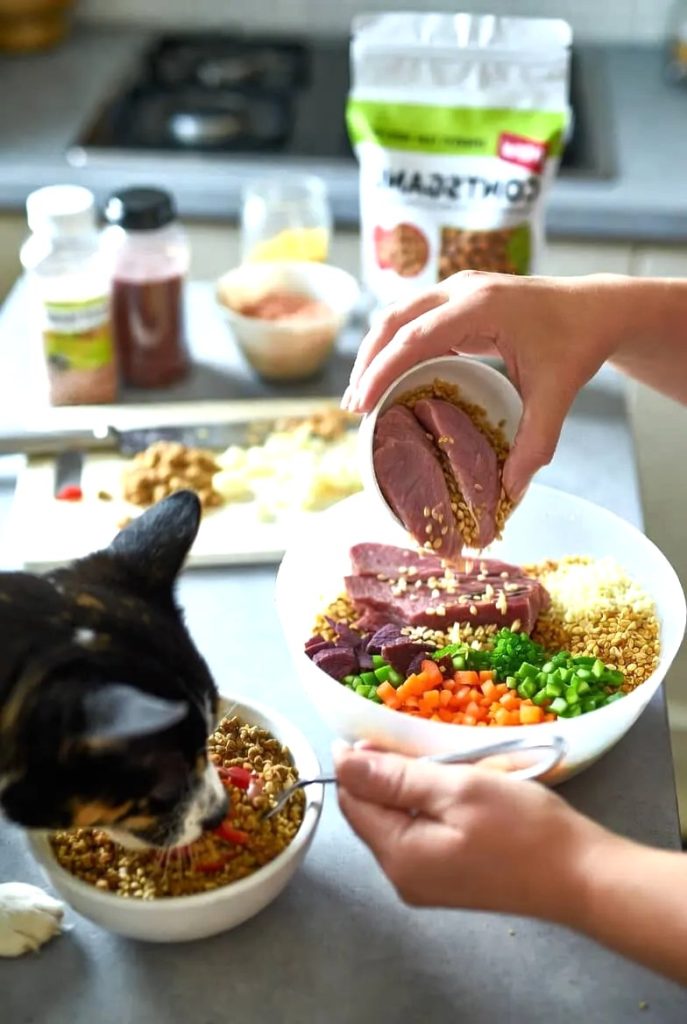
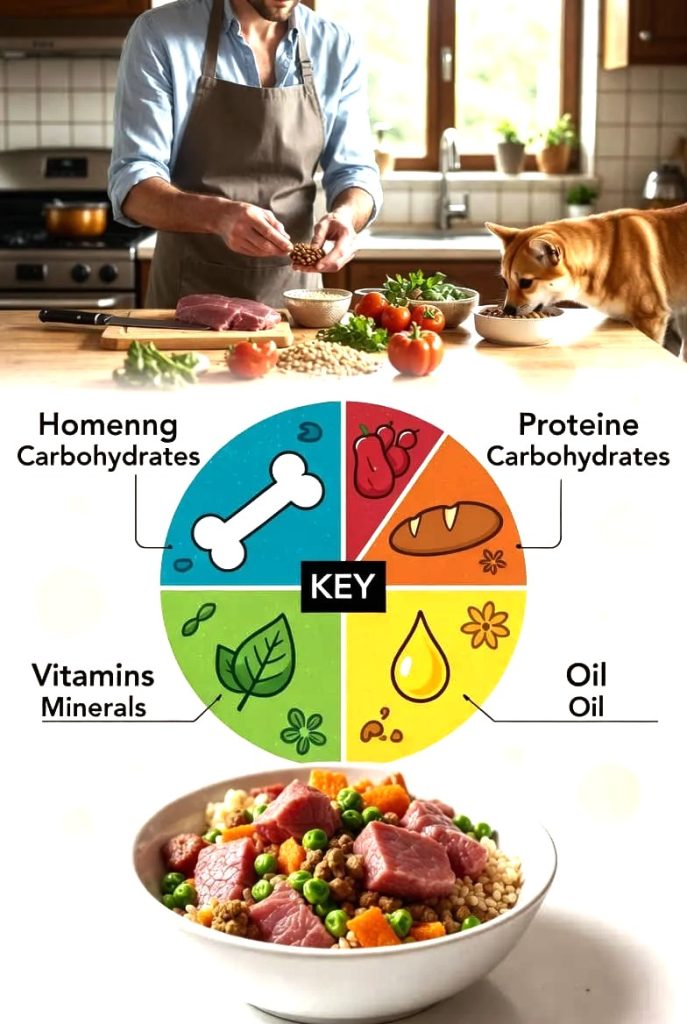
For home made pet food recipes to be safe and beneficial, they must provide complete and balanced nutrition. Simply cooking meat and vegetables is not enough. Pets require specific nutrients in the right proportions to stay healthy, active, and strong.
High-Quality Protein
Protein is the foundation of every home made pet food recipe. It supports muscle development, immune function, and energy levels. Common protein sources include chicken, turkey, beef, fish, eggs, and organ meats. Cats, in particular, need higher protein levels because they are obligate carnivores.
Healthy Fats
Fats provide energy and help maintain healthy skin and a shiny coat. They also aid in the absorption of fat-soluble vitamins. Ingredients such as fish oil, flaxseed oil, and small amounts of animal fat are excellent additions to balanced home made pet food recipes.
Carbohydrates and Fiber
Carbohydrates supply energy and fiber supports digestion. Ingredients like rice, oats, sweet potatoes, pumpkin, and certain vegetables can be included in moderation. While dogs can digest carbohydrates well, cats require them in much smaller amounts.
Essential Vitamins
Vitamins are crucial for vision, bone strength, metabolism, and immune health. Vitamins A, B-complex, D, and E must be present in proper amounts. Many home made pet food recipes require veterinary-approved vitamin supplements to avoid deficiencies.
Essential Minerals
Minerals such as calcium, phosphorus, zinc, iron, and magnesium are vital for bone health, blood function, and nerve signaling. Calcium is especially important and is often missing in homemade diets unless properly supplemented.
Taurine (Especially for Cats)
Taurine is an essential amino acid for cats and must be included in all cat-specific home made pet food recipes. A lack of taurine can lead to serious heart and vision problems.
Water and Moisture
Adequate moisture helps support kidney health and hydration. One advantage of home made pet food recipes is their naturally higher moisture content compared to dry kibble.
When all these nutrients are included in the correct balance, home made pet food recipes can provide complete nutrition and support long-term health for both dogs and cats.
Easy Home Made Pet Food Recipes for Dogs
Simple Home Made Pet Food Recipes for Cats
These easy home made pet food recipes for dogs are beginner-friendly, use simple ingredients, and are gentle on digestion. They are ideal for pet owners who want healthier meals without complicated cooking. Always introduce new foods gradually and consult your vet if your dog has special health needs.
Chicken and Rice Dog Food Recipe
This is one of the most popular home made pet food recipes for dogs, especially for sensitive stomachs.
Ingredients:
- Cooked boneless chicken breast (shredded)
- Cooked white or brown rice
- Carrots or pumpkin (boiled and mashed)
- Small amount of fish oil
Benefits:
Easy to digest, low in fat, and great for dogs recovering from stomach upset.
Beef and Vegetable Home Made Dog Food
A balanced recipe for active and adult dogs.
Ingredients:
- Lean ground beef (fully cooked)
- Sweet potatoes (boiled and mashed)
- Green beans or peas
- A pinch of calcium supplement (vet-approved)
Benefits:
High protein for muscle support and fiber for healthy digestion.
Grain-Free Home Made Dog Food Recipe
Perfect for dogs with grain allergies or sensitivities.
Ingredients:
- Cooked turkey or fish
- Pumpkin or squash
- Spinach or zucchini (lightly cooked)
- Coconut oil or salmon oil
Benefits:
Supports skin health and reduces allergic reactions.
Simple Egg and Vegetable Dog Meal
A quick option for variety in your dog’s diet.
Ingredients:
- Scrambled eggs (no salt or seasoning)
- Cooked oats or quinoa
- Steamed vegetables like carrots or broccoli
Benefits:
Rich in protein and vitamins, great for picky eaters.
Feeding Tips for Dogs
- Serve food at room temperature
- Adjust portions based on your dog’s weight and activity level
- Store leftovers in the refrigerator for up to 3 days
These easy home made pet food recipes for dogs can help improve digestion, coat quality, and overall health when prepared with proper balance and care.
you can read more about Easy Home Made Pet Food Recipes for Dogs by visit this site
Foods to Avoid in Home Made Pet Food Recipes
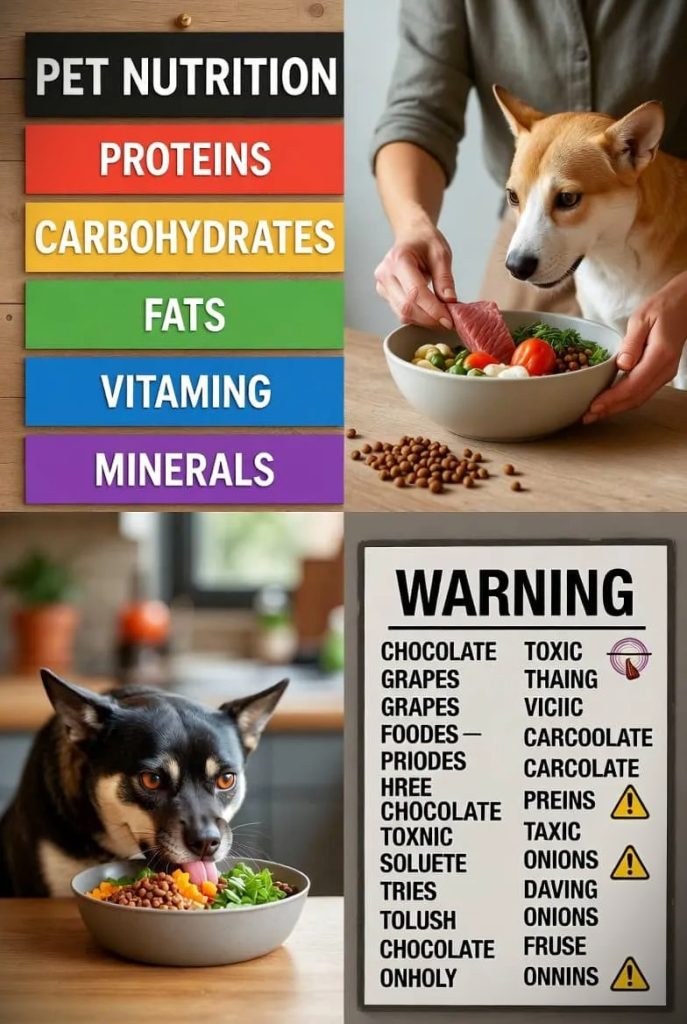
When preparing home made pet food recipes, knowing what not to include is just as important as choosing healthy ingredients. Some common human foods can be toxic or dangerous for pets, even in small amounts.
Toxic Foods for Dogs and Cats
These foods should never be used in home made pet food recipes:
- Onions, Garlic, Leeks, and Chives
Can damage red blood cells and cause anemia. - Chocolate and Caffeine
Contain theobromine, which is highly toxic and can affect the heart and nervous system. - Grapes and Raisins
May cause sudden kidney failure in dogs. - Xylitol (Artificial Sweetener)
Found in sugar-free gum and peanut butter; extremely dangerous for dogs. - Alcohol and Raw Dough
Can cause poisoning and severe digestive issues.
Foods That Are Unsafe or Risky
These ingredients may cause harm if included in home made pet food recipes:
- Cooked Bones
Can splinter and cause choking or internal injuries. - Raw Eggs and Raw Fish
Risk of bacterial contamination and nutrient absorption issues. - Excess Salt and Seasonings
Can lead to dehydration and sodium toxicity. - Dairy Products
Many pets are lactose intolerant, leading to stomach upset.
Common Homemade Feeding Mistakes
Avoid these mistakes when preparing home made pet food recipes:
- Skipping essential supplements like calcium and taurine
- Feeding the same recipe every day without variety
- Using human leftovers with spices or sauces
- Overfeeding treats instead of balanced meals
Feeding Guidelines and Storage Tips
Proper feeding and storage are just as important as choosing the right ingredients when preparing home made pet food recipes. Following these guidelines helps maintain your pet’s health and ensures the meals stay fresh and safe.
Portion Sizes Based on Pet Weight
- Small Dogs (under 20 lbs / 9 kg): ½ to 1 cup per meal, 1–2 times daily
- Medium Dogs (20–50 lbs / 9–23 kg): 1–2 cups per meal, 1–2 times daily
- Large Dogs (50+ lbs / 23+ kg): 2–4 cups per meal, 1–2 times daily
- Cats: About ¼ to ½ cup per meal, 2–3 times daily
These are general guidelines. Always adjust portions based on your pet’s age, activity level, and metabolism. Consult a veterinarian for pets with special dietary needs.
How to Store Home Made Pet Food Safely
- Refrigeration: Store cooked meals in airtight containers for up to 3 days in the fridge.
- Freezing: For longer storage, portion meals into freezer-safe containers or bags. Can last up to 2–3 months.
- Thawing: Thaw frozen meals in the fridge overnight, never at room temperature.
- Serving Temperature: Serve food at room temperature to prevent digestive upset.
Additional Tips
- Prepare food in small batches to maintain freshness.
- Label containers with date of preparation.
- Wash hands, utensils, and cutting boards thoroughly to prevent bacterial contamination.
- Gradually transition pets to homemade meals over 7–10 days to avoid digestive upset.
By following these feeding and storage tips, your home made pet food recipes will stay nutritious, safe, and delicious for your pets.
🟢 Conclusion & Call-to-Action
Switching to home made pet food recipes is one of the best ways to take control of your pet’s nutrition and overall health. By preparing meals with fresh, high-quality ingredients and ensuring a proper balance of protein, fats, carbohydrates, vitamins, and minerals, you can help your dog or cat thrive. Homemade meals not only improve digestion, coat health, and energy levels, but also give you peace of mind knowing exactly what your pet is eating every day.
Whether you’re starting with simple recipes like chicken and rice for dogs or fish and pumpkin for cats, the key is to feed safely, follow portion guidelines, and store meals properly. Over time, these small changes can make a big difference in your pet’s long-term well-being.
Call-to-Action
- Try one new recipe this week and observe how your pet responds.
- Bookmark this guide to keep handy for future meals.
- Share with fellow pet parents so more pets can enjoy the benefits of homemade nutrition.
- For tailored advice, consult your veterinarian before making major dietary changes.
Your pet deserves the healthiest meals possible, and with home made pet food recipes, you can provide meals that are fresh, safe, and full of love. 🐾