

Table of Contents
A food bowl may look simple, but inside it lives a daily decision that shapes your pet’s health, energy, and lifespan. One scoop too much can quietly lead to weight gain. One scoop too little can leave your furry companion low on fuel. So the big question every responsible owner eventually asks is: How Much Should You Feed Your Pet Daily?
In the United States, pet obesity is rising, while some pets still suffer from underfeeding due to guesswork or outdated advice. The truth is, there is no universal “one-size-fits-all” portion. The right amount depends on your pet’s age, weight, breed, activity level, and even whether they spend their days chasing toys or napping in sunbeams.
This guide breaks it all down in simple, practical terms. Whether you have a playful puppy, a laid-back indoor cat, or a senior companion enjoying slower walks, you’ll learn how to determine the right daily feeding amount with confidence.
Because when it comes to your pet’s bowl, precision matters — and a healthy life starts with the right portion. 🐾
How Much Should You Feed Your Pet Daily? Understanding the Basics
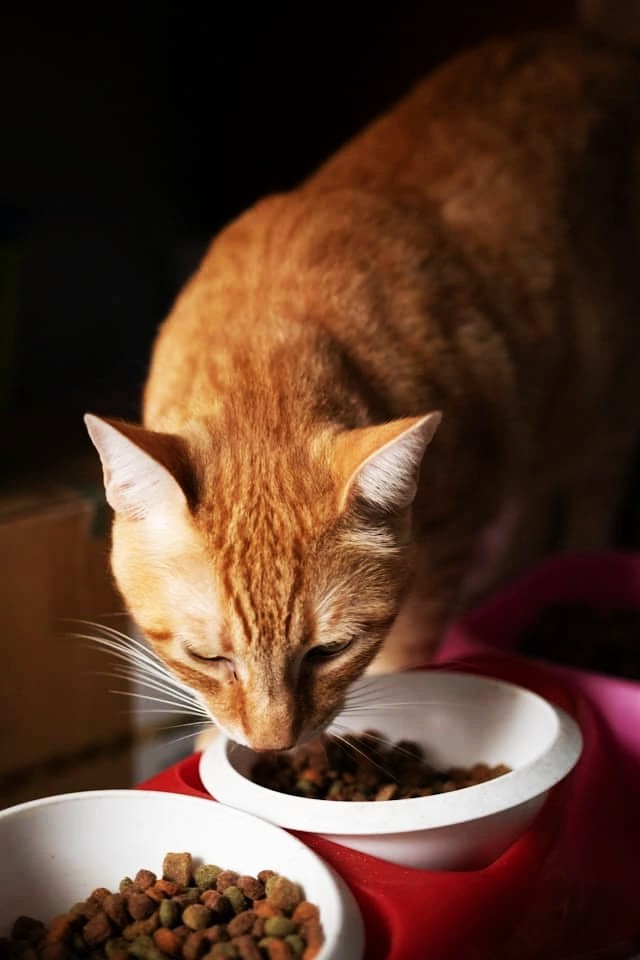
Feeding your pet is not just about filling a bowl. It is about fueling a body that runs, jumps, naps, digests, grows, and heals every single day. When asking How Much Should You Feed Your Pet Daily?, the real answer begins with understanding a few core principles.
1️⃣ It’s About Calories, Not Just Cups
Portion size can be deceiving. One cup of food from Brand A may contain far more calories than one cup from Brand B.
What truly matters is:
- Daily calorie requirement
- Calories per cup (or can) of food
Pet food labels usually list calories in:
- kcal per cup (dry food)
- kcal per can (wet food)
Always start there.
2️⃣ Your Pet’s Weight Matters Most
Your pet’s current healthy weight is the foundation for calculating daily food needs.
In general:
- Small pets need fewer total calories but often more per pound of body weight.
- Large pets need more total calories but fewer per pound.
If your pet is overweight, feeding should be based on their ideal weight, not their current weight.
3️⃣ Age Changes Everything
A growing puppy or kitten is like a tiny engine running at full speed. They burn energy rapidly and need:
- More calories per pound
- Multiple meals per day
Adult pets need steady maintenance calories.
Senior pets often require slightly fewer calories due to lower activity levels.
4️⃣ Activity Level Plays a Huge Role
Think of it like this:
- A working dog, hiking companion, or outdoor cat = higher energy burn
- An indoor cat who naps 16 hours a day = lower calorie needs
Two pets of the same breed and weight may need very different feeding amounts depending on lifestyle.
5️⃣ Health Conditions Can Shift Feeding Needs
Certain conditions require adjustments, including:
- Obesity
- Diabetes
- Kidney disease
- Pregnancy or nursing
In these cases, veterinary guidance is essential.
6️⃣ Treats Count Too
Many owners forget this important detail. Treats are calories. Table scraps are calories. Even that “tiny extra scoop” is calories.
A good rule:
👉 Treats should make up no more than 10% of your pet’s daily calorie intake.
The Bottom Line
When figuring out how much you should feed your pet daily, remember:
It is not guesswork.
It is not based on what your neighbor feeds their dog.
It is not based on bowl size.
It is a balance of weight, age, activity, and calorie density of the food you choose.
Once you understand these basics, calculating the right portion becomes far less confusing — and far more accurate. 🐾
How Much Should You Feed Your Cat Daily?

A cat’s appetite can be theatrical. One day they act as if the bowl is a treasure chest. The next day, they sniff it like a food critic unimpressed by the chef. So how much should you actually serve?
When asking How Much Should You Feed Your Cat Daily?, the answer depends on weight, age, lifestyle, and the type of food you’re offering.
🧮 Average Daily Calorie Needs for Cats
As a general guideline:
- Adult indoor cats: 20–25 calories per pound of body weight per day
- Active or outdoor cats: 25–35 calories per pound per day
Example:
A healthy 10-pound indoor cat usually needs about 200–250 calories per day.
But calories matter more than scoops. Always check the label for:
- kcal per cup (dry food)
- kcal per can (wet food)
⚖️ Feeding Guidelines by Weight
Here’s a simple reference chart for healthy adult indoor cats:
| Weight | Approximate Daily Calories |
|---|---|
| 5 lbs | 100–125 kcal |
| 8 lbs | 160–200 kcal |
| 10 lbs | 200–250 kcal |
| 12 lbs | 240–300 kcal |
Adjust based on activity and body condition.
🏠 Indoor vs Outdoor Cats
Indoor cats burn fewer calories. Many live what could be described as a “professional napper” lifestyle.
Outdoor cats:
- Climb
- Hunt
- Roam
- Stay alert
They typically require more daily calories to maintain a healthy weight.
🐾 Kittens vs Adult vs Senior Cats
Kittens (up to 1 year):
- Need up to 2x the calories per pound compared to adults
- Should be fed 3–4 small meals daily
Adult Cats (1–7 years):
- Usually thrive on 2 measured meals per day
Senior Cats (7+ years):
- May need slightly fewer calories
- Monitor weight closely to prevent muscle loss
🥣 Dry Food vs Wet Food Portions
Dry food is calorie-dense. A small scoop can contain a large number of calories.
Wet food contains more moisture and fewer calories per volume, so portion sizes look bigger but may deliver fewer calories.
Always compare calorie counts rather than relying on visual portion size.
🚨 Signs You’re Feeding Too Much or Too Little
Overfeeding signs:
- Visible belly pouch growing larger
- Difficulty grooming
- Reduced activity
Underfeeding signs:
- Visible ribs
- Dull coat
- Low energy
Your cat’s body condition is the best real-world indicator.
🩺 When to Consult a Vet
Seek professional advice if your cat:
- Is rapidly gaining or losing weight
- Has diabetes or kidney disease
- Is pregnant or nursing
The Takeaway
The right answer to How Much Should You Feed Your Cat Daily? is not a random scoop. It is a measured, calorie-based decision tailored to your cat’s weight, life stage, and lifestyle.
Measure. Monitor. Adjust when needed.
Because a well-fed cat is not just full — it is thriving.
How to Calculate Exactly How Much You Should Feed Your Pet Daily
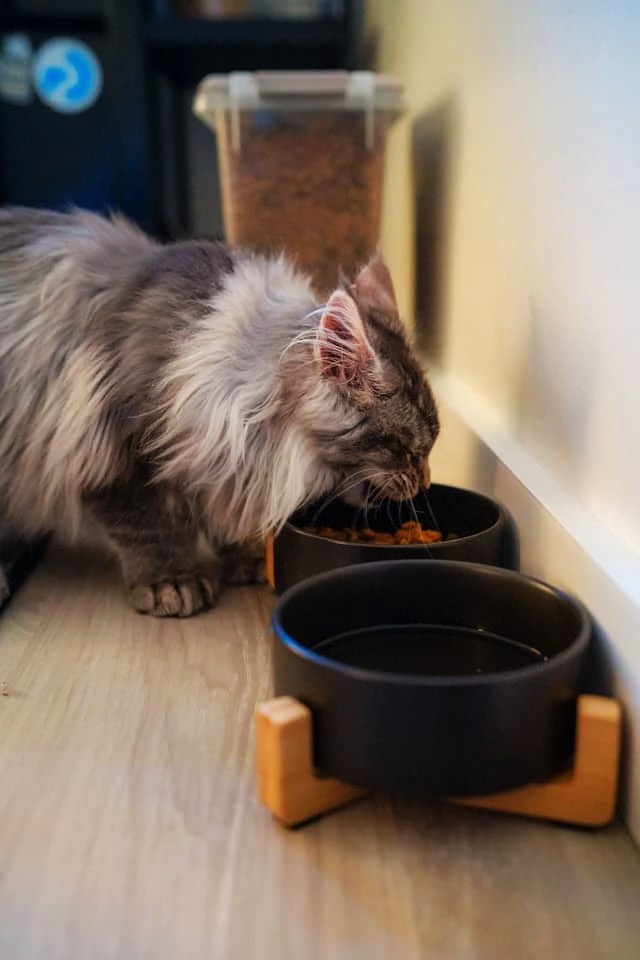
Now we move from guesswork to gentle math. Nothing dramatic. No lab coat required. Just a scale, a food label, and a little calculation magic.
When determining how much you should feed your pet daily, follow this simple 4-step formula.
Step 1: Find Your Pet’s Ideal Weight
Use your pet’s ideal healthy weight, not their current overweight number.
If unsure, your veterinarian can confirm this. Body condition charts are also helpful for estimating whether your pet is underweight, ideal, or overweight.
Step 2: Calculate Daily Calorie Needs
Here’s a simple starting point:
Dogs:
- Adult dogs: 25–30 calories per pound of body weight per day
Cats:
- Indoor adult cats: 20–25 calories per pound per day
Example:
A 20 lb adult dog needing 30 calories per pound:
20 × 30 = 600 calories per day
A 10 lb indoor cat needing 22 calories per pound:
10 × 22 = 220 calories per day
That’s your target daily calorie intake.
Step 3: Check Your Pet Food Label
Look for something like:
- 350 kcal per cup (dry food)
- 180 kcal per can (wet food)
This number is crucial. It tells you how calorie-dense the food is.
Step 4: Divide Calories by Calories Per Cup (or Can)
Here’s the simple formula:
Daily Calories Needed ÷ Calories Per Cup = Cups Per Day
Example for the 20 lb dog:
600 calories needed ÷ 350 kcal per cup = 1.7 cups per day
So that dog should eat about 1¾ cups daily, divided into two meals.
Example for the 10 lb cat:
220 calories needed ÷ 180 kcal per can = 1.2 cans per day
So roughly 1¼ cans daily, split into meals.
Step 5: Adjust for Treats
If treats make up 10% of daily calories:
For the 600-calorie dog:
- 60 calories can come from treats
- 540 calories should come from regular food
This means slightly reducing the measured food portion.
Step 6: Monitor and Fine-Tune
After 2–4 weeks:
- Gaining weight? Slightly reduce food.
- Losing too much weight? Slightly increase.
- Maintaining ideal body condition? You nailed it. 🎯
Feeding is not a one-time decision. It is a living adjustment that shifts as your pet ages, slows down, speeds up, or changes seasons.
Quick Summary Formula
- Find ideal weight
- Multiply by calorie requirement per pound
- Divide by food’s calories per cup
- Adjust for treats
- Monitor body condition
Simple math. Smart feeding. Healthier life.
Because when portions are measured with intention, every meal becomes an investment in years of tail wags and contented purrs. 🐶🐱
Signs You Are Overfeeding or Underfeeding
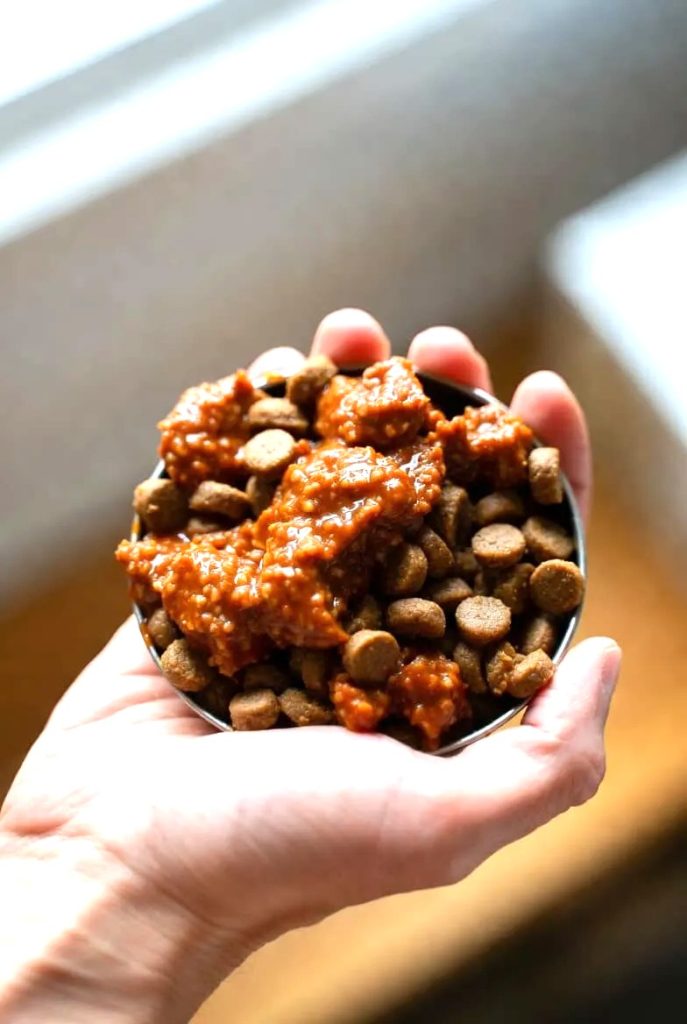
Your pet’s food bowl may be silent, but their body is constantly giving feedback. Weight changes, coat condition, and energy levels are all clues that help answer the question: Are you feeding the right amount daily?
Here’s how to tell if portions need adjusting.
🟥 Signs You Are Overfeeding Your Pet
Overfeeding often happens gradually. A few extra treats here, a slightly generous scoop there, and the scale begins to creep upward.
1️⃣ Unexplained Weight Gain
- Waistline becomes less visible
- Belly appears rounder
- You struggle to feel ribs under a light fat layer
2️⃣ Reduced Activity
Excess weight can make pets:
- Tire more quickly
- Avoid stairs or jumping
- Show less interest in play
3️⃣ Joint or Breathing Strain
Heavier pets may:
- Pant more easily
- Show stiffness when standing
- Move slower than usual
4️⃣ Digestive Issues
Too much food can lead to:
- Soft stools
- Gas
- Occasional vomiting
🟦 Signs You Are Underfeeding Your Pet
Underfeeding can weaken your pet over time. The signs may appear subtle at first.
1️⃣ Visible Bones
- Ribs clearly visible
- Spine or hip bones prominent
Healthy pets should have ribs you can feel, but not sharply see.
2️⃣ Low Energy
Your pet may seem:
- Lethargic
- Less playful
- Easily fatigued
3️⃣ Dull or Thinning Coat
Insufficient nutrition often shows up in the fur first. The coat may look dry or brittle.
4️⃣ Persistent Hunger Behavior
- Constant begging
- Eating very quickly
- Searching for scraps
⚖️ Quick At-Home Body Condition Check
Stand above your pet and look down:
- A slight waist should be visible behind the ribs.
View from the side:
- The abdomen should gently tuck upward.
Feel along the ribs:
- You should detect them easily without pressing hard.
If ribs are hard to find → possible overfeeding.
If ribs are sharply visible → possible underfeeding.
🚨 When to Seek Veterinary Advice
Contact a veterinarian if you notice:
- Rapid weight gain or loss
- Sudden appetite changes
- Muscle loss
- Ongoing digestive problems
These can signal medical issues beyond portion size.
The Takeaway
Feeding the correct amount daily is not about filling the bowl until it looks generous. It is about maintaining balance.
When you monitor body condition regularly and adjust portions carefully, you protect your pet’s long-term health, mobility, and quality of life.
A properly fed pet is energetic, lean, and thriving — not just full. 🐶🐱
Common Mistakes Pet Owners Make When Deciding How Much to Feed
Feeding time feels simple. Scoop. Pour. Serve. Done.
But hidden inside that routine are small errors that quietly tilt the scale over weeks and months. When figuring out How Much Should You Feed Your Pet Daily?, avoiding these common mistakes can make all the difference.
1️⃣ Guessing Instead of Measuring
Eyeballing portions is the most common trap.
One “about a cup” today becomes a heaping cup tomorrow. Over time, those tiny overfills add up.
✔ Use a proper measuring cup or, even better, a kitchen scale for precision.
2️⃣ Ignoring Calories in Treats
Treats feel small. They are not small in calories.
Biscuits, training treats, table scraps, even peanut butter licks all count toward daily intake. Many owners forget to subtract treat calories from regular meals.
✔ Treats should stay under 10% of total daily calories.
3️⃣ Following the Bag Without Adjustment
Pet food labels provide general feeding ranges. They are starting points, not universal rules.
Two dogs of the same weight can have very different calorie needs depending on:
- Activity level
- Metabolism
- Health status
✔ Use label guidelines as a baseline, then adjust based on body condition.
4️⃣ Free Feeding Without Monitoring
Leaving food available all day works for some pets, but often leads to overeating, especially in indoor cats and less active dogs.
✔ If free feeding, measure the total daily amount first rather than refilling the bowl repeatedly.
5️⃣ Not Adjusting for Life Stages
A puppy’s needs are not the same as a senior dog’s.
A playful kitten is not the same as a calm adult cat.
Failing to adjust portions as pets age can lead to unwanted weight gain or loss.
✔ Reevaluate portions at least once a year, or during major life changes.
6️⃣ Switching Foods Without Recalculating
Different brands and formulas have different calorie densities.
One cup of one brand might equal 300 kcal. Another might equal 450 kcal. Same scoop. Very different impact.
✔ Always recalculate portions when switching foods.
7️⃣ Feeding Based on “Appetite Drama”
Pets are talented performers. Some act perpetually hungry. Others skip meals theatrically.
Feeding based purely on begging behavior can lead to overfeeding.
✔ Let body condition guide decisions, not puppy-dog eyes.
8️⃣ Not Monitoring Weight Regularly
Many owners only notice weight gain after it becomes obvious.
✔ Weigh your pet monthly if possible.
✔ Use body condition checks every few weeks.
The Bottom Line
The biggest feeding mistake is assuming the bowl will manage itself. It will not.
Accurate portions require:
- Measuring
- Monitoring
- Adjusting
When you avoid these common mistakes, you transform feeding from a casual routine into a deliberate act of long-term health care. And that small daily habit? It shapes years of vitality
When to Ask a Veterinarian About Feeding Amounts
Most feeding decisions can be managed at home with careful measuring and observation. But sometimes the food bowl becomes part of a bigger medical story. When that happens, guessing is not brave. It is risky.
If you are unsure about how much you should feed your pet daily, these are the moments to bring a veterinarian into the conversation.
1️⃣ Rapid Weight Gain or Weight Loss
If your pet:
- Gains weight quickly despite normal portions
- Loses weight without diet changes
This could signal issues such as thyroid imbalance, diabetes, parasites, or metabolic disorders. Sudden changes are not just feeding problems. They can be health warnings.
2️⃣ Chronic Health Conditions
Pets diagnosed with conditions like:
- Diabetes
- Kidney disease
- Liver disease
- Heart disease
- Food allergies
Often require prescription diets or carefully controlled calorie plans. Portion size in these cases is medical, not optional.
3️⃣ Obesity or Severe Underweight
If your pet is significantly overweight or underweight, standard feeding charts may not apply.
A veterinarian can:
- Calculate precise calorie targets
- Create a structured weight loss or weight gain plan
- Monitor safe progress
Healthy weight change should be gradual and supervised.
4️⃣ Pregnancy or Nursing
Pregnant and nursing pets require increased calories and specific nutrient balances. Underfeeding during this stage can affect both the mother and offspring.
Professional guidance ensures proper support during this demanding period.
5️⃣ Puppies and Kittens With Growth Concerns
Young pets grow rapidly. If growth seems:
- Too fast
- Too slow
- Uneven
A veterinarian can assess whether feeding adjustments are necessary.
6️⃣ Loss of Appetite or Sudden Overeating
Changes in appetite can indicate:
- Dental problems
- Gastrointestinal issues
- Hormonal imbalances
- Stress-related conditions
If appetite shifts dramatically and lasts more than 24–48 hours, especially in cats, seek medical advice.
7️⃣ Senior Pets With Muscle Loss
Older pets sometimes lose muscle mass even if weight appears stable. This may require:
- Protein adjustments
- Calorie recalibration
- Specialized senior diets
A veterinarian can help fine-tune these changes safely.
The Takeaway
Portion control is powerful. But medicine sometimes sits behind the bowl.
If weight changes are sudden, appetite shifts dramatically, or medical conditions are involved, a veterinarian should guide feeding decisions.
Think of it this way: measuring cups handle routine care. Vets handle the complicated chapters. Together, they keep your pet steady, strong, and thriving. 🐶🐱
Conclusion & Call-to-Action
Feeding your pet is not just a daily routine. It is a daily decision that shapes their weight, energy, mobility, and long-term health. The question “How Much Should You Feed Your Pet Daily?” does not have a one-scoop answer. It depends on weight, age, activity level, life stage, and even the calorie density of the food you choose.
The good news? It is not complicated once you follow the right steps:
- Calculate calorie needs based on ideal weight
- Check the food label carefully
- Measure portions accurately
- Count treats
- Monitor body condition regularly
Small adjustments today prevent bigger health problems tomorrow.
Your pet depends on you for balance. Not too much. Not too little. Just right.
✅ Take Action Today
- Measure your pet’s next meal instead of guessing
- Check the calorie content on the food bag or can
- Do a quick body condition check this week
- Schedule a vet consultation if weight changes concern you
Consistency creates results. And when you feed with intention, you are not just filling a bowl. You are fueling a longer, healthier, happier life for your furry companion. 🐶🐱