
Table of Contents
Bringing home a kitten is exciting, heart-warming, and a little overwhelming at the same time. The first six months of a kitten’s life are the most important for building strong health, good behavior, and a loving bond that lasts for years. If you are a new pet parent, you may be wondering how to take care of a kitten from 1 to 6 months the right way.
During this early stage, kittens grow rapidly, learn essential social skills, and develop habits that shape their adult life. From feeding and grooming to vaccinations and playtime, each month comes with different needs and challenges. Missing small details now can lead to health or behavior problems later.
This guide is designed to walk you step by step through everything you need to know about caring for a kitten from 1 to 6 months. Whether you just adopted a tiny furball or are preparing for one, you’ll find practical, easy-to-follow tips to help your kitten grow into a happy, healthy cat.
How to Take Care of a Kitten From 1 to 6 Months – Month-by-Month Guide
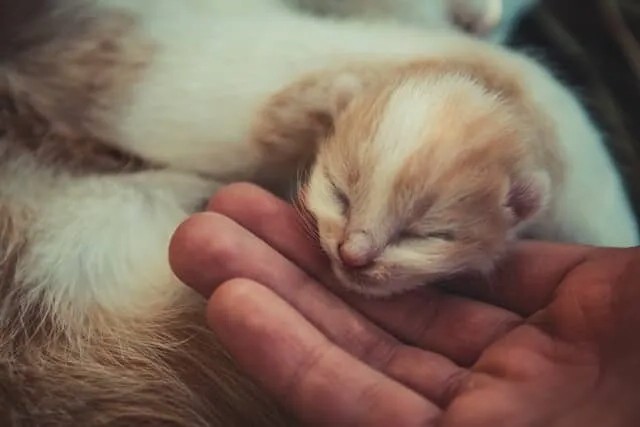
A kitten’s first six months feel like fast-forward life. One week they wobble like tiny wind-up toys, the next they are sprinting across the house with fearless confidence. Understanding what your kitten needs at each stage makes caring for them easier and far more rewarding. Below is a simple, month-by-month guide to help you give the best care during this critical growth period.
Kitten Care at 1–2 Months
At this age, kittens are still very young and need extra warmth, nutrition, and gentle handling. Most kittens are just starting to wean from their mother’s milk.
Feeding should include soft, high-quality kitten food, either wet food or dry kibble soaked in warm water. Kittens at 1–2 months need to eat small meals several times a day to support rapid growth. Fresh water should always be available.
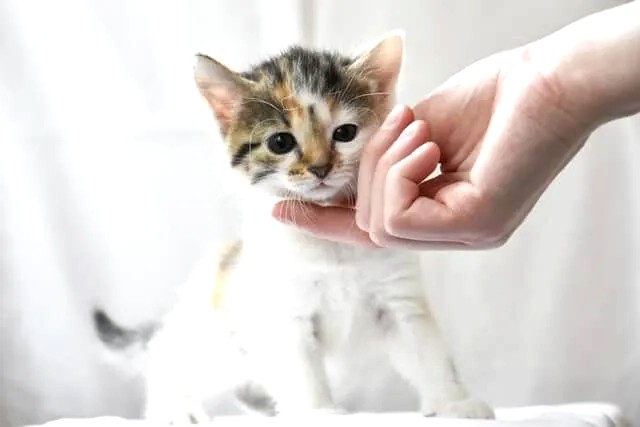
Keep your kitten in a warm, safe space away from loud noises and rough handling. This is also the best time to begin gentle socialization. Talk softly, handle them carefully, and allow short play sessions to build trust.
A first vet visit is important during this stage. Your veterinarian will check overall health, discuss deworming, and plan the vaccination schedule.
Kitten Care at 3–4 Months
Between 3 and 4 months, kittens become more active, curious, and playful. Their coordination improves, and their personalities start to shine.
At this stage, kittens should be fully eating solid kitten food. Stick to a regular feeding schedule and avoid giving adult cat food, as kittens need extra nutrients for growth. Teething may begin, so offering safe chew toys can help reduce discomfort.
Litter training usually becomes more consistent during this period. Keep the litter box clean and place it in a quiet, easy-to-access location. Positive reinforcement works best when accidents happen.
Vaccinations are typically given during these months, along with continued parasite prevention. Regular vet visits help ensure your kitten is growing properly and staying healthy.
Kitten Care at 5–6 Months
By 5 to 6 months, your kitten starts looking more like a small adult cat, but they still need kitten-specific care. Energy levels are high, and playtime becomes essential for both physical and mental health.
Continue feeding high-quality kitten food and monitor portion sizes to avoid overeating. This is also a good time to discuss spaying or neutering with your veterinarian, as many kittens are ready around this age.
Behavior training becomes more important now. Encourage good habits like using scratching posts instead of furniture and responding to gentle boundaries. Daily play sessions help prevent boredom and destructive behavior.
Your kitten is learning independence, but consistency, affection, and routine remain key. With proper care during these months, you set the foundation for a healthy, well-adjusted adult cat.
Feeding Tips for Kittens From 1 to 6 Months
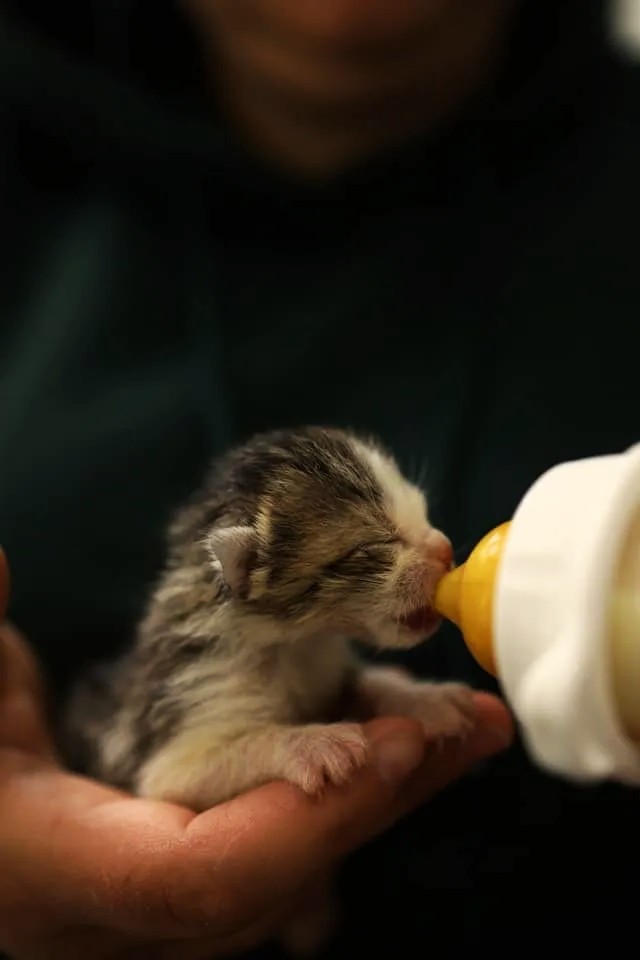
Feeding your kitten properly during the first six months is like laying bricks for a strong house. Get it right, and everything above stands firm. Because kittens grow fast, their bodies need more energy, protein, and nutrients than adult cats. Understanding how to take care of a kitten from 1 to 6 months starts with smart, consistent feeding habits.
Choose the Right Kitten Food
Always select food labeled specifically for kittens. Kitten food contains higher levels of protein, fat, vitamins, and minerals that support brain development, strong bones, and healthy muscles. Avoid adult cat food during this stage, as it does not meet a growing kitten’s nutritional needs.
Wet food helps with hydration and is easier to chew for younger kittens, while dry kibble supports dental health. Many owners choose a mix of both for balanced nutrition.read more informations
Feeding Schedule by Age
Kittens have small stomachs but big energy demands, so frequent meals are essential.
- 1–2 months: Feed 4 to 5 small meals a day using soft or moistened kitten food.
- 3–4 months: Feed 3 to 4 meals daily as their digestion becomes more stable.
- 5–6 months: Reduce to 2 to 3 meals per day while maintaining proper portion sizes.
Stick to a routine. Kittens thrive on consistency, and regular feeding times help prevent overeating later.
Portion Control and Growth Monitoring
Overfeeding can lead to obesity, even in young cats. Follow the portion guidelines on the food package and adjust based on your kitten’s activity level and growth. A healthy kitten should feel firm but not round, with ribs that are easy to feel but not visible.
If you are unsure about portions, your veterinarian can help you tailor a feeding plan for your kitten.
Fresh Water Is Always Essential
Clean, fresh water should be available at all times, even if your kitten eats wet food. Use a shallow bowl that is easy to reach and place it away from the litter box. Some kittens prefer running water, so a small pet water fountain can encourage better hydration.
Foods to Avoid Feeding Your Kitten
Certain foods can be harmful or even dangerous for kittens. Avoid giving:
- Cow’s milk (can cause digestive upset)
- Chocolate, onions, garlic, or grapes
- Salty, sugary, or heavily seasoned human foods
- Raw meat or bones
Treats should be minimal and only kitten-safe options should be used.
When to Change Feeding Habits
As your kitten approaches 6 months, you can begin preparing for a gradual transition to fewer meals and more structured feeding times. However, continue using kitten food until at least 12 months unless your veterinarian advises otherwise.
Proper feeding during these early months fuels healthy growth, playful energy, and a strong immune system. It is one of the most important steps in raising a happy, healthy cat.
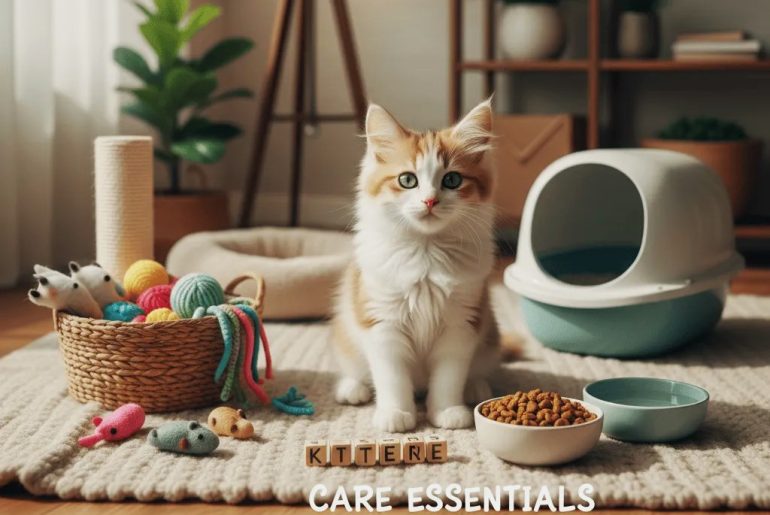
EXTRA YOU CAN READ Kitten care essentials BY VISIT MY SITE
Health Care and Vet Visits for Young Kittens
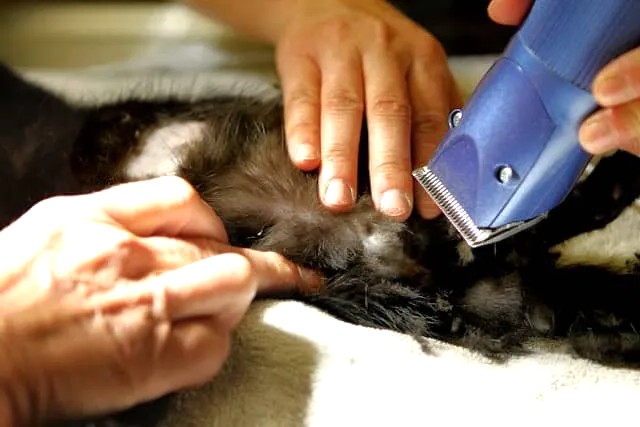
Good health care in the early months is the quiet guardian working behind the scenes of your kitten’s playful life. Regular vet visits help catch problems early, prevent serious diseases, and ensure your kitten grows strong and confident. When learning how to take care of a kitten from 1 to 6 months, health care should always be a top priority.
First Vet Visit: What to Expect
Your kitten’s first veterinary visit should happen as soon as possible after adoption, ideally within the first week. During this visit, the vet will perform a full physical examination to check the eyes, ears, teeth, skin, and overall development.
The vet will also discuss your kitten’s diet, living environment, and behavior. This is the best time to ask questions and create a long-term care plan tailored to your kitten’s needs.
Vaccination Schedule for Kittens
Vaccinations protect kittens from serious and potentially life-threatening diseases. Most kittens begin their vaccination schedule between 6 and 8 weeks of age, followed by booster shots every few weeks.
Core vaccines usually protect against common feline illnesses such as viral infections and respiratory diseases. Your veterinarian will recommend the exact schedule based on your kitten’s age, health, and lifestyle.
Staying on schedule with vaccinations is essential to building a strong immune system during the first six months.
Deworming and Parasite Prevention
Young kittens are often exposed to internal parasites like worms, even if they live indoors. Regular deworming treatments help protect your kitten’s digestive health and overall growth.
Flea and tick prevention is also important, especially in warmer climates. Always use products specifically designed for kittens and follow your vet’s instructions carefully. Never use dog flea treatments on cats, as they can be dangerous.
Monitoring Growth and Development
Each vet visit allows your veterinarian to track your kitten’s weight, body condition, and developmental milestones. Sudden weight loss, poor appetite, or low energy levels should always be taken seriously.
Your vet may also provide guidance on teething, behavior changes, and nutrition adjustments as your kitten grows from month to month.
Spaying or Neutering: When to Plan
Many veterinarians recommend spaying or neutering kittens around 5 to 6 months of age. This procedure helps prevent unwanted litters and can reduce certain behavioral issues later in life.
Discuss the best timing with your veterinarian, as recommendations may vary depending on your kitten’s health and development.
Building a Lifelong Vet Relationship
Regular vet visits during the first six months help your kitten become comfortable with handling and examinations. This early familiarity reduces stress during future visits and supports long-term health care.
By staying proactive with vet care, you are giving your kitten the strongest possible start in life. Healthy kittens grow into happy, active cats, ready to share many years by your side.
Grooming and Hygiene Basics for Kittens
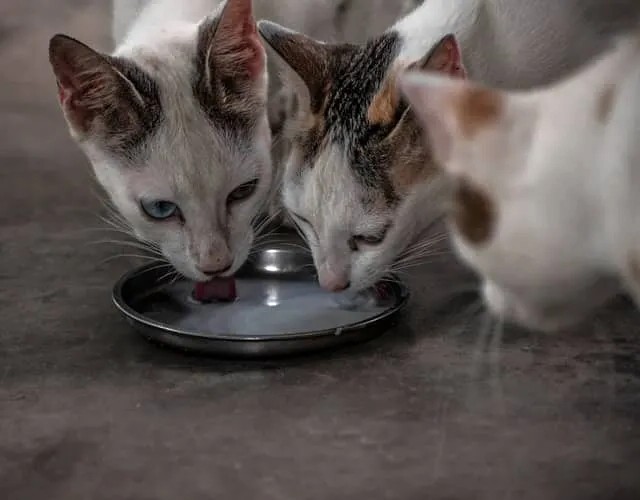
Grooming is more than keeping your kitten cute and camera-ready. It builds trust, supports good health, and teaches your kitten that gentle handling is a normal part of life. When learning how to take care of a kitten from 1 to 6 months, starting simple grooming habits early makes everything easier as your kitten grows.
Brushing Your Kitten’s Fur
Even short-haired kittens benefit from regular brushing. Brushing removes loose fur, reduces shedding, and helps prevent hairballs later in life.
Start with a soft brush and keep sessions short, especially for young kittens. Once or twice a week is enough at first. As your kitten becomes comfortable, brushing can become a calm bonding routine rather than a chore.
Nail Trimming Made Easy
Kittens’ nails grow quickly and can become sharp. Trimming their nails every 2 to 3 weeks helps prevent scratches and damage to furniture.
Use a pet nail clipper and trim only the sharp tip of the nail. Avoid the pink area inside the nail, known as the quick, as it can cause pain and bleeding. Introduce nail trimming slowly and reward your kitten with praise or a small treat afterward.
Ear and Eye Care
Check your kitten’s ears weekly for dirt, redness, or unusual odors. Clean only the visible outer area using a soft, damp cloth or a vet-approved ear cleaner. Never insert anything deep into the ear canal.
Eyes should be clear and bright. Gently wipe away discharge using a clean, damp cloth if needed. Persistent redness or discharge should be checked by a veterinarian.
Bathing: When and When Not to Do It
Most kittens do not need regular baths. Cats are natural self-groomers, and frequent bathing can dry out their skin.
Only bathe your kitten if they get into something messy or sticky. Use warm water and a kitten-safe shampoo, and dry them thoroughly afterward to keep them warm and comfortable.
Dental Care for Young Kittens
Good dental habits can start early. While kittens do not need frequent tooth brushing, gently touching their mouth and gums helps them get used to future dental care.
As your kitten grows, your vet may recommend introducing a soft toothbrush and cat-safe toothpaste to support long-term oral health.
Keeping the Living Space Clean
Clean bedding, toys, food bowls, and litter boxes regularly. A clean environment reduces the risk of infections and keeps your kitten feeling safe and comfortable.
Hygiene routines do not need to be complicated. Gentle, consistent care during the first six months helps your kitten stay healthy and builds positive habits that last a lifetime.
Litter Training and Home Setup Tips
A well-prepared home helps your kitten feel safe, confident, and calm. Litter training and proper home setup are usually easier than many new owners expect, especially when started early. When learning how to take care of a kitten from 1 to 6 months, creating the right environment can prevent most behavior issues before they begin.
Choosing the Right Litter Box
For young kittens, size and accessibility matter. Choose a low-sided litter box that your kitten can easily climb into. Avoid covered litter boxes at first, as they may feel intimidating.
A good rule is to have at least one litter box per kitten, plus one extra if space allows. This helps prevent accidents and territorial issues as your kitten grows.
Picking the Best Litter for Kittens
Unscented, clumping litter is usually the safest and most comfortable choice for kittens. Strong scents can discourage use, and some types of litter may irritate sensitive paws.
Avoid using clumping litter for very young kittens who may try to eat it. Your vet can recommend the safest option based on your kitten’s age.
Litter Training Basics
Most kittens naturally understand how to use a litter box. Place your kitten in the box after meals or naps so they can explore and learn.
If accidents happen, clean the area thoroughly without punishment. Never scold or frighten your kitten, as this can create fear and delay training. Consistency and patience work far better than correction.
Best Litter Box Placement
Place the litter box in a quiet, low-traffic area where your kitten feels safe. Keep it away from food and water bowls, as cats prefer separation between eating and bathroom areas.
Make sure the litter box is always easy to access, especially at night. Blocking access can quickly lead to accidents.
Creating a Safe Home Environment
Kittens are curious and love to explore. Remove or secure loose wires, small objects, and toxic plants. Store cleaning products and medications out of reach.
Provide cozy sleeping areas, scratching posts, and safe toys to encourage healthy behavior and prevent boredom.
Introducing Your Kitten to Their New Home
Limit your kitten to one room at first, especially during the first few days. This helps them learn where their litter box, food, and sleeping area are located. As confidence grows, gradually allow access to more spaces.
A calm, well-organized home helps your kitten adjust faster and reduces stress. With the right setup, litter training becomes a natural habit and your kitten can focus on growing, playing, and bonding with you.
Common Mistakes to Avoid When Raising a Kitten
Raising a kitten is a joyful experience, but small mistakes in the early months can quietly shape long-term health and behavior problems. Understanding what not to do is just as important as learning how to take care of a kitten from 1 to 6 months. Avoiding these common errors will help your kitten grow into a confident, well-adjusted adult cat.
Skipping or Delaying Vet Visits
One of the biggest mistakes new owners make is postponing veterinary care. Kittens need early health checks, vaccinations, and parasite prevention. Skipping these visits can lead to preventable illnesses and higher medical costs later.
Feeding the Wrong Food
Giving adult cat food, human food, or cow’s milk to kittens can cause nutritional deficiencies and digestive problems. Kittens require specially formulated kitten food to support rapid growth and brain development.
Overfeeding or Free Feeding
While kittens need frequent meals, unlimited food can lead to unhealthy weight gain. Overfeeding during early months often results in obesity as the kitten matures. A structured feeding schedule helps maintain healthy habits.
Using Punishment Instead of Guidance
Scolding or punishing a kitten for scratching, biting, or litter box accidents can create fear and anxiety. Kittens learn best through redirection, positive reinforcement, and patience.
Ignoring Play and Socialization Needs
Lack of playtime can result in destructive behavior, boredom, and aggression. Kittens need daily interactive play to burn energy, develop coordination, and learn proper social behavior.
Not Kitten-Proofing the Home
Loose wires, toxic plants, small objects, and open windows pose serious risks. Many accidents happen because owners underestimate how curious and agile kittens can be.
Waiting Too Long to Introduce Grooming
Delaying grooming routines such as brushing or nail trimming can make these tasks stressful later. Early exposure helps kittens accept grooming as a normal part of care.
Forgetting Consistency and Routine
Constantly changing feeding times, litter box locations, or house rules confuses kittens. Consistency builds trust and helps kittens feel secure in their environment.
Avoiding these common mistakes makes kitten care smoother and more enjoyable. With patience, structure, and proper care, your kitten will grow into a healthy companion who fits happily into your home.
Conclusion & Call-to-Action
Caring for a kitten during the first six months is a journey filled with growth, learning, and plenty of unforgettable moments. From proper feeding and health care to grooming, training, and playtime, every small effort you make helps shape your kitten’s future. Understanding how to take care of a kitten from 1 to 6 months gives your pet the best possible start toward a healthy, confident adult life.
Patience, consistency, and love are the true essentials. Kittens thrive when they feel safe, well-nourished, and understood. Even when mistakes happen, gentle guidance and routine will always lead to better results than perfection.