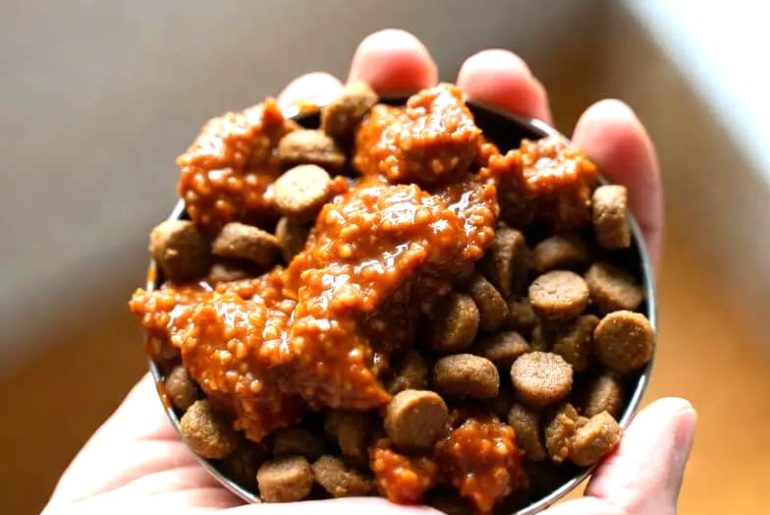

Sharing food with pets often comes from love, not carelessness. A small bite from your plate can feel like a harmless treat, but not all human foods are safe for animals. Some everyday ingredients that are perfectly fine for people can cause digestive trouble or even serious health risks for dogs and cats.
Understanding human foods that are safe for dogs and cats helps pet owners make smarter choices, avoid common feeding mistakes, and protect their pets’ long-term health. This guide clearly explains which fruits, vegetables, and proteins are safe to share, how to serve them properly, and which foods should always stay off your pet’s plate.
Human Foods That Are Safe for Dogs and Cats: The Basics

Not all human food is dangerous for pets, but safety depends on how the food is prepared, how much is given, and which pet is eating it. Before sharing any food from your kitchen, every pet owner should understand these basic rules.
Keep It Plain
Foods must be free from salt, sugar, spices, oils, garlic, onions, and sauces. Even small amounts of seasoning can upset a pet’s stomach or cause long-term health issues.
Portion Size Matters
Human food should be given only as an occasional treat. It should make up no more than 10% of your pet’s daily calories, with the rest coming from balanced pet food.
Dogs and Cats Have Different Needs
Dogs can safely eat a wider variety of foods because they are omnivores. Cats are obligate carnivores, meaning they require meat-based nutrition. Some foods safe for dogs may not be suitable for cats in large amounts.
Introduce New Foods Slowly
Always offer one new food at a time and observe your pet for 24 hours. Signs of intolerance include vomiting, diarrhea, itching, or changes in behavior.
Avoid Processed Foods
Packaged snacks, leftovers, and processed foods often contain preservatives and additives that are unsafe for pets. Fresh, whole foods are always the safer choice.
Following these basic guidelines helps ensure that human foods that are safe for dogs and cats remain a healthy treat rather than a hidden risk.
Vegetables That Are Safe for Dogs and Cats

Vegetables can be a healthy, low-calorie addition to your pet’s diet when prepared the right way. Many vegetables provide fiber, vitamins, and minerals that support digestion and overall wellness. The key is to serve them plain, fresh, and in small portions.
Carrots
- Safe for: Dogs and cats
- Benefits: Rich in beta-carotene, supports eye health and dental hygiene
- How to serve: Raw (finely chopped) or lightly steamed
Green Beans
- Safe for: Dogs and cats
- Benefits: High in fiber, helps with weight management
- How to serve: Plain, cooked or raw, cut into bite-size pieces
Pumpkin (Plain & Cooked)
- Safe for: Dogs and cats
- Benefits: Supports digestion and helps with constipation or diarrhea
- How to serve: Mashed, unsweetened, no spices or pie filling
Sweet Potatoes
- Safe for: Dogs and cats
- Benefits: Good source of vitamins A and C
- How to serve: Fully cooked, peeled, and mashed
Cucumbers
- Safe for: Dogs and cats
- Benefits: Hydrating and very low in calories
- How to serve: Fresh slices, seedless if possible
Peas
- Safe for: Dogs and cats
- Benefits: Contain protein, fiber, and antioxidants
- How to serve: Cooked or raw, without added salt
Vegetables to Avoid
Some vegetables can be harmful and should never be fed:
- Onions
- Garlic
- Leeks
- Chives
- Raw potatoes
Including safe vegetables occasionally can add variety to your pet’s meals, but they should never replace a balanced dog or cat diet. When used correctly, vegetables are a simple way to support health while keeping treats light and nutritious 🥕🐶🐱
Fruits That Are Safe for Dogs and Cats

Fruits can be refreshing, nutrient-rich treats for pets when offered in moderation. Many fruits contain antioxidants, vitamins, and natural hydration, but they also include natural sugars. That means fruits should always be occasional treats, not daily snacks.
Apples (Seeds Removed)
- Safe for: Dogs and cats
- Benefits: Vitamins A and C, supports immune health
- How to serve: Peeled or unpeeled slices, seeds and core removed
Blueberries
- Safe for: Dogs and cats
- Benefits: Antioxidants that support brain and heart health
- How to serve: Fresh or frozen, given whole or lightly mashed
Watermelon (Seedless & Rind-Free)
- Safe for: Dogs and cats
- Benefits: High water content helps with hydration
- How to serve: Small cubes, seeds and rind completely removed
Bananas
- Safe for: Dogs and cats
- Benefits: Potassium and vitamin B6
- How to serve: Small pieces only, due to natural sugar content
Strawberries
- Safe for: Dogs and cats
- Benefits: Vitamin C and fiber
- How to serve: Fresh, washed, chopped into small pieces
Pears (Seeds Removed)
- Safe for: Dogs and cats
- Benefits: Fiber and essential vitamins
- How to serve: Soft slices, no seeds or stem
Fruits to Avoid
These fruits are dangerous and should never be fed:
- Grapes and raisins
- Cherries (pits)
- Citrus fruits in large amounts
- Avocado
When used correctly, fruits are a fun and healthy way to add variety to your pet’s treats. Always remember: moderation and preparation are everything when feeding fruits to dogs and cats 🍎🐶🐱
Protein-Based Human Foods Safe for Dogs and Cats
Protein is the backbone of a healthy pet diet, especially for cats, who rely heavily on animal-based nutrition. Some human protein foods are safe for both dogs and cats when prepared correctly. The secret is simple cooking and strict portion control.
Cooked Chicken
- Safe for: Dogs and cats
- Benefits: Lean protein, supports muscle growth and repair
- How to serve: Boiled or baked, skinless, boneless, no seasoning
Cooked Turkey
- Safe for: Dogs and cats
- Benefits: High-quality protein, low in fat
- How to serve: Plain, fully cooked, no skin or spices
Cooked Fish (Salmon or Tuna)
- Safe for: Dogs and cats
- Benefits: Omega-3 fatty acids for healthy skin and coat
- How to serve: Fully cooked, deboned, no salt or oil
Eggs
- Safe for: Dogs and cats
- Benefits: Complete protein with essential amino acids
- How to serve: Scrambled or boiled, no butter, oil, or seasoning
Lean Beef
- Safe for: Dogs and cats
- Benefits: Iron and vitamin B12 for energy and red blood cell health
- How to serve: Fully cooked, unseasoned, small pieces
Plain Yogurt (Unsweetened)
- Safe for: Dogs and cats (in small amounts)
- Benefits: Probiotics that support gut health
- How to serve: A spoonful only, lactose-free preferred
Protein Foods to Avoid
Never feed these protein-related foods:
- Raw meat or fish
- Processed meats (sausages, bacon, ham)
- Fried foods
- Bones that can splinter
Protein-based human foods can be healthy supplements, but they should never replace complete pet food. When served properly, these proteins can boost nutrition while keeping your pet’s diet safe and balanced 🥚🐟🐶🐱
Human Foods That Are Safe for Dogs but Not Ideal for Cats

Dogs and cats may share our homes, but their nutritional needs live in different worlds. Dogs can digest a wider range of foods, while cats are obligate carnivores, meaning their bodies are designed to thrive on meat. Some human foods that dogs handle well are not harmful to cats, but they offer little benefit and should be limited or avoided.
Cooked Rice
- Safe for: Dogs
- Why not ideal for cats: High in carbohydrates, low in protein
- When acceptable for cats: Only tiny amounts for digestive upset
Oatmeal
- Safe for: Dogs
- Why not ideal for cats: Cats do not need grains in their diet
- How dogs benefit: Provides fiber and can soothe digestion
Bread (Plain)
- Safe for: Dogs in small amounts
- Why not ideal for cats: Empty calories with no nutritional value
- Serving rule: Rare treat only, never daily
Peanut Butter (Xylitol-Free)
- Safe for: Dogs (very small amounts)
- Why not ideal for cats: High fat content and difficult to digest
- Important note: Must be 100% xylitol-free
Potatoes (Fully Cooked)
- Safe for: Dogs
- Why not ideal for cats: Provides carbs without essential feline nutrients
- Never feed: Raw potatoes to any pet
Cheese
- Safe for: Dogs (limited)
- Why not ideal for cats: Many cats are lactose intolerant
- Risk: Can cause stomach upset or diarrhea
Key Takeaway
Foods in this category are not toxic to cats, but they do not support feline nutritional needs. If you choose to offer them, keep portions extremely small and infrequent. For cats, meat-based foods should always come first.
Understanding the difference helps pet owners use human foods that are safe for dogs and cats wisely and avoid feeding habits that do more harm than good
Human Foods You Should NEVER Feed Dogs or Cats
Some human foods are not just unhealthy for pets, they are toxic and potentially life-threatening. Even small amounts can cause serious reactions, organ damage, or worse. These foods should always stay off your pet’s plate, no exceptions.
Chocolate
- Danger to: Dogs and cats
- Why: Contains theobromine and caffeine, which pets cannot process
- Possible effects: Vomiting, seizures, heart problems
Grapes and Raisins
- Danger to: Dogs and cats
- Why: Can cause sudden kidney failure
- Risk level: Even a few pieces can be fatal
Onions, Garlic, and Chives
- Danger to: Dogs and cats
- Why: Damage red blood cells, leading to anemia
- Forms to avoid: Raw, cooked, powdered, or dried
Alcohol
- Danger to: Dogs and cats
- Why: Affects the nervous system and liver
- Possible effects: Vomiting, breathing problems, coma
Xylitol (Artificial Sweetener)
- Danger to: Dogs (extremely), cats (potentially)
- Found in: Sugar-free gum, candy, baked goods
- Effect on dogs: Rapid insulin release leading to liver failure
Caffeine
- Danger to: Dogs and cats
- Found in: Coffee, tea, energy drinks
- Possible effects: Restlessness, tremors, heart rhythm issues
Raw Dough (Yeast Dough)
- Danger to: Dogs and cats
- Why: Expands in the stomach and produces alcohol
- Risk: Severe bloating and poisoning
Avocado
- Danger to: Dogs and cats
- Why: Contains persin, which can cause digestive distress
- Highest risk: Pit, skin, and leaves
Bones (Cooked or Splintering)
- Danger to: Dogs and cats
- Why: Can break into sharp pieces
- Risk: Choking, internal injuries
What to Do If Your Pet Eats Something Toxic
If your pet ingests any of these foods:
- Do not wait for symptoms
- Contact your veterinarian immediately
- Reach out to an animal poison control center if needed
Knowing which foods are dangerous is just as important as knowing human foods that are safe for dogs and cats. When in doubt, it’s always safer to say no and protect your pet’s health you can read more about that you can visit this site
How Much Human Food Is Safe for Pets?
Even when you choose human foods that are safe for dogs and cats, quantity matters just as much as quality. Too much of a good thing can quietly lead to weight gain, digestive problems, and nutritional imbalance.
Follow the 10% Rule
Human food should make up no more than 10% of your pet’s daily calories. The remaining 90% should come from complete, balanced dog or cat food designed to meet their nutritional needs.
Dogs vs. Cats: Portion Differences
- Dogs: Can handle small portions of human food more easily
- Cats: Should receive human food only as an occasional supplement due to their strict meat-based diet
For cats, even safe foods should be limited to tiny bite-sized amounts.
Treat Size Guidelines
- Small dogs and cats: 1–2 small bites
- Medium dogs: A few teaspoons
- Large dogs: A few tablespoons
These amounts should be adjusted based on age, activity level, and overall health.
Frequency Matters
Safe human food should be offered:
- Occasionally, not daily
- As a reward or enrichment, not a habit
- Never as a replacement for regular meals
Watch for Warning Signs
After introducing human food, monitor your pet for:
- Vomiting or diarrhea
- Excessive scratching or licking
- Lethargy or behavior changes
If symptoms appear, stop feeding that food and consult a veterinarian.
EXTRA- YOU CAN READ ABOUT Cat Nutrition BY VISIT MY SITE
Conclusion & Call-to-Action
Sharing food with your pet should always come from care, not guesswork. While many human foods that are safe for dogs and cats can be healthy treats, safety depends on preparation, portion size, and understanding the unique needs of each animal. What works for a dog may not suit a cat, and even safe foods can cause problems when overfed.
By choosing plain, pet-safe foods and offering them only in moderation, you protect your pet’s health while strengthening the bond you share. When in doubt, stick to balanced pet food and consult your veterinarian before introducing new human foods.
🐾 Take action today:
Save this guide, share it with fellow pet owners, and make safer feeding choices every time you step into the kitchen. Your pet depends on you, and informed decisions make all the difference.