

Table of Contents
Parasites like fleas, ticks, and worms pose serious health risks to pets. They can cause itching, skin infections, digestive problems, and even transmit dangerous diseases. Understanding parasite control is essential for every pet owner to ensure their furry friends stay happy, healthy, and safe. Implementing preventive measures, routine checks, and timely treatments can protect your pets from these common but harmful invaders.
Common Parasites Affecting Pets
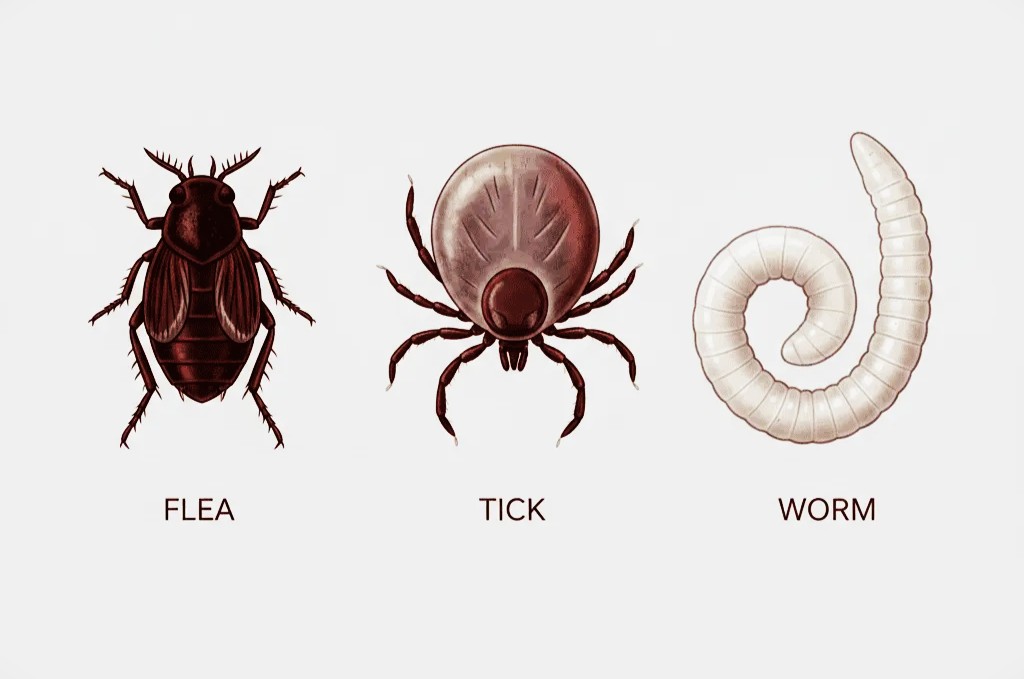
Pets can be affected by a variety of parasites, each posing unique health risks. Understanding the most common types is the first step in effective parasite control.
Fleas
Small, jumping insects that feed on your pet’s blood. Fleas can cause:
- Intense itching and scratching
- Allergic reactions or dermatitis
- Anemia in severe infestations
Ticks
Blood-sucking arachnids that can transmit diseases such as:
- Lyme disease
- Ehrlichiosis
- Rocky Mountain spotted fever
Worms
Internal parasites that affect digestion and overall health, including:
- Roundworms – common in puppies and kittens
- Tapeworms – often contracted from fleas
- Heartworms – transmitted via mosquitoes, affecting the heart and lungs
Symptoms of Parasite Infestations
Recognizing the signs of parasites early is crucial for protecting your pet’s health. Fleas, ticks, and worms can cause a range of symptoms, some visible and some internal. 🐶🐱
- Excessive Scratching or Biting: Often a sign of fleas or skin irritation caused by ticks.
- Hair Loss or Bald Spots: Common with flea allergies or severe infestations.
- Visible Parasites: Fleas on fur, ticks attached to skin, or worms in stool.
- Digestive Issues: Vomiting, diarrhea, or unexplained weight loss may indicate internal worms.
- Lethargy or Weakness: Blood loss from parasites or systemic infection can make pets tired or pale.
read more about Symptoms of Parasite Infestations by visit this site
Preventive Measures for Parasite Control

Preventing parasite infestations is far easier than treating them. A combination of medications, environmental care, and routine checks keeps your pets safe from fleas, ticks, and worms.
Topical Treatments and Medications
- Use monthly flea and tick preventives recommended by your vet.
- Administer deworming medications on schedule to protect against internal parasites.
Environmental Control
- Wash pet bedding and blankets regularly.
- Vacuum floors, carpets, and furniture to remove flea eggs and larvae.
- Treat outdoor areas with pet-safe insecticides if needed.
Routine Health Checks
- Inspect your pet’s fur and skin regularly for fleas or ticks.
- Schedule regular veterinary visits for early detection of internal parasites.
- Conduct stool tests to check for worms periodically.
EXTRA- YOU CAN READ ABOUT First Aid for pets BY VISIT MY BLOG
Natural and Home Remedies
In addition to medications, some natural methods can help reduce the risk of parasite infestations and support your pet’s health. These should always complement, not replace, vet-recommended treatments. 🌿🐾
In addition to medications, some natural methods can help reduce the risk of parasite infestations and support your pet’s health. These should always complement, not replace, vet-recommended treatments. 🌿🐾
- Regular Grooming: Brushing your pet removes fleas, dirt, and debris before infestations take hold.
- Herbal or Essential Oil Sprays: Pet-safe sprays with ingredients like lavender or neem can repel fleas and ticks. Always ensure oils are diluted and safe for pets.
- Clean Living Environment: Keep floors, bedding, and outdoor spaces dry and tidy to prevent parasite breeding.
- Diet Support: A healthy diet boosts your pet’s immune system, making them less susceptible to infections from worms and other parasites.
Common Mistakes to Avoid in Parasite Control
Even well-meaning pet owners can unintentionally leave their pets vulnerable to fleas, ticks, and worms. Avoid these mistakes to keep your furry friends safe and healthy. 🐶🐱
- Skipping Preventive Treatments: Missing doses of flea, tick, or deworming medication reduces their effectiveness.
- Using Human Products: Human insect repellents or medications can be toxic to pets.
- Neglecting Regular Checks: Failing to inspect your pet’s fur, skin, and stool can allow infestations to go unnoticed.
- Ignoring Environmental Cleaning: Parasites can survive in carpets, bedding, and outdoor areas if not cleaned or treated.
- Delaying Veterinary Consultation: Waiting too long to seek professional advice can worsen infestations or allow secondary infections.
Conclusion & Call-to-Action
Effective parasite control is essential for keeping your pets healthy, happy, and free from discomfort caused by fleas, ticks, and worms. By combining preventive treatments, routine checks, proper hygiene, and veterinary guidance, you can protect your furry friends year-round. 🐾💚
Take action today: schedule a vet check, set up a parasite prevention routine, and maintain a clean environment to ensure your pets stay safe and thriving.