

Table of Contents
Preventing common diseases in pets is one of the most important responsibilities of any pet owner. Dogs and cats are susceptible to illnesses that can range from minor infections to life-threatening conditions. By focusing on preventing common diseases through proper vaccinations, nutrition, hygiene, exercise, and regular veterinary care, you can ensure your furry friends stay healthy and happy. Early detection and proactive care not only reduce the risk of serious illness but also enhance your pet’s quality of life, helping them thrive for years to come.
Understanding Common Pet Diseases

Pets, like humans, can be susceptible to a variety of diseases, some of which can be severe or even fatal if left untreated. Knowing the most common illnesses in dogs and cats—and recognizing early warning signs—is the first step in effective disease prevention.
Common Dog Diseases
- Parvovirus: A highly contagious viral infection that affects puppies and unvaccinated dogs. Symptoms include vomiting, diarrhea, lethargy, and dehydration.
- Distemper: A serious viral disease affecting the respiratory, gastrointestinal, and nervous systems. Symptoms include coughing, nasal discharge, and seizures.
- Leptospirosis: A bacterial infection transmitted via water or wildlife, causing kidney and liver damage.
- Kennel Cough (Bordetella): Highly contagious respiratory infection, especially in dogs that interact with other pets.
Common Cat Diseases
- Feline Leukemia Virus (FeLV): A viral infection affecting the immune system, leading to increased vulnerability to other illnesses.
- Feline Immunodeficiency Virus (FIV): Similar to HIV in humans, weakening immunity over time.
- Upper Respiratory Infections: Common in kittens and multi-cat households, causing sneezing, nasal discharge, and fever.
- Panleukopenia (Feline Distemper): Highly contagious and often fatal in young or unvaccinated cats.
Why Early Detection Matters
- Spotting changes in appetite, behavior, or energy can help catch diseases before they progress.
- Regular vet checkups, combined with vaccinations and preventive care, are critical in reducing the risk of these common diseases.
EXTRA- YOU CAN READ ABOUT Vaccinations Guide BY VISIT MY BLOG
Vaccinations and Preventive Care
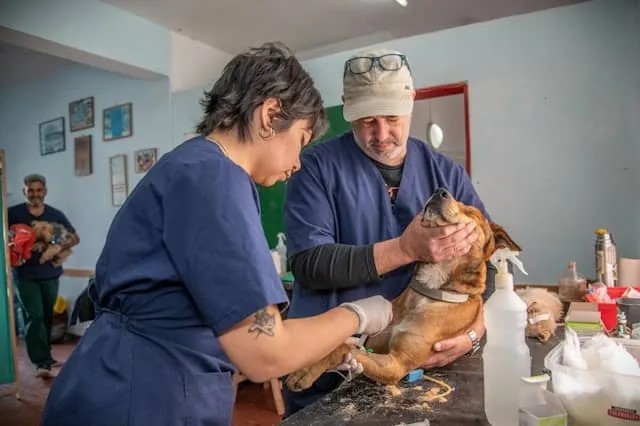
Vaccinations are one of the most effective ways to protect pets from life-threatening diseases. Alongside routine preventive care, they form the backbone of any strategy for preventing common diseases in dogs and cats.
💉🐾
Core Vaccines for Dogs and Cats
- Dogs: Distemper, Parvovirus, Hepatitis, Rabies
- Cats: Feline Viral Rhinotracheitis, Calicivirus, Panleukopenia (FVRCP), Rabies
Core vaccines are essential for all pets, regardless of lifestyle, because they protect against diseases that are widespread and potentially fatal.
Non-Core (Optional) Vaccines
Depending on your pet’s environment and lifestyle, your vet may recommend additional vaccines, such as:
- Dogs: Bordetella (Kennel Cough), Leptospirosis, Lyme Disease, Canine Influenza
- Cats: Feline Leukemia Virus (FeLV), Chlamydia, Bordetella
These vaccines are tailored to your pet’s risk factors, such as exposure to other animals, outdoor activity, or travel.
Preventive Care Beyond Vaccines
Vaccinations are most effective when paired with routine preventive care:
- Parasite control: Fleas, ticks, and heartworm prevention
- Dental care: Prevents infections that can compromise immunity
- Regular vet checkups: Early detection of illness before symptoms worsen
Scheduling and Record-Keeping
- Puppies and kittens need a series of vaccines at specific ages, followed by boosters.
- Adult pets require periodic boosters based on veterinarian guidance.
- Maintain a vaccination record to track due dates and avoid missed doses.
Proper Nutrition for Disease Prevention
A balanced diet is more than just keeping your pet full—it’s a powerful tool for preventing common diseases. Proper nutrition strengthens the immune system, supports organ function, and helps pets maintain a healthy weight, all of which reduce the risk of illness. 🥗🐶🐱
Key Nutritional Elements for Dogs and Cats
- High-Quality Protein: Supports muscle health and immune function. Look for named sources like chicken, beef, or fish.
- Essential Fatty Acids (Omega-3 & Omega-6): Promote healthy skin, shiny coat, and reduce inflammation.
- Vitamins and Minerals: Vitamins A, D, E, and minerals like zinc and selenium help immunity and overall health.
- Fiber: Supports digestion and prevents gastrointestinal issues.
Age-Specific Nutrition
- Puppies and Kittens: Require nutrient-dense food with higher protein and fat for growth.
- Adult Pets: Balanced diet to maintain healthy weight and energy levels.
- Senior Pets: Lower-calorie diets with joint-supporting supplements to prevent obesity and arthritis.
Hydration is Key
- Always provide fresh water.
- Dehydration can weaken the immune system and increase susceptibility to infections.
Foods to Avoid
- Chocolate, onions, garlic, grapes, raisins, alcohol, and caffeinated products.
- Table scraps or fatty human foods can lead to obesity, pancreatitis, or nutrient imbalance.
Tips for Maintaining a Healthy Diet
- Follow feeding guidelines based on weight and age.
- Avoid sudden diet changes; transition gradually to new food.
- Monitor your pet’s body condition score and adjust portions as needed.
you can read more about Proper Nutrition for Disease Prevention by visit this site
Hygiene and Grooming Practices

Maintaining proper hygiene and grooming is essential for preventing common diseases in pets. Clean pets are not only healthier, but they’re also less likely to develop skin infections, parasites, and other preventable illnesses. 🛁🐾
Daily Grooming Basics
- Brushing: Removes loose hair, dirt, and reduces shedding. Helps detect lumps, wounds, or parasites early.
- Eye and Ear Care: Wipe away discharge, check for redness or odor that may indicate infection.
- Nail Trimming: Prevents overgrowth, discomfort, and injuries to paws.
Bathing and Skin Care
- Dogs: Bathe according to coat type and activity level—usually every 4–6 weeks.
- Cats: Most cats groom themselves, but occasional baths help if they get dirty or have skin conditions.
- Shampoos: Use pet-safe, pH-balanced shampoos to avoid skin irritation.
Dental Hygiene
- Brush teeth regularly or use dental chews to prevent plaque buildup, gum disease, and systemic infections.
Parasite Prevention
- Regularly check for fleas, ticks, and mites.
- Use preventive treatments for heartworm, fleas, and ticks as recommended by a veterinarian.
Safe Environment Practices
- Clean litter boxes daily and sanitize feeding bowls to reduce exposure to bacteria and parasites.
- Wash pet bedding and toys regularly.
Exercise, Socialization, and Safe Environment

Regular exercise, proper socialization, and a safe living environment play a vital role in preventing common diseases in pets. Active, well-stimulated pets are not only healthier physically but also mentally, reducing stress-related illnesses.
Regular exercise, proper socialization, and a safe living environment play a vital role in preventing common diseases in pets. Active, well-stimulated pets are not only healthier physically but also mentally, reducing stress-related illnesses. 🐕🐈🌿
The Importance of Exercise
- Keeps pets at a healthy weight, reducing obesity-related illnesses like diabetes and joint problems.
- Improves cardiovascular health and strengthens muscles and joints.
- Helps prevent behavioral issues like anxiety, aggression, or destructive habits caused by boredom.
Tips:
- Dogs: Daily walks, fetch, or agility games depending on breed and energy levels.
- Cats: Interactive toys, climbing trees, or supervised outdoor time to stimulate activity.
Socialization
- Early exposure to other animals, people, and environments reduces stress and fear-based behaviors.
- Helps prevent behavioral illnesses and improves adaptability in new situations.
Tips:
- Introduce pets gradually to new experiences.
- Positive reinforcement during social interactions builds confidence.
Safe Living Environment
- Pet-proof your home: remove toxic plants, chemicals, and choking hazards.
- Provide clean bedding, fresh water, and a consistent routine.
- Avoid areas where pets may encounter contagious diseases or parasites.
Key Takeaway:
A safe and stimulating environment, combined with regular exercise and socialization, significantly lowers the risk of both physical and behavioral illnesses.
Regular Vet Visits and Health Monitoring
Routine veterinary care is a cornerstone of preventing common diseases in pets. Regular checkups allow early detection of illnesses, timely vaccinations, and guidance on nutrition, grooming, and lifestyle, ensuring your pet stays healthy and happy. 🩺🐶🐱
Why Regular Vet Visits Matter
- Detect hidden or early-stage illnesses before they become serious.
- Update vaccinations and administer booster shots as needed.
- Monitor weight, dental health, and organ function.
- Provide advice on diet, exercise, and preventive care specific to your pet’s age and breed.
Health Monitoring at Home
- Observe behavior: Changes in appetite, energy, or mood may indicate health issues.
- Check body condition: Monitor weight, coat quality, and skin health regularly.
- Watch for signs of illness: Vomiting, diarrhea, coughing, sneezing, or unusual lumps should prompt a vet visit.
Senior Pets
- Older pets need more frequent checkups to manage age-related conditions such as arthritis, kidney disease, or heart problems.
- Blood work and urine tests help track organ function and detect diseases early.
Tips for Successful Vet Visits
- Keep a health journal to track symptoms, medications, and vaccinations.
- Prepare questions beforehand to get the most out of each visit.
- Ensure pets are comfortable and calm during visits to reduce stress.
Image Idea: Veterinarian examining a dog and a cat on the exam table
Alt Text: “Routine veterinary checkup for early detection and prevention of pet diseases”
Common Mistakes Pet Owners Make
Even well-intentioned pet owners can unknowingly increase their pets’ risk of illness. Avoiding common mistakes is crucial for preventing common diseases in dogs and cats. ⚠️🐾
1. Skipping Vaccinations or Boosters
- Delaying or skipping core vaccines leaves pets vulnerable to preventable, potentially deadly diseases like parvovirus, distemper, or feline leukemia.
- Always follow your vet’s recommended vaccination schedule.
2. Poor Nutrition
- Feeding low-quality food, overfeeding, or giving harmful human foods can weaken immunity and cause obesity, diabetes, or gastrointestinal issues.
- Stick to age-appropriate, balanced diets and monitor portion sizes.
3. Neglecting Grooming and Hygiene
- Skipping regular brushing, bathing, or dental care can lead to skin infections, oral diseases, and parasite infestations.
- Regular grooming also helps detect early signs of illness.
4. Lack of Exercise and Mental Stimulation
- Sedentary pets are more prone to obesity, joint problems, and behavioral stress.
- Engage pets with daily exercise, play, and environmental enrichment.
5. Ignoring Early Warning Signs
- Changes in appetite, energy, or behavior are often the first signs of illness.
- Waiting too long to consult a veterinarian can make treatment more difficult and costly.
6. Unsafe Environments
- Exposure to toxic plants, chemicals, or contaminated areas can cause poisoning or infections.
- Ensure pets live in a safe, clean, and controlled environment.
Image Idea: Owner making common pet care mistakes (overfeeding, ignoring grooming)
Alt Text: “Common pet care mistakes that increase risk of diseases in dogs and cats”
Conclusion & Call-to-Action
Preventing common diseases in pets requires a proactive, well-rounded approach. From vaccinations and proper nutrition to grooming, exercise, and regular vet visits, each aspect of care plays a critical role in keeping your furry companions healthy and happy. 🐶🐱💚
By understanding common illnesses, avoiding frequent mistakes, and maintaining a safe, stimulating environment, you can ensure your pet enjoys a long, vibrant life. Remember, prevention is always better than treatment—early action today can save your pet from serious health issues tomorrow.
Take Action Today:
- Schedule routine vet checkups and keep vaccinations up to date.
- Provide a balanced diet and clean, safe living environment.
- Maintain a regular grooming and exercise routine.
- Watch for early signs of illness and act promptly.
Protect your pet’s health now to enjoy many joyful years together. Your furry friend deserves it!