

Table of Contents
Pets are more than just companions—they’re family. Just like humans, they are affected by seasonal changes, and heat, rain, and cold can pose serious health risks if not managed properly. From heatstroke in the summer to fungal infections during rainy months and hypothermia in winter, each season brings unique challenges for pet owners. Implementing seasonal health care routines ensures your furry friends stay safe, comfortable, and happy all year long. 🐶🐱🌦️
Summer and Heat Care
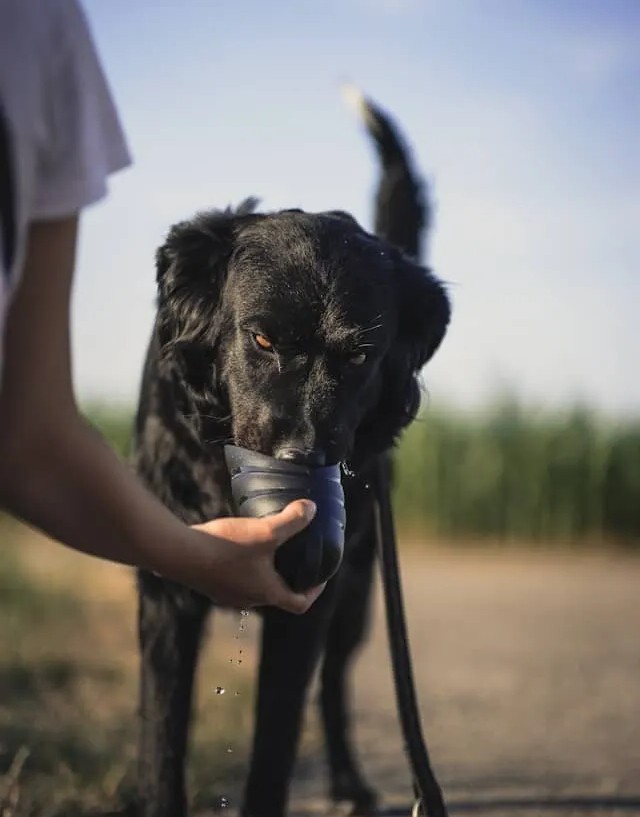
Hot weather can be dangerous for pets, especially dogs and short-haired breeds. Seasonal health care during summer is crucial to prevent dehydration, heatstroke, and other heat-related illnesses.
Signs of Heatstroke in Pets
- Excessive panting and drooling
- Lethargy or weakness
- Vomiting or diarrhea
- Rapid heartbeat or uncoordinated movements
If you notice these symptoms, move your pet to a cool area immediately and offer water. Seek veterinary help if symptoms persist.
Preventive Measures for Hot Weather
- Avoid peak sun hours: Walk pets early in the morning or late in the evening.
- Provide shade and water: Always keep fresh water accessible indoors and outdoors.
- Cooling tools: Use cooling mats, fans, or air-conditioned areas.
- Protect paws: Asphalt and sand can burn paws—walk on grass when possible.
you can read more about Summer and Heat Care by visit this site
Rainy Season Care

The rainy season brings its own set of challenges for pets. Wet fur, muddy paws, and damp environments can increase the risk of skin infections, colds, and fungal issues. Proper seasonal health care during rain keeps your pets healthy and comfortable. 🌧️🐶🐱
Common Health Concerns in Rainy Weather
- Skin infections: Prolonged damp fur can lead to fungal or bacterial infections.
- Colds and respiratory issues: Chilly, wet conditions can trigger sneezing, coughing, or lethargy.
- Slippery surfaces: Wet floors can cause slips, sprains, or injuries.
Protective Tips During Rainy Seasons
- Dry pets thoroughly: After walks or baths, towel-dry or use a pet-friendly dryer.
- Use rain gear: Waterproof jackets and boots protect dogs from wet fur and muddy paws.
- Keep living spaces dry: Clean and ventilate damp areas to prevent fungal growth.
- Avoid puddles and stagnant water: These can harbor bacteria or parasites.
Cold Weather Care

Cold weather can be harsh on pets, especially small breeds, short-haired dogs, and senior pets. Proper seasonal health care ensures they stay warm, healthy, and active during winter months.
Signs of Cold-Related Stress
- Shivering or trembling
- Lethargy or reluctance to move
- Pale or blue gums
- Curling up excessively or hiding
Preventive Measures for Winter
- Warm bedding: Provide cozy blankets, heated pads, or indoor shelters.
- Limit outdoor exposure: Avoid long walks in freezing temperatures.
- Protective clothing: Dress small or short-haired pets in sweaters or coats.
- Paw care: Check for ice, salt, or frostbite; use pet-safe paw balms.
- Maintain proper nutrition: Slightly increase calories for active pets to maintain energy.
General Tips for Year-Round Seasonal Health
Maintaining your pet’s well-being throughout the year requires consistent care beyond just season-specific precautions. By combining preventive measures, nutrition, and monitoring, you can keep your pets happy, healthy, and safe no matter the weather. 🐶🐱🌦️
Routine Vet Check-Ups
- Schedule regular wellness exams to catch seasonal health issues early.
- Keep vaccinations, deworming, and flea/tick treatments up to date.
Balanced Nutrition
- Adjust diets according to activity levels and seasonal energy needs.
- Ensure fresh water is always available, even in winter when pets may drink less.
Exercise and Mental Stimulation
- Maintain regular walks, indoor play, and enrichment activities year-round.
- Adapt exercise routines for weather conditions: shorter walks in heat or cold, indoor games during rain.
Hygiene and Grooming
- Regular grooming prevents skin issues in wet or cold seasons.
- Check paws, ears, and coats for injuries or infections after outdoor activities.
Safe and Comfortable Living Environment
- Provide shaded areas in summer, dry spaces during rain, and warm shelters in winter.
- Pet-proof homes to prevent accidents in slippery or extreme weather conditions.
EXREA- YOU CAN READ ABOUT First Aid for pets BY VISIT MY BLOG
Conclusion & Call-to-Action
Seasonal changes can significantly impact your pets’ health, but with proper seasonal health care, you can keep them safe, happy, and thriving all year. From preventing heatstroke in summer, protecting from rain-related infections, to keeping them warm in winter, each season requires attention and care. 🌞🌧❄️
Call-to-Action:
Start implementing seasonal care routines today! Ensure your pets have adequate hydration, proper nutrition, safe shelter, and regular vet check-ups. Prepare for each season in advance and your furry companions will thank you with their health, energy, and endless affection.